
How to Make Dog Food in Different Shapes
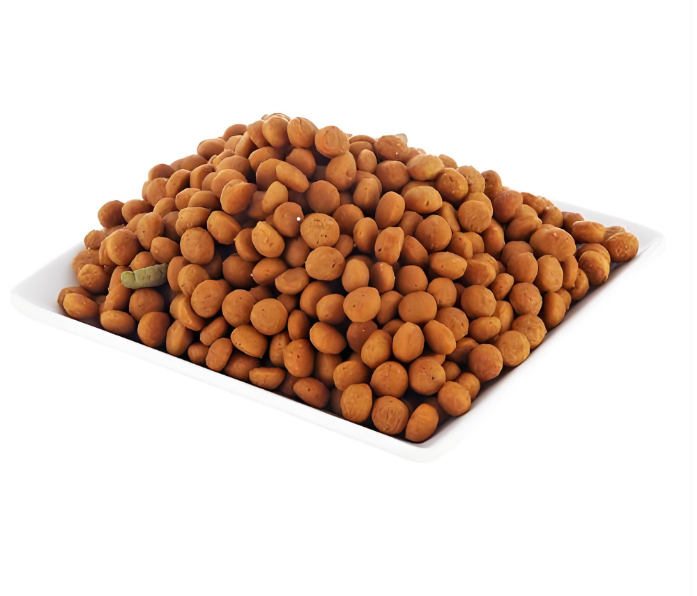
Making homemade dog food is a rewarding way to ensure your furry friend eats healthily. dog food machinery One fun twist is shaping the food into different forms—like bones, stars, or simple biscuits. Here’s how to do it, step by step. Ingredients You’ll Need Start with dog-safe ingredients. A basic recipe might include: Step 1: Make the Dough Combine flour, peanut butter, pumpkin, and egg in a bowl. Mix until crumbly. Add water, one tablespoon at a time, until a stiff dough forms. Knead for 2–3 minutes. Step 2: Roll It Out Dust your counter with flour. Roll the dough to about 1/4-inch thickness. Thinner dough = crispier treats; thicker […]
How to Control Temperature in a Twin-Screw Extruder: A Comprehensive Guide
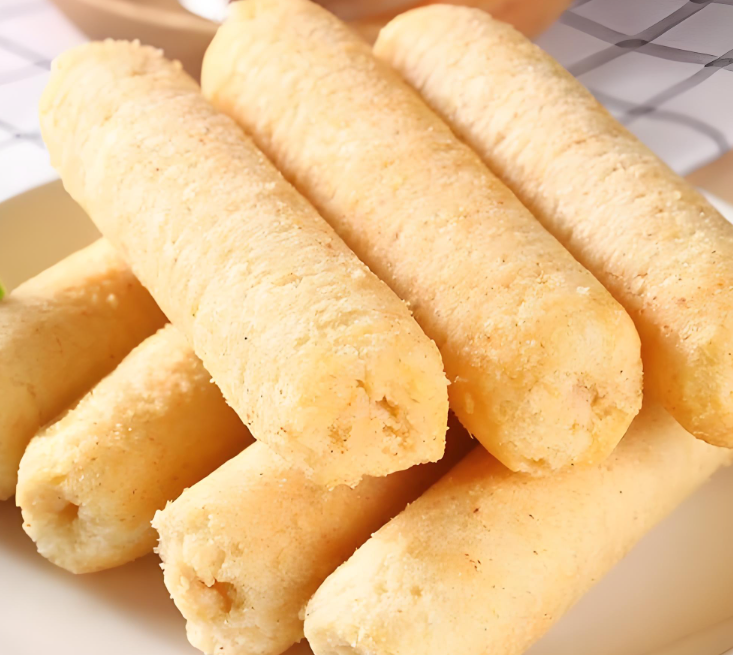
Temperature control is arguably the most critical operational parameter in twin-screw extrusion. It directly influences melt viscosity, reaction kinetics (in reactive extrusion), product quality, and even equipment longevity. Poor temperature control can lead to material degradation, inconsistent output, excessive torque consumption, and accelerated screw and barrel wear . This guide provides a systematic approach to understanding and controlling temperature in a co-rotating, intermeshing twin-screw extruder (TSE), covering barrel zone profiling, screw design considerations, and advanced control strategies. Part 1: Understanding the Fundamentals The Two Sources of Energy In a TSE, the energy that melts and heats the polymer comes from two distinct sources : Key Insight: Many operators over-rely on […]
How to Clean a Twin-Screw Extruder: A Comprehensive Guide

Regular cleaning of a twin-screw extruder is essential for maintaining product quality, preventing cross-contamination, and extending equipment lifespan. Puffed snack food extruder Residual materials left in the screw elements, barrel, and die head can harden, degrade, and cause abrasion or even catastrophic equipment failure . This guide provides a systematic approach to cleaning twin-screw extruders, covering both purge-based methods and full disassembly cleaning. Safety First Before beginning any cleaning procedure, observe the following safety precautions: Cleaning Method 1: Purge-Based Cleaning (Without Disassembly) This method is suitable for routine color or material changes when the screw assembly does not need to be removed from the barrel. Step 1: Prepare the Extruder […]
Crumb by Crumb: A Guide to Breadcrumb Types and Their Culinary Characters

Not all breadcrumbs are created equal. While they often play a supporting role—providing crunch, binding force, or a golden crust—the type of crumb you choose can make or break a dish. bread crumb machine From the fine, sandy texture of panko to the rustic charm of homemade crumbs, each variety has a specific purpose. Here is a breakdown of the four major types of breadcrumbs and what makes each one unique. 1. Panko (Japanese Breadcrumbs) Origin: Japan (the name means “bread flour”).Production: Unlike standard crumbs made from baked bread, panko is made by passing an electrical current through a special bread dough, which cooks it from the inside out without […]
The Truth Behind the Kibble: Unveiling the Processing Techniques of Commercial Cat Food

Every day, millions of cat owners pour a scoop of dry, brown kibble into a bowl, trusting that it contains everything their feline needs. But have you ever wondered how those uniform, crunchy morsels are actually made? The journey from raw ingredients to finished bag is a fascinating, highly industrialised process that significantly impacts the nutritional value of the final product. Let’s pull back the curtain on the five main stages of cat food processing. 1. The Raw Ingredient Reception It all begins at a rendering or processing plant. Contrary to the “whole chicken breast” image on premium brands, most kibble starts with rendered meat meals (chicken meal, fish meal, […]
Complete Kurkure Production Line Configuration: A Technical Guide

Kurkure is a popular corn-based extruded snack known for its unique curly shape, crispy texture, and savory flavor coating. This guide provides a comprehensive overview of the complete production line configuration, from raw material handling to final packaging, suitable for small to industrial-scale manufacturing. 1. Overview of Kurkure Production Process Kurkure belongs to the direct-expanded snack category. Unlike traditional potato chips made from slicing, Kurkure is produced through extrusion technology. The process can be summarized as: Raw Material Mixing → Extrusion (with die-forming) → Cutting → Frying or Baking → De-oiling → Flavor Coating → Cooling → Packaging The entire line can be configured as either a batch-type system for […]
How to Improve the Palatability of Dog Food: A Technical Guide
Palatability is the measure of how eagerly a dog eats a food and how much they prefer it over another option. In simple terms: if the dog doesn’t eat it, nothing else matters. While nutrition keeps a dog healthy, palatability ensures they consume that nutrition. This article focuses on dry extruded kibble, but many principles apply to wet/canned foods. 1. Start with Raw Ingredients – Flavor Begins at Receiving Poor-quality raw materials cannot be fixed by coatings later. 2. Optimize Kibble Structure – The Crunch Factor Dogs are omnivores but descend from canids that tore and crunched. Texture directly influences preference. 3. Master the Extrusion Process – Lock in Aroma […]
Standard Operating Guide for a Dog Food Processing Facility
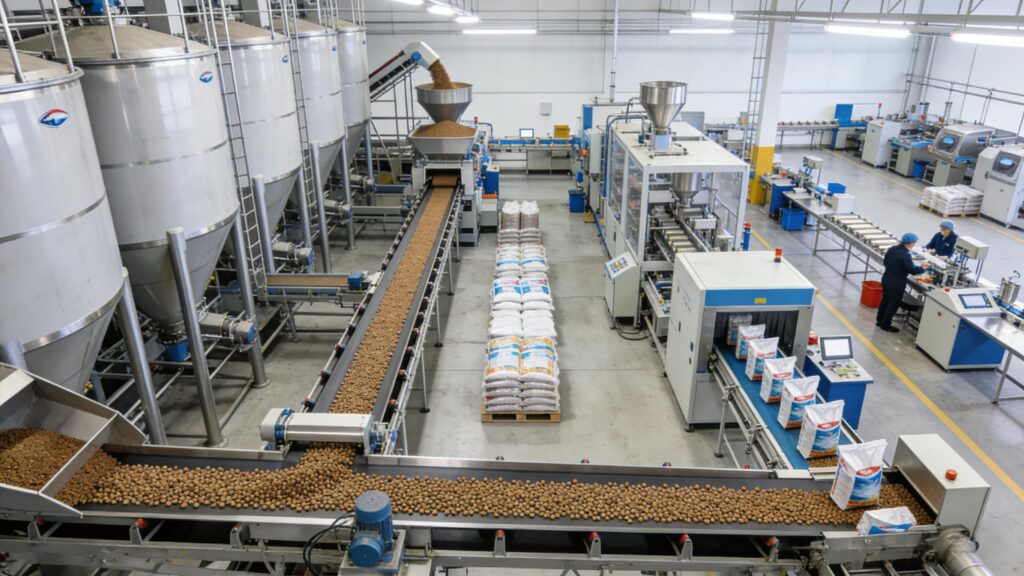
This guide outlines the essential procedures for producing high-quality, safe, and nutritionally balanced dry dog food (kibble) using an extrusion-based system. Adherence to these protocols ensures product consistency, regulatory compliance, and pet safety. 1. Ingredient Receiving and Storage 2. Batching and Mixing 3. Extrusion – The Heart of Kibble Production 4. Drying 5. Coating 6. Quality Assurance (QA) Checks Every batch must pass the following tests before packaging: Parameter Acceptable Range Test Method Frequency Moisture 8–10% Moisture analyzer Every 30 min Density 350–450 g/L Volumeter Every 2 hours Fat 10–14% (dry matter basis) Ether extraction Per shift Protein 22–30% (dry matter basis) Kjeldahl Per shift Hardness 20–30 N (Newton) Texture […]
The Manufacturing Process of Kurkure: From Corn Grits to Crunchy Snack
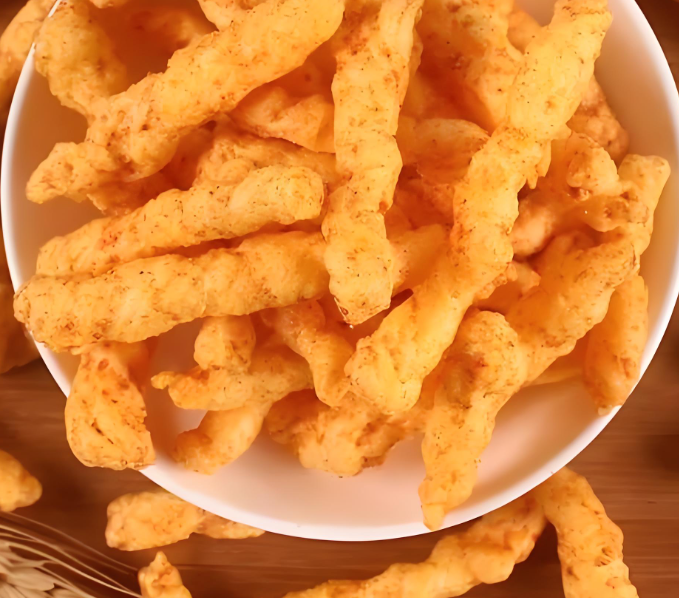
Kurkure, a popular brand of savory snack known for its unique curly shape and crunchy texture, is a staple in many countries, particularly in India. kurkure making machine price Often compared to Cheetos or Nik Naks, its distinct taste and mouthfeel are achieved through a specialized food processing technique known as extrusion. While the specific recipes are proprietary, the fundamental manufacturing process involves a combination of mixing, high-pressure cooking, shaping, frying, and flavoring . 1. Raw Material Preparation The primary ingredient for Kurkure is corn grits (also known as maize grits). Unlike corn flour, which is too fine, corn grits provide the necessary granular structure for the final product’s crispiness […]
The Powerhouse of Modern Food Processing: An Introduction to the Twin-Screw Extruder
In the landscape of modern food manufacturing, few machines offer the versatility and efficiency of the twin-screw extruder. If you have ever enjoyed a bowl of puffed breakfast cereal, a crispy snack pellet, or a modern plant-based burger, you have witnessed the output of this remarkable piece of engineering. Twin-screw extruders are the backbone of numerous food production lines, transforming raw powders and granules into structured, cooked, and flavorful finished products in a matter of seconds . What is a Twin-Screw Extruder? At its core, a twin-screw extruder is a continuous processing machine that cooks, shapes, and texturizes food ingredients. It consists of two intermeshing, rotating screws housed within a […]
The Crunch Code: Critical Considerations for Manufacturing High-Quality Kurkure
Kurkure, the iconic curved snack known for its fiery flavor and distinct crispy texture, is a marvel of food engineering. Unlike simple potato chips, Kurkure is an extruded snack—created by forcing a corn-based dough through a die under extreme heat and pressure . Producing this snack at scale requires a delicate balance of chemistry, mechanics, and quality control. Here are the essential issues manufacturers must watch for to avoid producing soggy, burnt, or bland products. 1. Raw Material Quality: Starting with the Right Grit The foundation of Kurkure is primarily corn grits. kurkure making machine price The quality and particle size of this raw material are the first major hurdles. […]
How to Choose Equipment for Producing Extruded Snack Foods

Selecting the right equipment for extruded snack production is critical to ensuring product quality, production efficiency, and long-term profitability. Extruded snacks—such as cheese balls, corn puffs, and shaped cereal snacks—rely on a combination of heat, pressure, and mechanical shear to cook and expand raw materials. Below is a practical guide to choosing equipment for each stage of the process. 1. Understand Your Product Requirements Before purchasing any machinery, define: 2. Core Equipment: The Extruder The extruder is the heart of the line. Two main types are used: Key parameters to evaluate: 3. Pre-conditioning and Material Handling 4. Drying and Post-Extrusion Processing Extruded snacks typically contain 20–25% moisture after extrusion and […]
 Japanese
  English
  Russian
  Spanish
  Italian
  Arabic
  Portuguese
  German
  French
  Moroccan Arabic
  Persian
  Belarusian