
How to Produce Puffed Foods in Diverse Shapes: A Comprehensive Guide
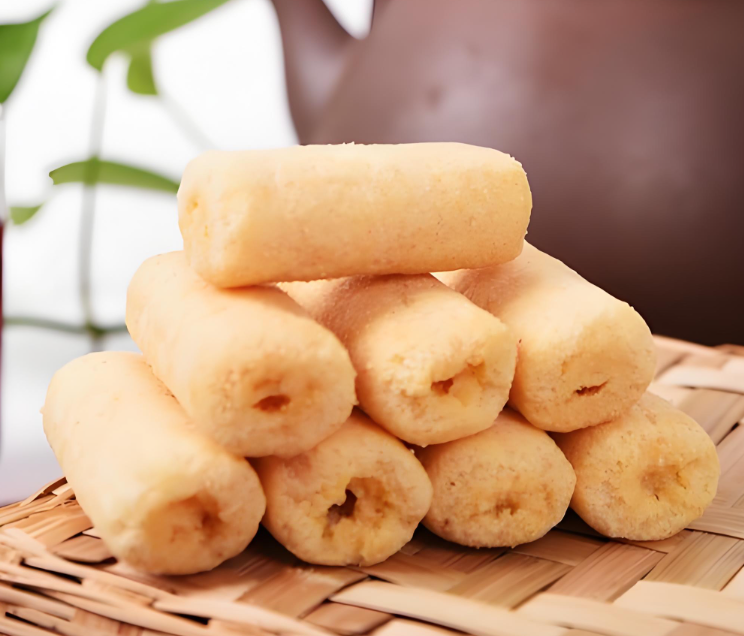
Abstract The production of puffed snacks in diverse shapes represents one of the most versatile applications of modern food extrusion technology. This article provides a comprehensive overview of the processing methods used to manufacture puffed foods with varied forms—from simple balls and rings to complex animal shapes and alphabet letters. The central principle involves extrusion cooking, where starch-based materials are subjected to heat, pressure, and mechanical shear, then forced through shaped dies that determine the final product form. Key factors influencing shape diversity include die design, extrusion parameters, cutting mechanisms, and raw material selection. 1. Introduction Puffed snacks are popular consumer products characterized by their porous, crispy, and light texture, […]
The Manufacturing Technology of Breakfast Cereals: From Grain to Bowl

Abstract Breakfast cereals, particularly ready-to-eat (RTE) varieties, represent one of the most extensively processed food categories in the modern food industry. Produced primarily from corn, wheat, oats, and rice, these convenient products undergo a series of carefully controlled unit operations that transform raw grains into shelf-stable, crispy, and flavorful foods suitable for direct consumption . This article provides a comprehensive overview of breakfast cereal manufacturing technology, examining the fundamental processing principles, key unit operations, and the diverse production pathways that yield the wide array of cereal forms available today—from flaked and puffed to shredded and extruded products. 1. Introduction Ready-to-eat breakfast cereals originated in the United States in the latter […]
Processing Technology of Instant Rice: From Grain to Convenience
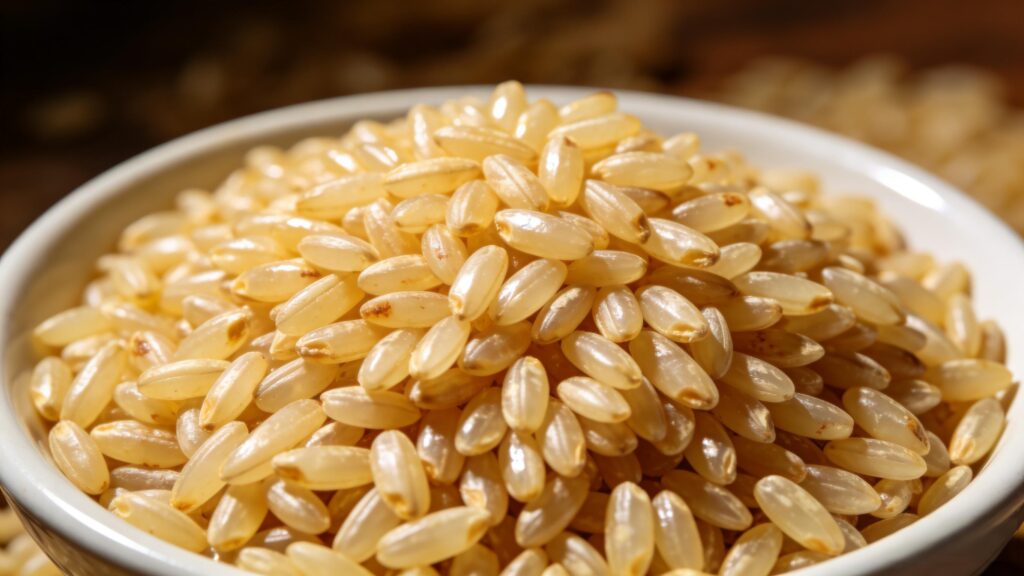
Abstract Instant rice, also known as pre-cooked or quick-cooking rice, is a convenience food designed to significantly reduce preparation time while delivering a product that closely resembles freshly cooked rice. The global ready-meal market continues to expand, with instant rice gaining prominence across tourism, military, and fast-food sectors due to its minimal preparation time of 3 to 5 minutes and extended shelf life . This article provides a comprehensive overview of the processing technology of instant rice, examining the fundamental principles, key processing steps, and emerging innovations that shape product quality. 1. Introduction The transformation of raw rice into an instant product involves substantial molecular reorganization during pre-cooking and drying […]
The Adhesion Equation: Advanced Techniques for Seasoning Puffed Snacks

IntroductionPuffed snacks—extruded corn curls, rice crisps, or air-popped pellets—present a unique culinary paradox. Their expanded, porous structure makes them delightfully light and crispy, yet that same cellular sponge-like matrix actively repels dry powdered seasoning. Unlike fried potato chips, which have a flat, oily surface for seasonings to cling to, puffed snacks are hydrophilic on the inside and hydrophobic on the outside. Mastering seasoning application is therefore not a matter of “sprinkling,” but a precise science of electrostatic attraction, oil delivery systems, and particle size engineering. The Fundamental Challenge: Static vs. SurfacePuffed snacks are created through high-temperature, high-pressure extrusion. As the moisture rapidly expands and escapes, it leaves behind a network […]
The Dehydration Imperative: A Technical Guide to Baking Moisture Out of Corn Chips
IntroductionCorn chips, whether thick-cut restaurant-style totopos or thin, crispy snack varieties, are fundamentally a study in starch and water dynamics. While frying is the most common method for achieving crispiness, baking (or dry roasting) serves a dual purpose: it can resuscitate stale chips by driving out absorbed ambient moisture, or it can be used as the final, critical drying stage in a baked (rather than fried) chip production process. The key to success lies not in high heat, but in low, slow, and even dehydration. The Science of Moisture in CornCorn masa (dough) contains gelatinized starches. When exposed to air, these starches are hygroscopic, meaning they readily absorb water vapor […]
Painting with Starch: The Art and Science of Multi-Colored Puffed Snacks
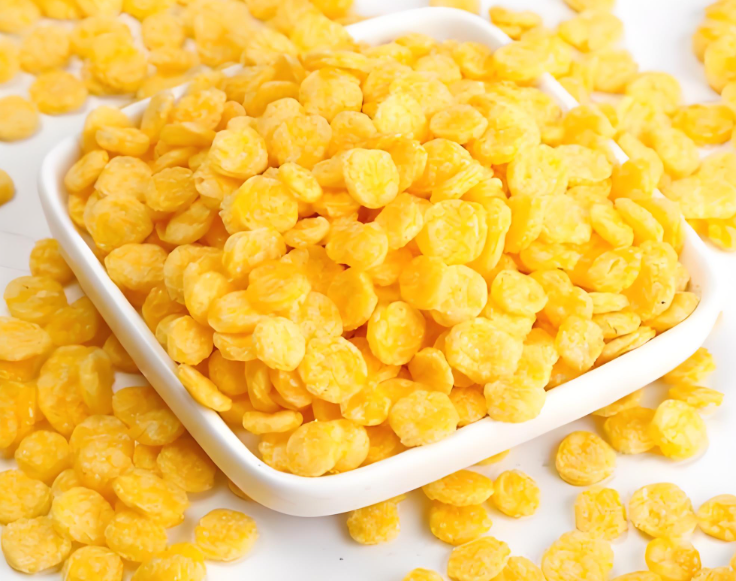
The modern snack aisle is a vibrant canvas. From brilliant red cheese puffs to deep green vegetable sticks and sunny yellow corn curls, color is a primary driver of consumer appeal. However, the process of creating stable, vivid colors in puffed snacks—particularly those made via high-temperature extrusion—is a formidable challenge in food engineering. This article explores the core strategies, colorant technologies, and process controls that allow manufacturers to produce a rainbow of puffed products. The Central Challenge: Heat, Shear, and Stability The extrusion process that puffs a snack is a hostile environment for most colorants. The combination of high temperature (often 130-180°C), intense mechanical shear, and pressure can degrade many […]
The Science of Crispness: How Puffed Snack Foods Are Made
The journey from raw grain to a light, crispy puff is one of food processing’s most fascinating transformations. Puffed snacks owe their characteristic airy texture to the rapid expansion of superheated steam. This expansion is achieved through two primary industrial methods—extrusion cooking and indirect puffing—each governed by the same fundamental principles of starch science and thermodynamics. The Core Principle: Gelatinization and the “Steam Explosion” At the heart of every puffed snack is starch gelatinization. Under heat and moisture, the tight, crystalline structure of raw starch granules breaks down, absorbing water and forming a plastic, gel-like mass. When this gelatinized dough is suddenly released from a high-pressure environment into normal atmospheric […]
Beyond the Crunch: The Core Processes of Nutritional Fortification in Puffed Corn Flakes
The modern breakfast cereal aisle is a testament to nutritional science. While the base of a corn flake is a simple grain, its final form is often a meticulously engineered delivery system for vitamins, minerals, and even probiotics. The process of fortifying puffed breakfast cereals is a delicate balancing act, requiring food technologists to navigate the challenges of heat, pressure, and shelf life to ensure that the nutrients added are not only present but also bioavailable and stable. This article explores the core strategies and processes for adding nutritional elements to puffed corn flakes. 1. The “Why”: Addressing Losses and Consumer Needs The primary driver of fortification is to correct […]
The Art and Science of the Flake: Core Processes in Breakfast Cereal Manufacturing
The humble corn flake is a breakfast staple, a perfect paradox of simplicity and complexity. While the ingredient list is short—primarily corn, malt, sugar, and salt—the journey from a hard kernel of maize to a crispy, golden flake is a masterclass in food engineering. It is a precise ballet of cooking, milling, forming, toasting, and coating. This article dissects the core (process flow) that transforms raw grain into the iconic breakfast cereal. 1. Raw Material Receiving and Cleaning The process begins with the arrival of dent corn, a variety specifically chosen for its high starch content and mild flavor. Upon delivery, the corn undergoes rigorous cleaning to remove foreign materials: […]
The Manufacturing Technology of Fortified Rice
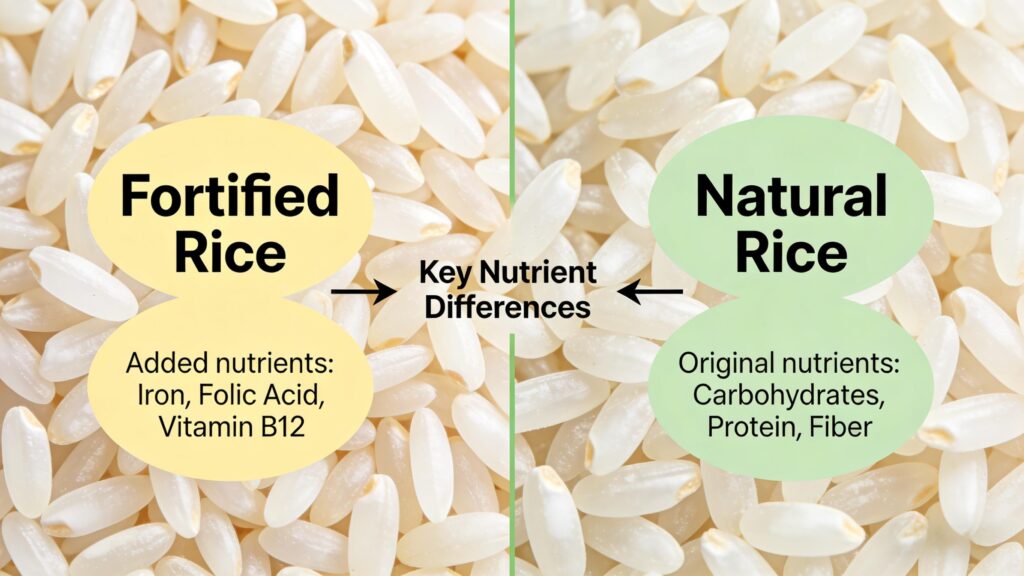
Introduction Fortified rice, also known as enhanced, artificial, or nutritious rice, is a food product designed to combat micronutrient malnutrition (often called “hidden hunger”). Billions of people rely on rice as a dietary staple, but milled white rice is poor in essential micronutrients like iron, zinc, folic acid, and vitamin A. Fortified rice aims to address this deficiency by adding these lost or missing nutrients back into the grain. Unlike traditional rice, which is simply milled and polished, fortified rice is an engineered product. It is typically produced by creating rice-like kernels from rice flour dough that has been enriched with a precise blend of vitamins and minerals. These synthetic […]
The Art of the Pillow: How Filled Crispy Snacks Are Made
If you have ever bitten into a crunchy, corn-based pillow and felt the sweet or savory cream burst onto your tongue, you have experienced a marvel of food engineering. Core filled snack food machine Unlike a standard cheese puff, which is homogenous throughout, the “Crispy Pillow” (or filled corn snack) requires a dance between two different textures and two different states of matter at the exact same moment. Here is the step-by-step process of bringing this dual-texture snack to life. Step 1: The Foundation (The Dry Mix) The production line begins with two separate recipes: one for the Shell and one for the Filling. Step 2: The “Double Barrel” (Co-Extrusion […]
The Alchemy of Excellence: How High-End Dog Food Is Crafted

In an era where pet owners view their dogs not just as companions, but as family members, the demand for premium nutrition has transcended the standard “fillers and chicken meal” model. High-end dog food is no longer a commodity; it is a crafted nutritional protocol. But what separates a $20 bag of generic kibble from a $120 bag of human-grade artisan fare? The answer lies not just in the ingredients, but in the philosophy, the sourcing, and the meticulous engineering of the process. Phase 1: Sourcing the Blueprint (Ingredients) The journey begins long before the factory floor. Dog food making machine Where a standard manufacturer might purchase “meat meal” from […]
 Japanese
  English
  Russian
  Spanish
  Italian
  Arabic
  Portuguese
  German
  French
  Moroccan Arabic
  Persian
  Belarusian