
Industrial Processing Technology for Ready-to-Eat Breakfast Cereals: A Comprehensive Guide
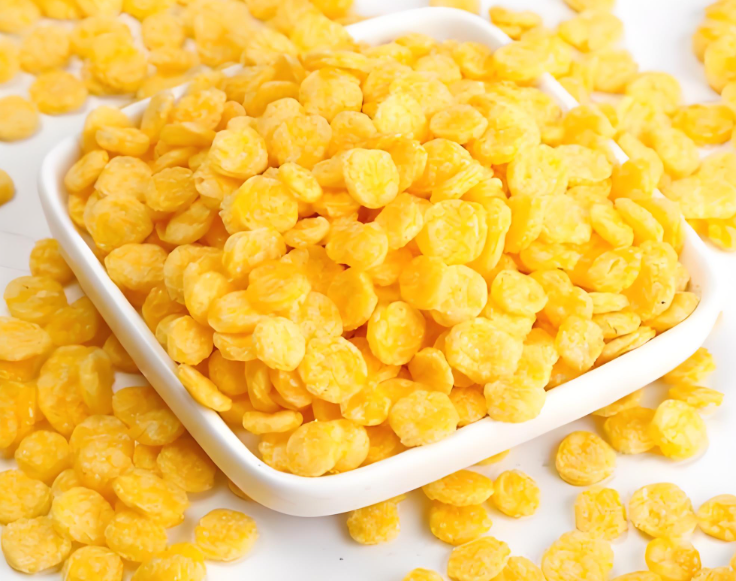
1. Introduction to Breakfast Cereal Technology 1.1 Historical Context and Market Drivers The commercial breakfast cereal industry originated in the late 19th century with the Kellogg brothers’ development of wheat flakes. Today, the global RTE cereal market exceeds $40 billion USD annually, driven by convenience, fortification, and taste variety. The core processing challenge remains: transforming raw grains into a crisp, shelf-stable product that retains texture in milk. 1.2 Classification of Commercial Cereals From a process engineering perspective, cereals fall into five categories: 1.3 Overall Process Flow for a Flaked Cereal (Corn Flakes) While this document covers all types, we will anchor the main description to corn flakes—the most voluminous product […]
Versatile Applications of Soy Protein: A Comprehensive Overview

Soy protein, derived from the soybean (Glycine max), has emerged as one of the most versatile and widely used plant-based ingredients in the modern food and industrial sectors. soya chunk making machine Recognized as a high-quality, complete protein containing all essential amino acids, soy protein offers exceptional functional properties that make it indispensable across numerous applications. This article provides a comprehensive overview of the diverse uses of soy protein in food products, animal nutrition, and industrial applications. 1. Classification of Soy Protein Products Before exploring their applications, it is essential to understand the main categories of soy protein ingredients. Based on protein content and processing methods, soy protein products are […]
How to Produce High-Quality Fortified Rice
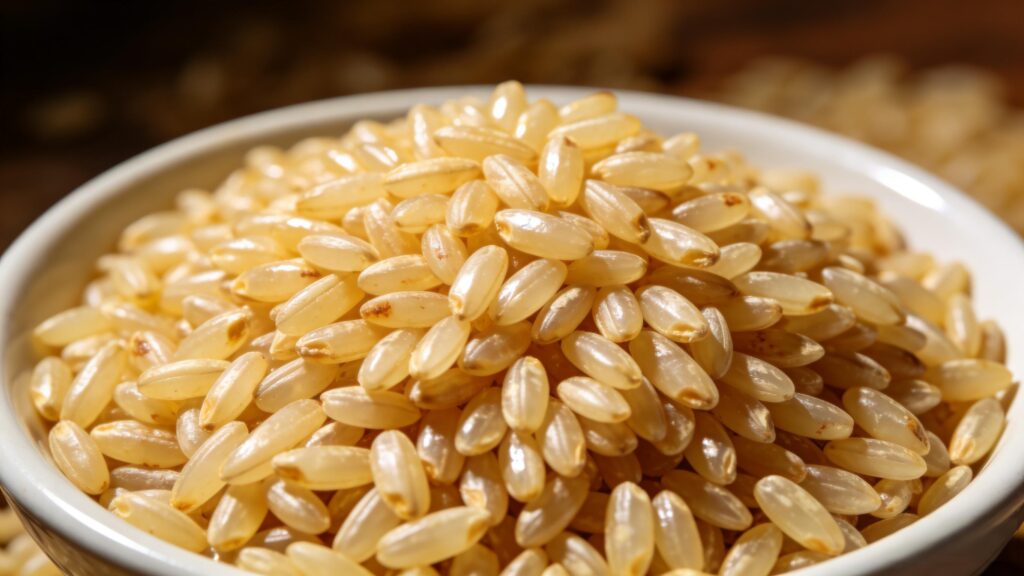
IntroductionFortified rice is an innovative food technology designed to combat micronutrient malnutrition. fortified rice machinery Unlike simple coating methods, high-quality fortified rice involves producing Fortified Rice Kernels (FRKs) that mimic natural rice in appearance, texture, taste, and cooking behavior. The gold standard for producing such premium quality is extrusion technology. This article outlines the critical steps and parameters required to manufacture high-quality FRKs. 1. Selecting Premium Raw Materials Quality begins with ingredients. 2. Precise Dosing and Mixing Inconsistent mixing leads to “streaking” (visible lines of nutrients) or white, unfortified patches. 3. Water Conditioning and Tempering Dry flour does not extrude well. The flour-water mixture must be tempered. 4. Extrusion: The […]
Processing Technology of Nutritious Rice
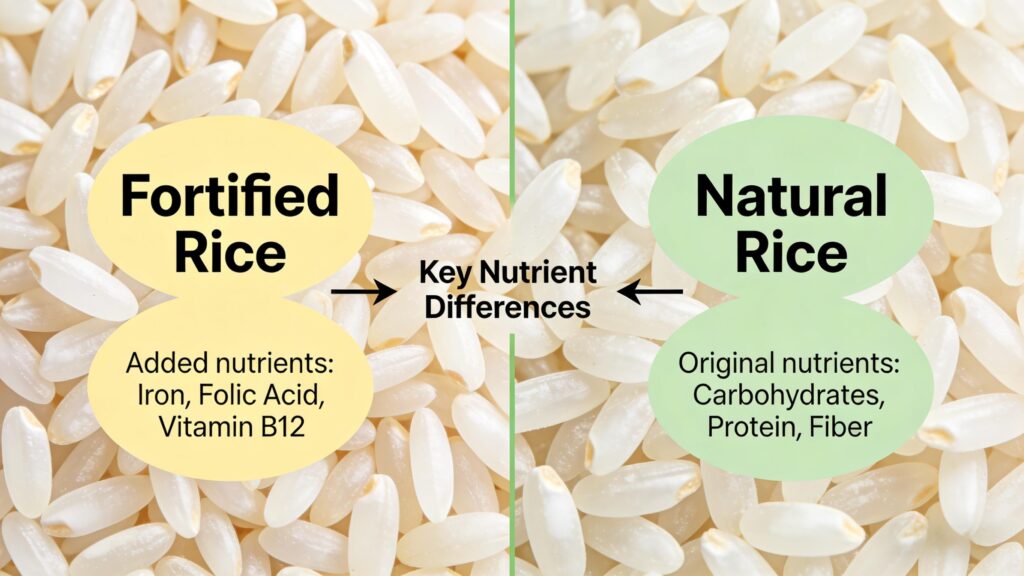
Nutritious rice is a value-added rice product designed to address nutritional deficiencies and enhance the health benefits of conventional white rice. Nutrition rice making machine The processing technology involves fortifying, enriching, or restoring micronutrients—such as vitamins, minerals, and sometimes proteins or fiber—that are lost during milling or are lacking in staple diets. Below is a detailed description of the typical processing technology used to produce nutritious rice. 1. Raw Material Preparation The process begins with selecting high-quality broken or low-grade rice grains, which are more cost-effective but serve as an excellent base for reconstitution. Alternatively, rice flour derived from fully milled rice is commonly used. The raw material is cleaned, […]
How to Create Unique Flavors for Puffed Snacks

In the competitive world of puffed snacks, texture gets the first bite, extruder snack machine but flavor brings the customer back. While the base of a puffed snack—whether made from corn, rice, wheat, or lentils—is often bland and starchy, it is also a perfect canvas. The real art lies in the seasoning. So, how do food scientists and chefs transform a simple, airy puff into an unforgettable taste experience? The process involves a delicate balance of adhesion, layering, contrast, and innovation. 1. Master the Art of Adhesion The first challenge is getting the flavor to stick. A puffed snack has a porous, often dry surface. extruder snack machine If the […]
What Makes Certain Puffed Snacks More Popular Than Others?
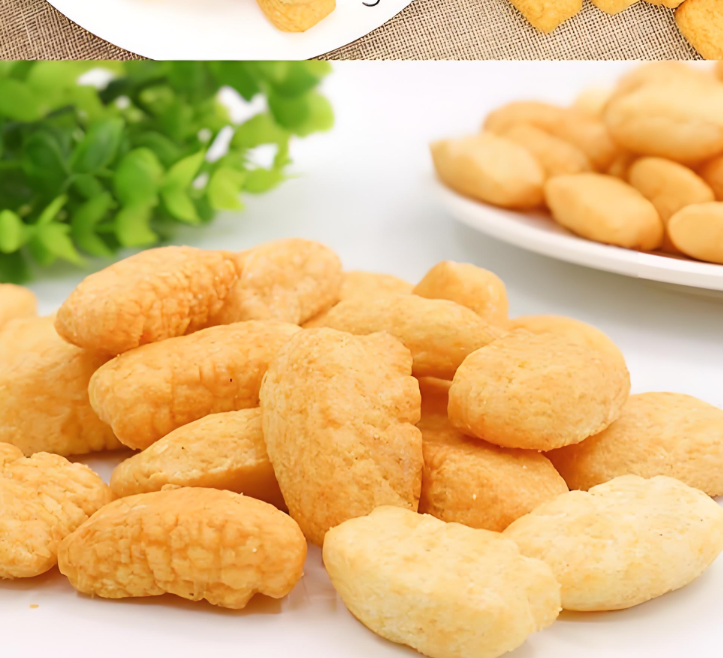
Puffed snacks have become a staple in the modern diet, enjoyed by people of all ages across the globe. From cheese puffs to rice cakes and extruded corn sticks, these light, airy treats dominate supermarket shelves. snack food extruder machine But what separates the bestsellers from the failures? What makes one puffed snack fly off the shelves while another is left to collect dust? Here are the key factors that determine why some puffed foods are more beloved than others. 1. Texture: The Crunch Factor The most critical element of any puffed snack is its texture. People crave a satisfying, consistent crunch. However, preferences vary. snack food extruder machine Some […]
From Waste to Wellness: The Complete Guide to Fortified Rice Processing
The production of fortified rice represents one of the most impactful public health innovations in modern food processing. By transforming nutrient-deficient milled rice into a vehicle for essential vitamins and minerals, this technology addresses “hidden hunger”—micronutrient malnutrition affecting over 2 billion people worldwide . This article provides a comprehensive overview of how fortified rice is manufactured, with primary focus on extrusion technology—the gold standard for commercial production. 1. Overview: What Is Fortified Rice? Fortified rice is produced by adding essential micronutrients—typically iron, folic acid, and vitamin B₁₂—to regular milled rice. The process involves two fundamental steps regardless of technology chosen : The result is rice that is nearly identical to […]
The Art of Softness: A Comprehensive Guide to Puffed Infant Rice Cereal Processing

The production of puffed infant rice cereal—the gentle, dissolvable first food for millions of babies worldwide—represents one of the most carefully controlled applications of food extrusion technology. Unlike snack foods where crispness is prized, infant cereal requires a delicate balance of rapid dissolution, smooth texture, tailored nutrient density, and exceptional digestibility. This article explores the complete manufacturing process as of 2026. 1. Raw Material Selection and Preparation The journey begins with selecting high-quality rice—typically white rice varieties with low amylose content for optimal digestibility. Broken rice grains are often preferred as they are cost-effective while maintaining the same nutritional profile as whole grains. Key raw material considerations: The rice is […]
The Engineering of Nutrition: A Deep Dive into Commercial Dry Dog Food Processing

The journey of dry dog food, from a collection of raw commodities to the crunchy kibble that fills your pet’s bowl, is a fascinating example of industrial food engineering. dog food pellet making machine Far from a simple mixing process, it is a precise, multi-stage operation known as extrusion. This process is designed to create a product that is nutritionally balanced, microbiologically safe, highly digestible, and shelf-stable. As of 2022, the global pet food market reached 35.27 million tons, with an estimated 95% of household pet food produced via this method . Here is a step-by-step look at how commercial dry dog food is made. 1. Ingredient Sourcing, Grinding, and […]
Key Parameters for Producing High-Quality Puffed Snacks
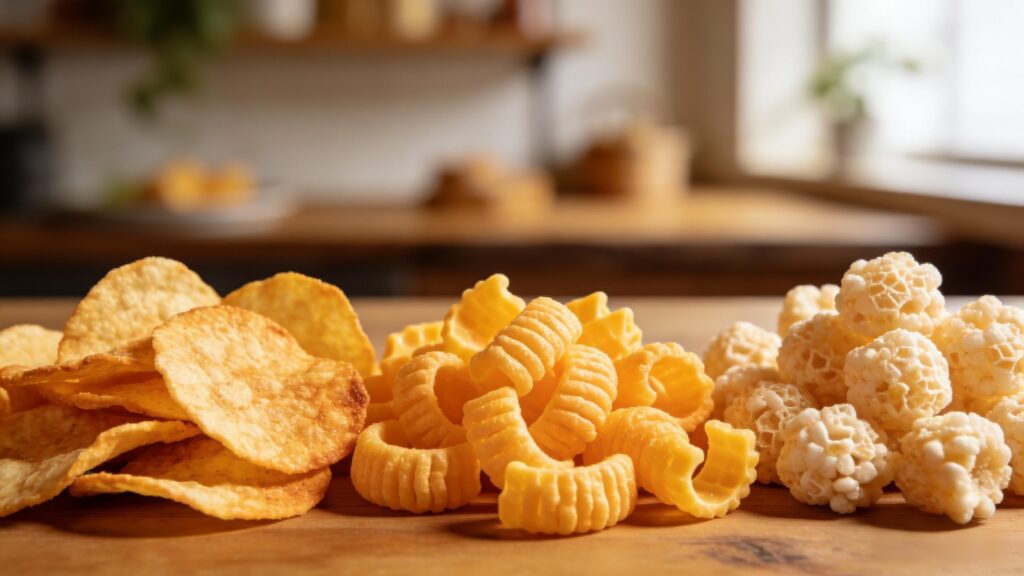
Producing puffed snacks—such as corn puffs, rice crisps, and cheese balls—requires a careful balance of multiple process variables. snack extruder machine Even small deviations can lead to poor expansion, uneven texture, or off-flavors. Below are the most critical parameters that determine product quality. 1. Raw Material Properties a. Starch Type and Purity b. Moisture Content (Pre‑Extrusion) As detailed previously, optimal moisture is 12–18% (wet basis). 2. Extruder Configuration a. Screw Profile and Speed b. Barrel Temperature Profile Puffed snacks usually require a gradual temperature rise along the extruder barrel: Zone Typical Temperature Purpose Feeding 20–40°C Avoid premature melting Compression 60–100°C Begin gelatinization Cooking 100–140°C Complete gelatinization Die 120–160°C Superheat water […]
The Critical Role of Raw Material Moisture in Producing High-Quality Extruded Snacks

In the production of puffed (extruded) snacks such as cheese balls, puffed corn sticks, and rice crisps, moisture content in the raw materials is one of the most crucial process parameters. snack food machinery Proper moisture levels directly influence expansion ratio, texture, mouthfeel, and overall product quality. This article outlines the requirements and effects of raw material moisture in puffed food manufacturing. 1. Optimal Moisture Range For most starch-based raw materials (e.g., corn flour, rice flour, wheat starch, potato granules), the ideal moisture content before extrusion typically falls between 12% and 18% (wet basis). The exact value depends on the recipe, extruder type (single-screw or twin-screw), and target product characteristics. […]
How to Control the Baking/Drying Temperature for Extruded Puffed Foods
After extrusion, many expanded food products (e.g., direct-expanded snacks, cereal balls, and pellets for further processing) require a post-extrusion thermal treatment — often called baking, drying, or toasting. This step removes residual moisture, sets the structure, develops flavor and color, and ensures a crisp texture. Controlling baking temperature is critical. Too low → soggy, underdeveloped product. snack extruder machine Too high → burnt surface, case hardening, or off-flavors. Below is a systematic guide to achieving consistent, high-quality results. 1. Understand the Role of Baking Temperature Baking serves three main purposes in expanded foods: Purpose Temperature effect Moisture reduction Evaporates water from ~8–12% post-extrusion down to 2–5% final (crisp texture). Structure […]
 Japanese
  English
  Russian
  Spanish
  Italian
  Arabic
  Portuguese
  German
  French
  Moroccan Arabic
  Persian
  Belarusian