
Components of a Twin-Screw Extruder

A twin-screw extruder is a sophisticated piece of processing equipment widely used in the food, feed, polymer, and chemical industries. corn snack extruder It performs multiple unit operations — conveying, mixing, cooking, shearing, and shaping — within a single machine. Understanding its components is essential for proper operation, maintenance, and troubleshooting. Below is a breakdown of the major components of a typical twin-screw extruder. 1. Feeding System The feeding system delivers raw materials (powders, granules, or liquids) into the extruder barrel at a controlled and consistent rate. 2. Drive System The drive system provides rotational power to the twin screws. 3. Barrel Assembly The barrel encloses the screws and forms […]
Precautions for Starting a Twin-Screw Extruder
Starting a twin-screw extruder requires careful preparation and adherence to safety and operational procedures. snack food extruder Improper startup can lead to equipment damage, poor product quality, or personal injury. Below are key precautions to follow when starting a twin-screw extruder. 1. Pre-Startup Inspection 2. Electrical and Control System Check 3. Preheating Procedure 4. Feeding System and Material Preparation 5. Startup Sequence 6. Key Monitoring Parameters During Startup 7. Emergency Procedures 8. After Successful Startup Common Mistakes to Avoid By following these precautions, operators can ensure a safe, efficient startup of a twin-screw extruder, minimizing downtime and extending equipment life. Always refer to your specific extruder manufacturer’s manual for model-specific […]
Extruded Breadcrumbs: Diverse Applications in the Food Industry

Introduction Extruded breadcrumbs are a specialized type of breadcrumb produced through extrusion cooking technology, rather than traditional baking and grinding. bread crumb machine In this process, a mixture of flour, water, and seasonings is cooked under high temperature and pressure, then forced through a die and cut into uniform particles. The result is a lightweight, porous, and uniformly shaped crumb with consistent texture and color. Extruded breadcrumbs offer several advantages over conventional breadcrumbs, including lower oil absorption, longer shelf life, and superior crispiness. As a result, they have become indispensable in a wide range of food applications, from frozen snacks to meat processing. 1. Coating for Fried and Baked Foods […]
Textured Soy Protein: Versatile Applications in Modern Food Systems

Introduction Textured Soy Protein (TSP), also known as textured vegetable protein (TVP), is a processed soy product made from defatted soy flour. soya chunks making machine Through extrusion cooking, the protein is transformed into porous, sponge-like structures that can mimic the texture of meat. TSP is high in protein, low in fat, cholesterol-free, and cost-effective. As a result, it has found widespread applications across the food industry, from meat alternatives to ready-to-eat meals. This article explores the major applications of TSP and its growing importance in global food systems. 1. Meat Analogs and Plant-Based Products The most prominent application of TSP is in the production of meat substitutes. When rehydrated […]
The Advantages of Fortified Rice: A Nutritional Breakthrough
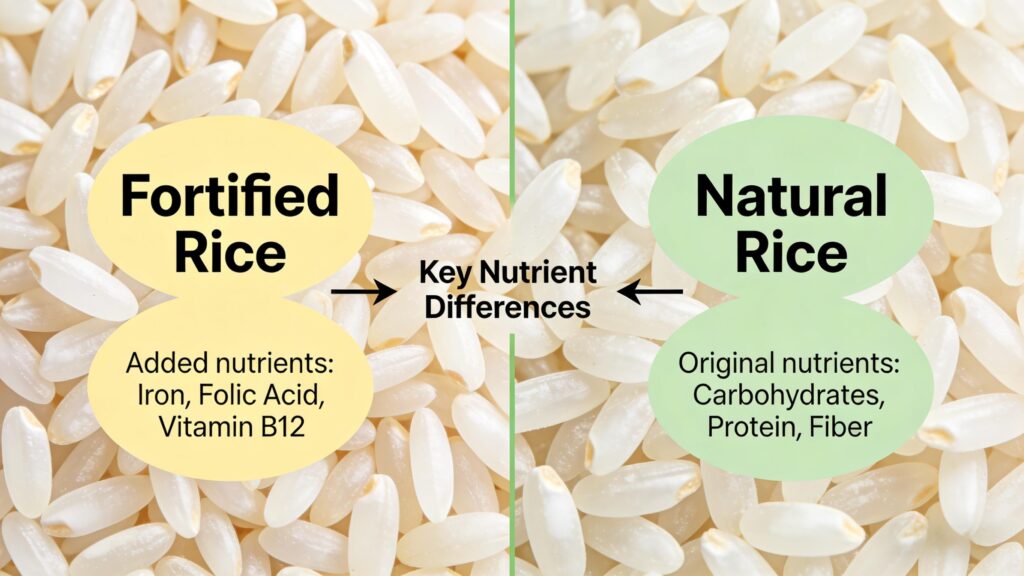
Introduction Rice is the primary staple food for more than half of the world’s population, particularly in Asia, Africa, and Latin America. fortified rice machinery However, polished white rice is low in essential micronutrients such as iron, zinc, and B vitamins, leading to widespread “hidden hunger” — a deficiency of vitamins and minerals that affects billions of people. Fortified rice, which is regular rice mixed with nutrient-enriched kernels, offers a practical and effective solution. This article outlines the key advantages of fortified rice in terms of public health, economics, and social acceptance. 1. Effective in Combating Micronutrient Deficiencies The most significant advantage of fortified rice is its ability to deliver […]
The Processing Principles of Fortified Rice: An Overview
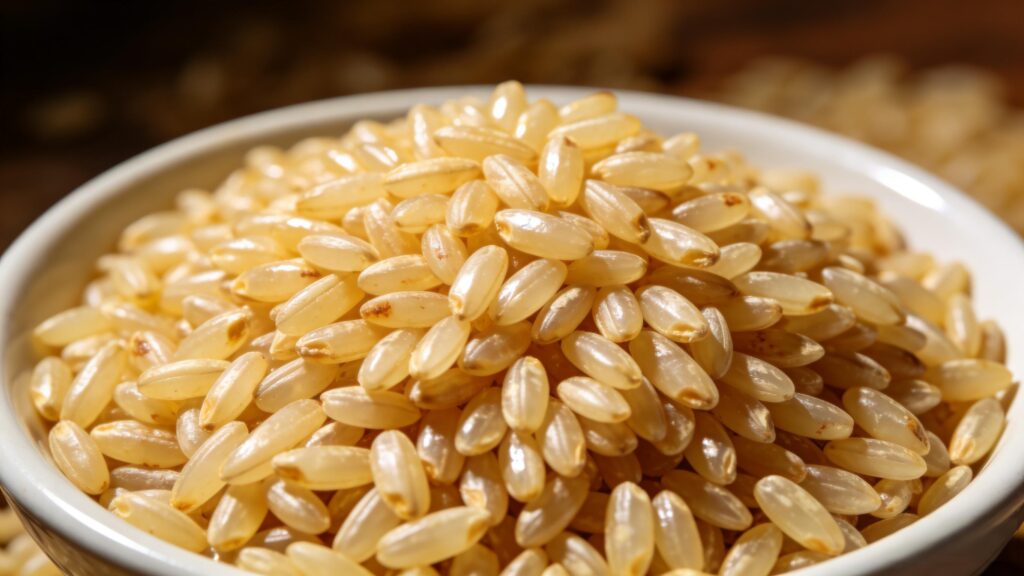
Introduction Rice fortification is a public health strategy designed to address micronutrient deficiencies in populations where rice is a dietary staple. fortified rice making machine The process involves adding essential vitamins and minerals to polished rice grains to restore nutrients lost during milling or to supplement nutrients that are otherwise insufficient in daily diets. Understanding the processing principles of fortified rice is key to ensuring its nutritional efficacy, physical stability, and consumer acceptance. Core Principles of Rice Fortification The fundamental goal of rice fortification is to produce rice kernels that mimic natural rice in appearance, cooking behavior, and taste, while delivering precise amounts of micronutrients. fortified rice making machine The […]
A Practical Guide to Selecting the Right Corn Puffing Machine
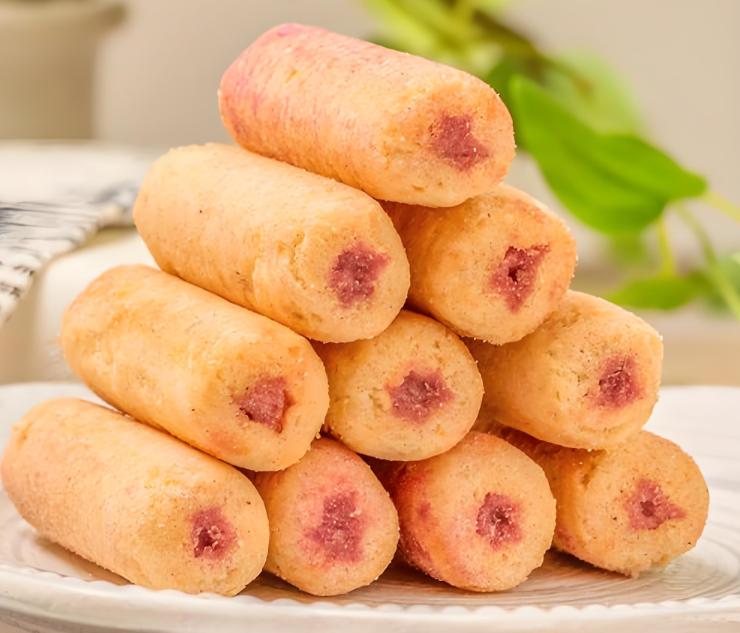
1. Introduction Choosing the correct corn puffing machine (extruder) is the most critical decision for any snack food business, corn puffs extruder whether you are a startup or an established manufacturer looking to expand. The wrong choice can lead to poor product quality, high operational costs, and frequent breakdowns. This guide outlines the key factors to consider when selecting an extruder specifically for corn-based puffed snacks. 2. Understanding the Two Main Types of Corn Puffing Machines Before diving into specifications, you must distinguish between the two primary technologies: Feature Single-Screw Extruder Twin-Screw Extruder Mechanism One rotating screw inside a barrel Two intermeshing, co-rotating screws Mixing capability Moderate Excellent (self-wiping) Moisture […]
Extrusion Processing Technology for Corn-Based Puffed Snacks
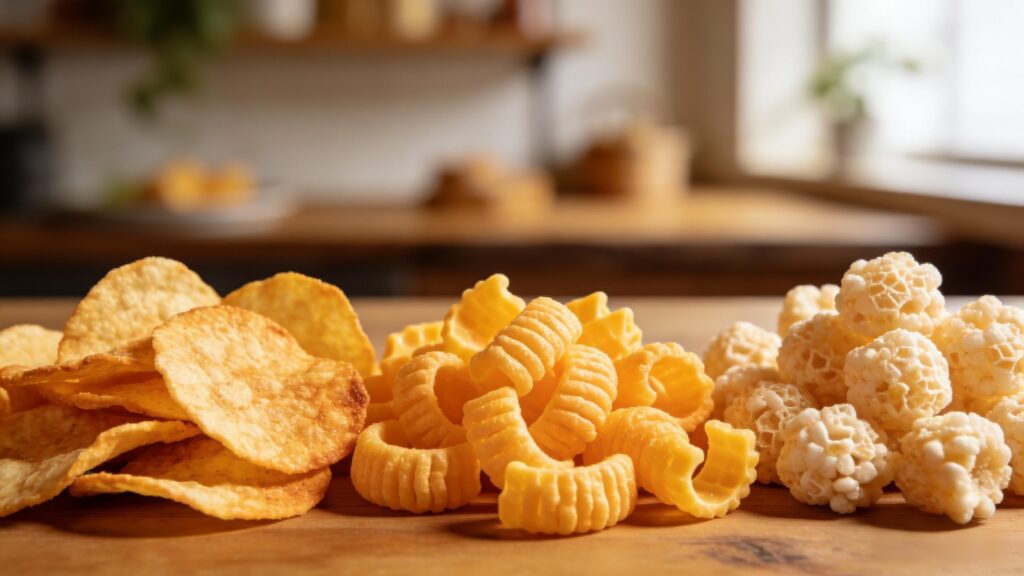
1. Introduction Corn-based puffed snacks represent a major segment of the global snack food industry, valued for their light texture, crispness, and ease of flavoring. corn puffs machine The dominant technology for producing these snacks is twin-screw extrusion cooking. This continuous, high-temperature, short-time (HTST) process transforms raw corn ingredients into a puffed, palatable product through a combination of thermal and mechanical energy. 2. Raw Materials and Preparation 3. The Core Process: Extrusion Cooking The prepared mixture enters the extruder barrel, which contains co-rotating, intermeshing screws. The process inside the barrel is divided into three key zones: 4. Expansion and Drying The most critical transformation happens as the molten dough exits […]
Critical Control Points and Key Issues in Kurkure Production
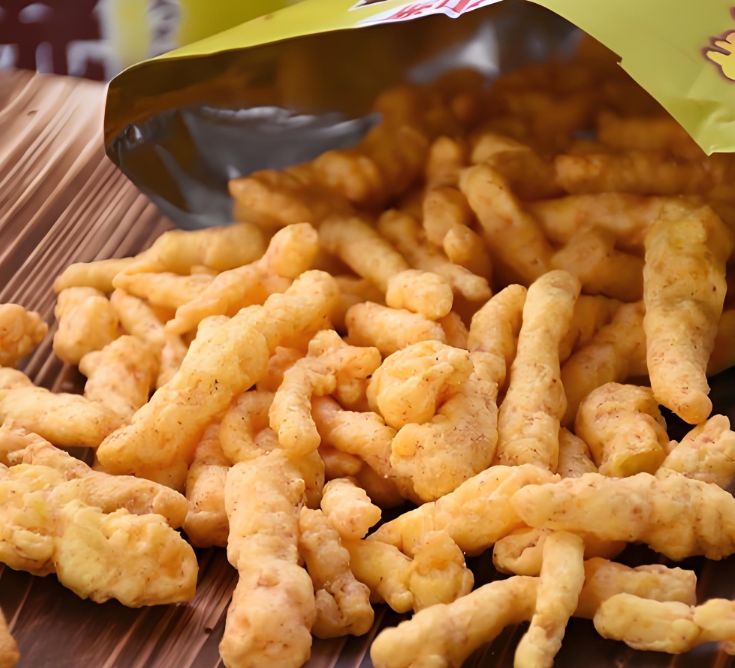
While the manufacturing process for Kurkure is highly automated and efficient, several issues must be meticulously monitored to ensure product consistency, food safety, and consumer appeal. kurkure machine price Failure to control these parameters can lead to significant quality defects, from poor texture to rancid flavors. This article highlights the major issues that production teams must address at each stage of the process. 1. Raw Material Quality and Moisture Control The foundation of a good product lies in its raw materials. The primary ingredient, corn grits, must be of consistent particle size and free from mycotoxins (fungal toxins). 2. Extrusion Parameters: Temperature, Pressure, and Die Design Extrusion is the most […]
The Manufacturing Process of Kurkure: A Study in Extrusion Technology
Kurkure, a popular brand of extruded snack food known for its unique curly shape and spicy, crunchy texture, is a staple in many markets, particularly in India. kurkure making machine Produced by PepsiCo, the manufacturing process is a sophisticated interplay of food engineering and material science. While the exact industrial recipe is proprietary, the core manufacturing process is well-documented and follows a specific sequence of high-temperature, short-time (HTST) extrusion. This article outlines the step-by-step mechanical process used to transform raw corn grits into the final packaged snack. 1. Raw Material Preparation and Mixing The primary raw material for Kurkure is corn grits (also known as maize grits). Other dry ingredients, […]
Engineering the Perfect Crunch: How to Master the Texture of Extruded Snacks

In the world of leisure foods, texture is king. While flavor may draw a consumer in, it is the mouthfeel—the crispy snap, the airy melt, or the dense crunch—that makes them return for another bite. snack extruder machine For extruded snacks (puffs, curls, pellets), texture is not an accident; it is a carefully engineered result of balancing raw materials, machine mechanics, and thermodynamics. So, how do food scientists achieve the perfect bite? Here are the critical parameters for mastering extruded snack texture. 1. The Foundation: Selecting the Right Raw Material The starch source dictates the texture’s ceiling. Pro Tip: Adding a small amount of amylose-rich starch (like high-amylose corn) reduces […]
The Art and Science of Puffing: A Look into the Processing Technology of Leisure Snacks
From the crispy corn curls that melt in your mouth to the airy cheese balls that dissolve on your tongue, leisure puffed snacks are a global phenomenon. snack food processing equipment Their universal appeal lies in their unique, light texture and satisfying crunch. But behind this simplicity is a fascinating piece of food engineering that transforms humble grains (like corn, rice, and wheat) or starches (like potato) into sophisticated, ready-to-eat products. The core of this technology is extrusion. This high-temperature, short-time (HTST) process is the workhorse of the snack food industry. Let’s break down the journey of a puffed snack, from raw material to shiny, seasoned final product. Step 1: […]
 Japanese
  English
  Russian
  Spanish
  Italian
  Arabic
  Portuguese
  German
  French
  Moroccan Arabic
  Persian
  Belarusian