
Single-Screw vs. Twin-Screw Extruders: A Comprehensive Technical Comparison

Selecting the right extrusion equipment is a foundational decision that directly impacts production efficiency, product quality, and operational costs. In polymer processing, the choice between a single-screw extruder (SSE) and a twin-screw extruder (TSE) is particularly critical. While both machines serve the same fundamental purpose—melting and conveying polymeric materials—their underlying mechanics, capabilities, and ideal applications […]
A Comprehensive Guide to Cleaning Extruder Screws: Methods, Materials, and Best Practices
The extruder screw is the heart of any plastic processing operation. Over time, however, this vital component becomes coated with degraded polymer, carbonized residues, and additive deposits. A dirty screw leads to poor melt quality, dimensional instability, and material contamination—culminating in costly downtime and scrap. Effective screw cleaning is not merely a maintenance task; it […]
Cleaning Methods for Twin-Screw Extruders
Maintaining a clean twin-screw extruder is essential for product quality, equipment longevity, and operational efficiency. Residue buildup—whether from carbonized deposits, pigments, or material cross-contamination—can lead to defects like black spots and streaks in the final product . snack food extruder This article outlines the primary cleaning methods for twin-screw extruder components, from in-machine purging to […]
How Floating Fish Feed Is Made: The Science of Buoyancy

Floating fish feed—those small, golden-brown pellets that stay on the water’s surface for hours—is a marvel of food engineering. Unlike sinking feed, which simply drops to the bottom, floating pellets are designed to trap microscopic air bubbles inside their structure. extruder machine for fish feed This buoyancy is not a natural property of the ingredients; […]
How Fish Feed Pellets Get Their Shape: A Journey Through Extrusion Technology

The uniform, cylindrical pellets or floating crumbles that fish farmers rely on do not occur by accident. Their precise shape, size, and buoyancy are the result of a highly controlled industrial process known as extrusion. This process combines cooking, forming, and drying into a continuous, high-tech production line. Here is a step-by-step breakdown of how […]
The Art and Science of Breakfast Cereal Flavoring: A Technical Exploration
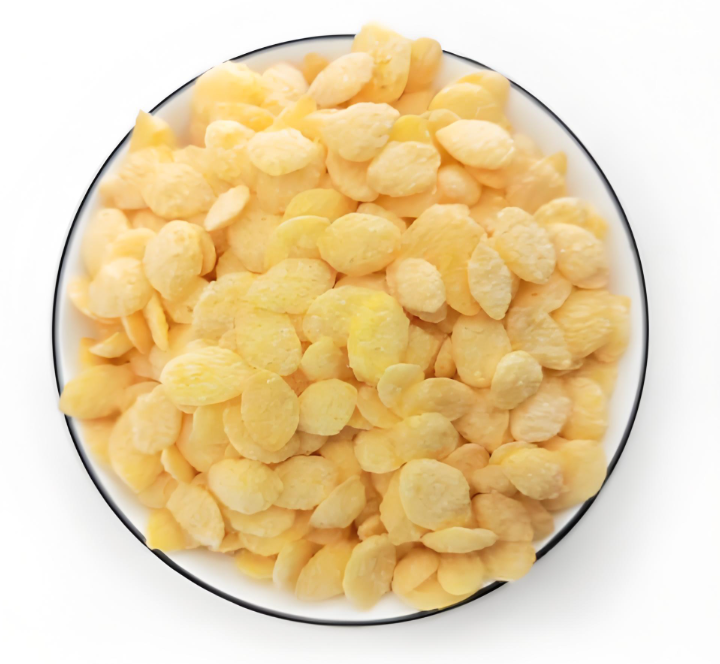
The flavoring of breakfast cereal is a sophisticated interplay of food science, culinary artistry, and industrial engineering. Far from a simple sprinkle of sugar or dusting of cinnamon, the process involves multiple strategic approaches to ensure that every puff, flake, or loop delivers a consistent, appealing, and long-lasting taste experience. The methods employed fall into […]
Title: The Breakfast Cereal Market: Crunching the Numbers on a Complex Future
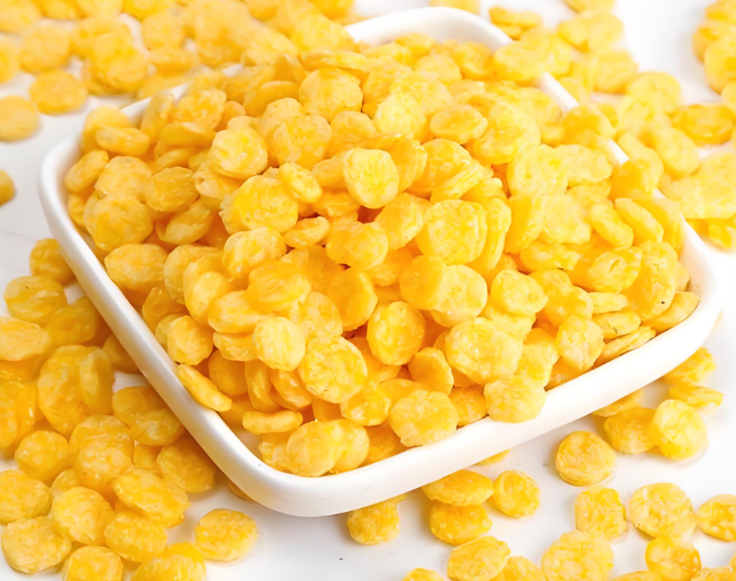
The breakfast cereal aisle has long been the heartbeat of the modern grocery store. For over a century, the ritual of pouring flakes, puffs, or loops into a bowl has defined mornings for millions. Yet, in 2026, this storied category finds itself at a crossroads. Once an untouchable staple of the Western diet, the breakfast […]
Processing Technology of Fried Puffed Foods
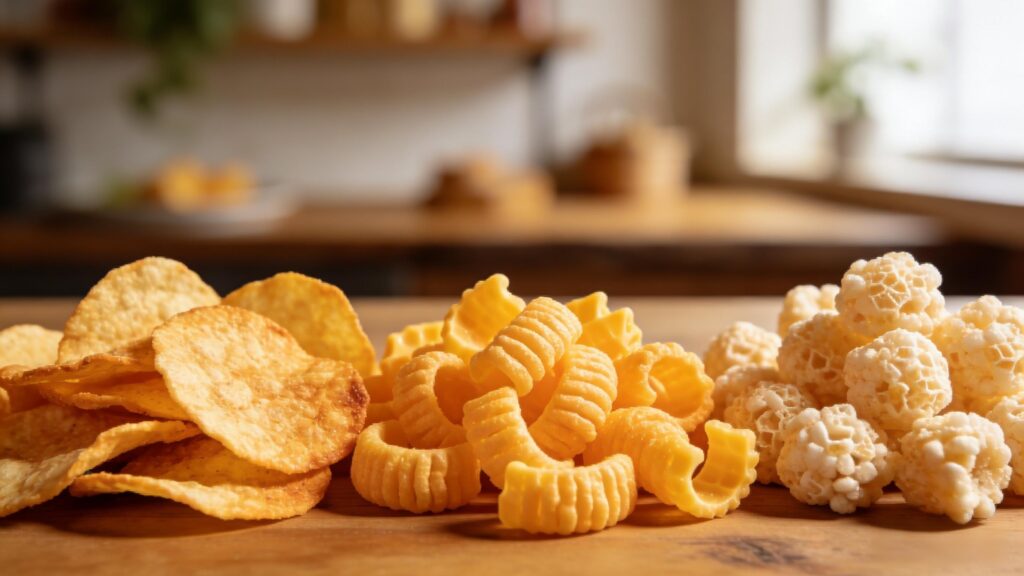
Abstract Fried puffed foods represent a major category in the global snack industry, characterized by their light, crispy texture and porous structure achieved through rapid moisture vaporization in hot oil. This article provides a comprehensive overview of the processing technologies for fried puffed foods, examining the fundamental principles of puffing, the two main production pathways […]
How to Produce Puffed Foods in Diverse Shapes: A Comprehensive Guide
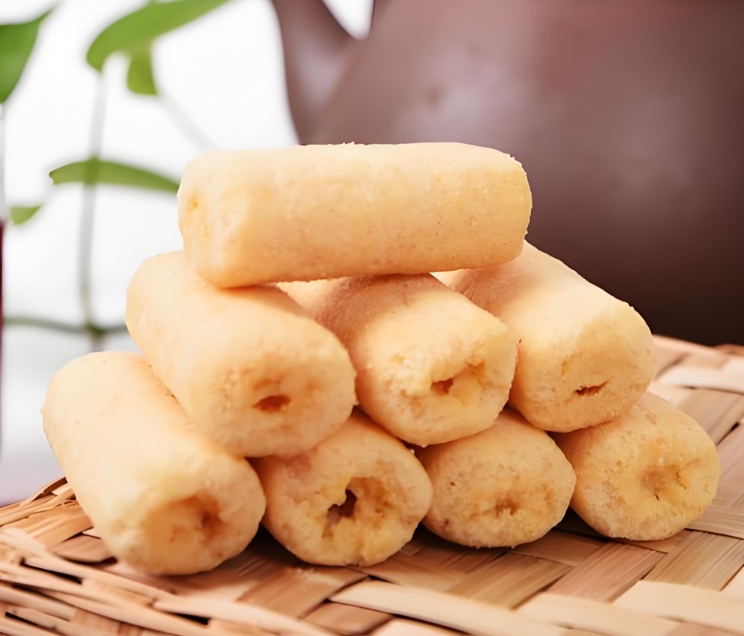
Abstract The production of puffed snacks in diverse shapes represents one of the most versatile applications of modern food extrusion technology. This article provides a comprehensive overview of the processing methods used to manufacture puffed foods with varied forms—from simple balls and rings to complex animal shapes and alphabet letters. The central principle involves extrusion […]
The Manufacturing Technology of Breakfast Cereals: From Grain to Bowl

Abstract Breakfast cereals, particularly ready-to-eat (RTE) varieties, represent one of the most extensively processed food categories in the modern food industry. Produced primarily from corn, wheat, oats, and rice, these convenient products undergo a series of carefully controlled unit operations that transform raw grains into shelf-stable, crispy, and flavorful foods suitable for direct consumption . […]
Processing Technology of Instant Rice: From Grain to Convenience
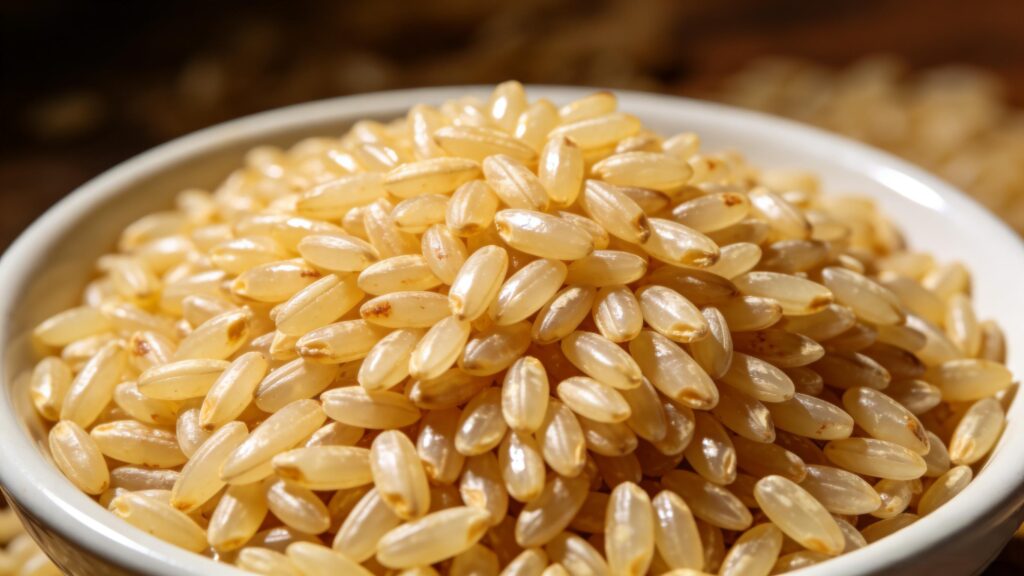
Abstract Instant rice, also known as pre-cooked or quick-cooking rice, is a convenience food designed to significantly reduce preparation time while delivering a product that closely resembles freshly cooked rice. The global ready-meal market continues to expand, with instant rice gaining prominence across tourism, military, and fast-food sectors due to its minimal preparation time of […]
The Adhesion Equation: Advanced Techniques for Seasoning Puffed Snacks

IntroductionPuffed snacks—extruded corn curls, rice crisps, or air-popped pellets—present a unique culinary paradox. Their expanded, porous structure makes them delightfully light and crispy, yet that same cellular sponge-like matrix actively repels dry powdered seasoning. Unlike fried potato chips, which have a flat, oily surface for seasonings to cling to, puffed snacks are hydrophilic on the […]
 Arabic
 English
 Russian
 Spanish
 Italian
 Portuguese
 German
 French
 Japanese
 Moroccan Arabic
 Persian
 Belarusian