
Fish Feed Processing Techniques: A Comprehensive Guide
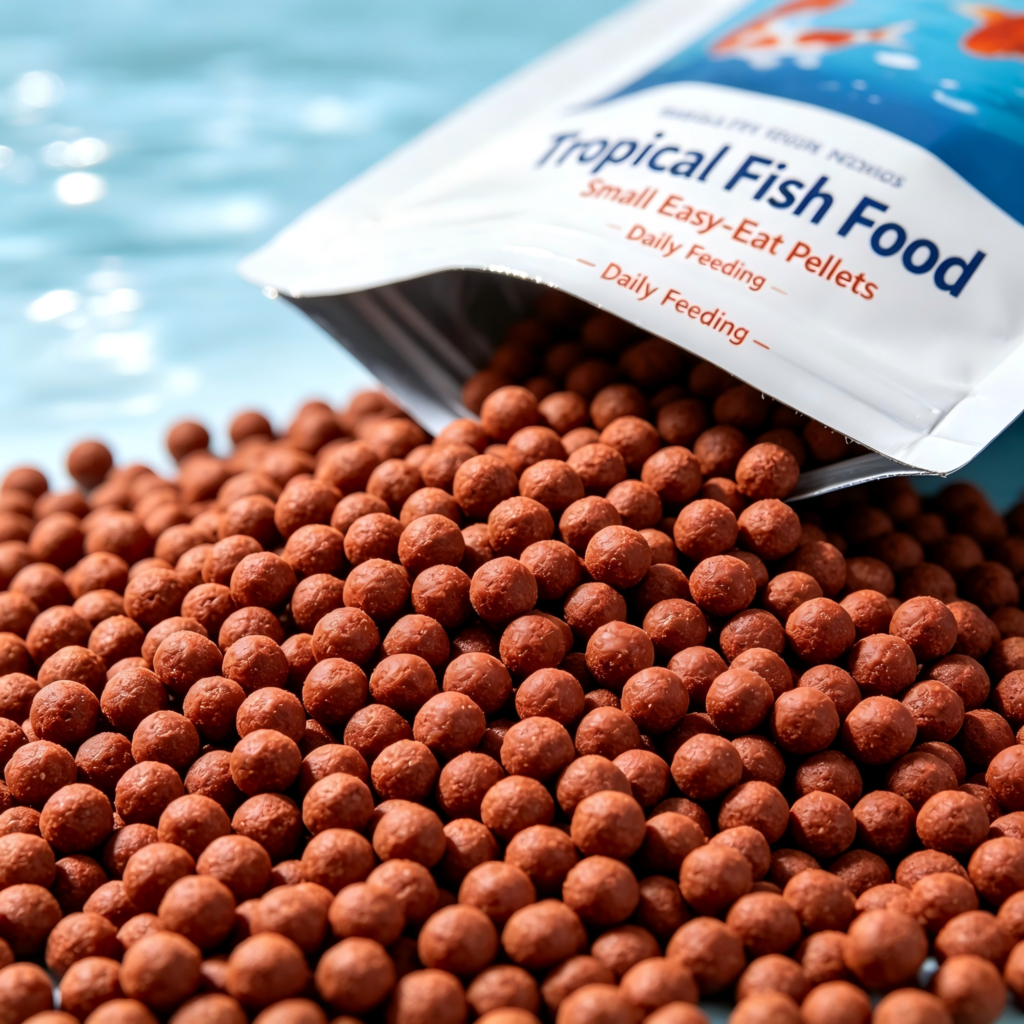
Fish feed processing is a critical link between aquaculture nutrition and the actual delivery of nutrients to farmed fish. Unlike terrestrial animal feeds, aquafeeds must contend with a unique challenge: they must remain physically stable in water long enough for fish to consume them, without disintegrating and polluting the aquatic environment. fish feed production line Poor feed durability and water stability can lead to economic losses and unintended nutrient loading in receiving waters. This article provides a comprehensive guide to fish feed processing techniques, covering the essential unit operations that transform raw ingredients into high-quality, nutritionally balanced pellets. Why Processing Matters Fish feed processing serves multiple essential functions: Raw Material […]
The Truth Behind Sandwich Rice Crackers: How Your Favorite Snack Is Really Made
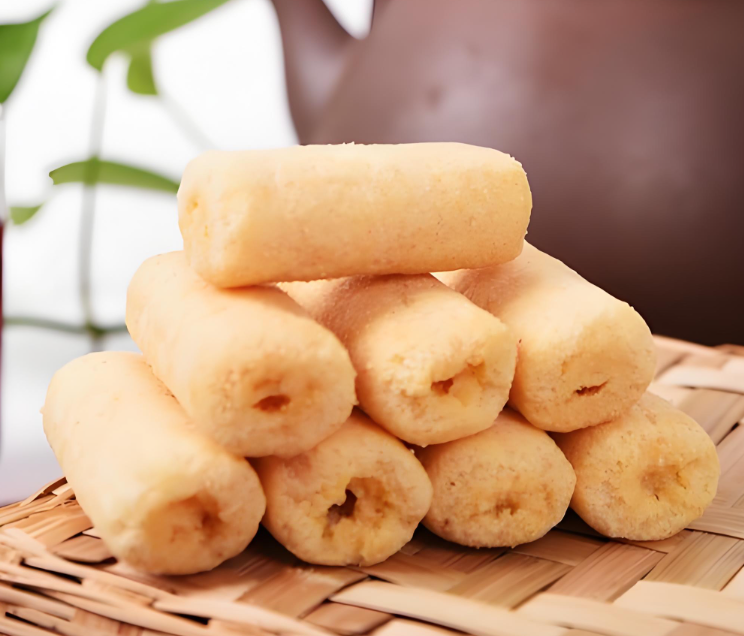
That satisfying crunch followed by a burst of sweet or savory filling—sandwich rice crackers, also known as filled puffed rice snacks, have captivated snack lovers around the world. But behind the innocent packaging and nostalgic taste lies a highly industrialized process that bears little resemblance to home cooking. This article pulls back the curtain on the manufacturing techniques, ingredients, and hidden realities of how these popular treats are actually produced. What Exactly Is a Sandwich Rice Cracker? A sandwich rice cracker is a puffed snack consisting of a hollow, crispy cereal shell with a filling injected into its center. The outer shell is typically made from grains like rice, corn, […]
The Truth Behind Fortified Rice: An Exposé of Its Manufacturing Process

For years, fortified rice has been promoted as a technological silver bullet to combat malnutrition and anemia, particularly in countries where rice is a dietary staple. Under the guise of a public health intervention, a massive industrial process has been quietly reshaping what ends up on people’s plates. This is the reality of how fortified rice is made—and why it is not what it appears to be. The Industrial Process: How “Rice” Is Made in a Factory The production of fortified rice is fundamentally an industrial manufacturing process, far removed from the natural growth of rice in a paddy field. The process typically begins not with whole grains, but with […]
How to Clean a Twin-Screw Extruder: A Comprehensive Guide
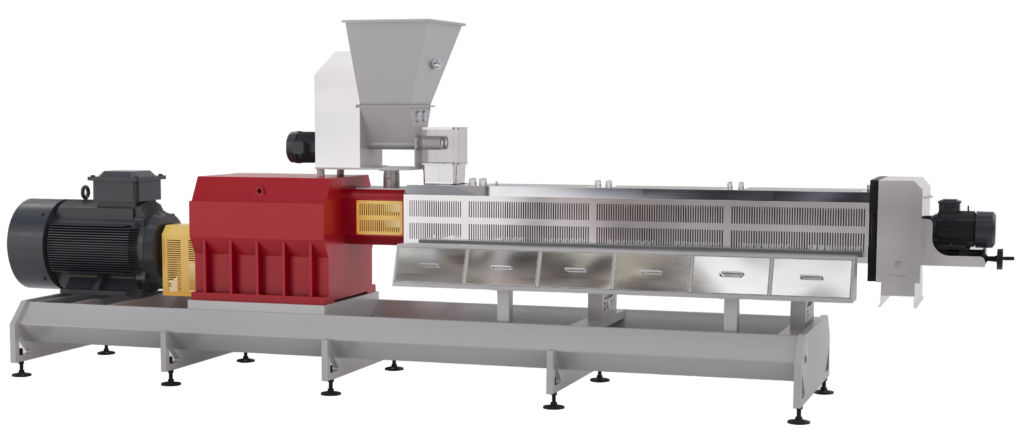
Twin-screw extruders are essential workhorses in the food, feed, and plastics industries, accounting for a significant portion of compounding machinery used globally. Regular cleaning is not just about maintaining product quality—it directly impacts equipment lifespan, production efficiency, and operational costs. Proper cleaning procedures can reduce downtime by up to 25% compared to reactive maintenance approaches. This guide provides a step-by-step approach to cleaning twin-screw extruders, covering daily maintenance, purging procedures, and deep cleaning methods. Why Cleaning Matters Residual materials left inside the extruder can carbonize, cross-contaminate subsequent batches, and cause product defects such as black spots, streaks, or off-flavors. In food and feed applications, uncleaned equipment can also lead to […]
8 Tips for Making the Perfect Breakfast Cereal

Breakfast cereal is a timeless morning staple—quick, convenient, and endlessly customisable. Yet, for such a simple dish, it’s surprisingly easy to get wrong. Soggy flakes, lukewarm milk, or a bowl that tastes like cardboard can ruin your first meal of the day. corn flakes machine price Fortunately, with a few mindful tweaks, you can elevate your cereal game from mundane to magnificent. Here are eight expert tips for crafting the ultimate breakfast cereal bowl. 1. Choose the Right Cereal for Your Mood and Nutrition Not all cereals are created equal. Start by reading the nutrition label. Look for options with at least 3 grams of fibre and less than 10 […]
How to Produce Puffed Foods in a Variety of Shapes
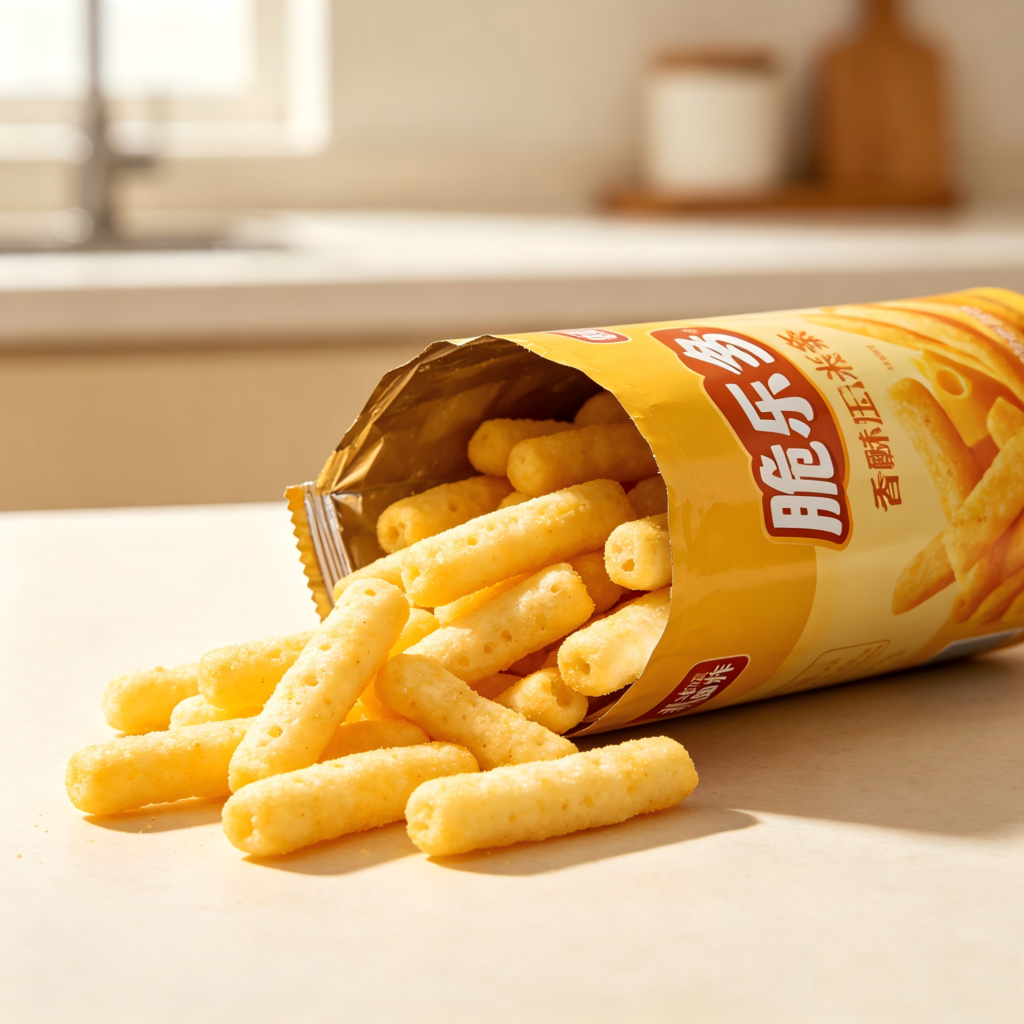
Puffed foods have become one of the most popular snack categories worldwide, beloved for their light, crispy texture and endless variety of forms. From simple spheres and sticks to complex animal shapes, three-dimensional designs, and even alphabet letters, the ability to produce puffed snacks in virtually any shape is what makes them so appealing to consumers—especially children. puffed snack making machine But how exactly are these diverse shapes achieved? The answer lies in a combination of advanced extrusion technology, interchangeable (dies), precision cutting mechanisms, and secondary forming processes. The Core Technology: Extrusion Puffing At the heart of modern puffed food production is the extrusion puffing process. This method uses an […]
The Food Twin-Screw Extruder: A Comprehensive Introduction
Introduction The twin-screw food extruder is one of the most significant innovations in modern food processing engineering. It is a versatile, continuous manufacturing device that uses two intermeshing, rotating screws inside a heated barrel to cook, mix, shape, and texturize food ingredients. Often described as a pump, a heat exchanger, and a continuous high-pressure, high-temperature reactor combined into a single piece of equipment, the twin-screw extruder has become the industry standard for producing a vast array of food and feed products—from breakfast cereals and snacks to plant-based meats and aquatic feed. This article provides a comprehensive introduction to the food twin-screw extruder, covering its working principle, key components, types, applications, […]
The Manufacturing Process of Floating Fish Feed
Introduction Floating fish feed, also known as extruded or puffed fish feed, is a specialized aquafeed designed to remain buoyant on the water surface for extended periods. This characteristic is particularly valuable for species such as tilapia, catfish, carp, and other surface-feeding fish. Unlike sinking feeds, floating pellets allow farmers to observe feeding behavior directly, reduce feed waste, and minimize water pollution from uneaten food that settles at the bottom of ponds. The production of floating fish feed relies primarily on a technology called extrusion cooking, a process that transforms a dry, powdery mixture of ingredients into porous, water-stable pellets through the application of heat, pressure, and mechanical shear. This […]
Sliced Potato Chips vs. Formulated (Compound) Potato Chips: A Comprehensive Comparison
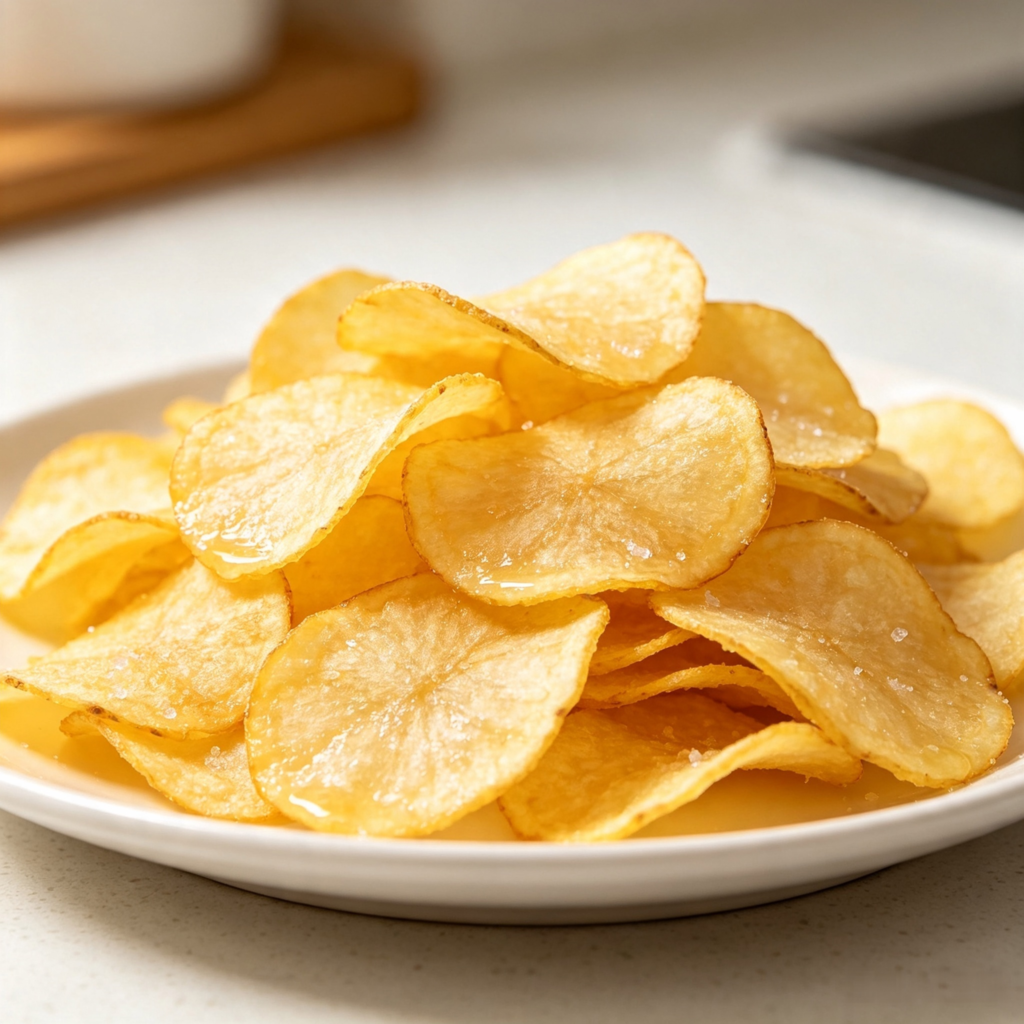
Introduction Potato chips are one of the world’s most beloved snack foods. However, not all potato chips are created equal. Walk down the snack aisle of any supermarket, and you will notice two distinct types: chips sold in bags (pouches) and chips sold in rigid tubes or cans. This packaging difference is not merely cosmetic—it reflects a fundamental distinction in how the chips are made. The snack industry categorizes potato chips into two main types based on their production method: sliced potato chips (also known as fresh-cut or traditional chips) and formulated (compound) potato chips (also referred to as fabricated or restructured chips). This article explores the key differences between […]
Methods of Nutrient Addition in Fortified Rice: A Comprehensive Overview
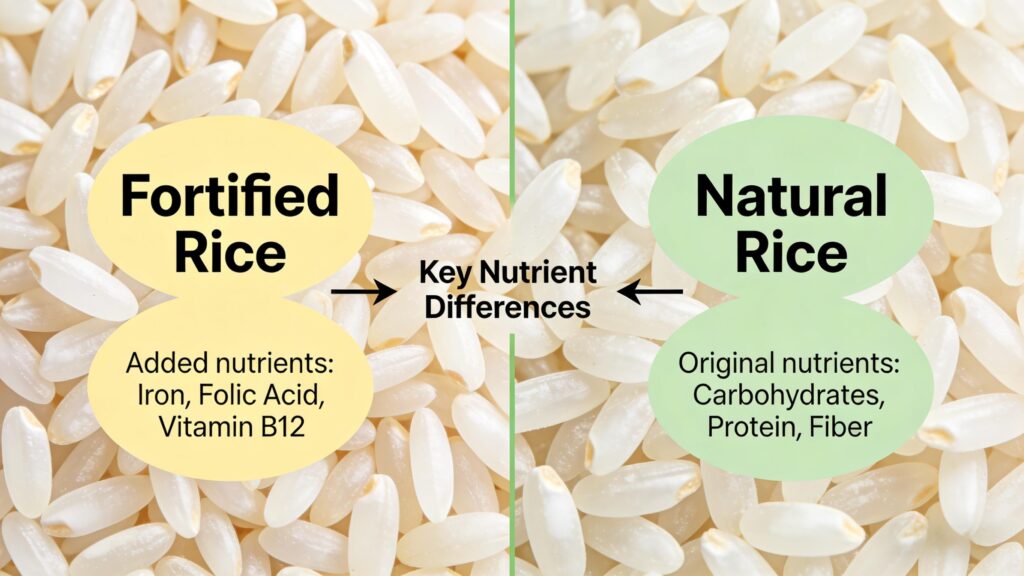
Rice is the staple food for more than half of the global population, yet milled white rice loses most of its essential micronutrients during polishing. Rice fortification—the deliberate addition of vitamins and minerals to rice—has emerged as a cost-effective public health strategy to combat micronutrient deficiencies, particularly iron, zinc, vitamin A, and folic acid. However, unlike flour fortification where powdered premix can be easily blended, rice is consumed as whole kernels, which complicates the fortification process and requires specialized technologies. This article reviews the principal methods by which nutrients are added to rice. Extrusion Technology Extrusion is the most widely adopted and scalable technology for commercial rice fortification. The process […]
Advanced Processing Technology for Fresh-Cut Potato Slices: A Comprehensive Review
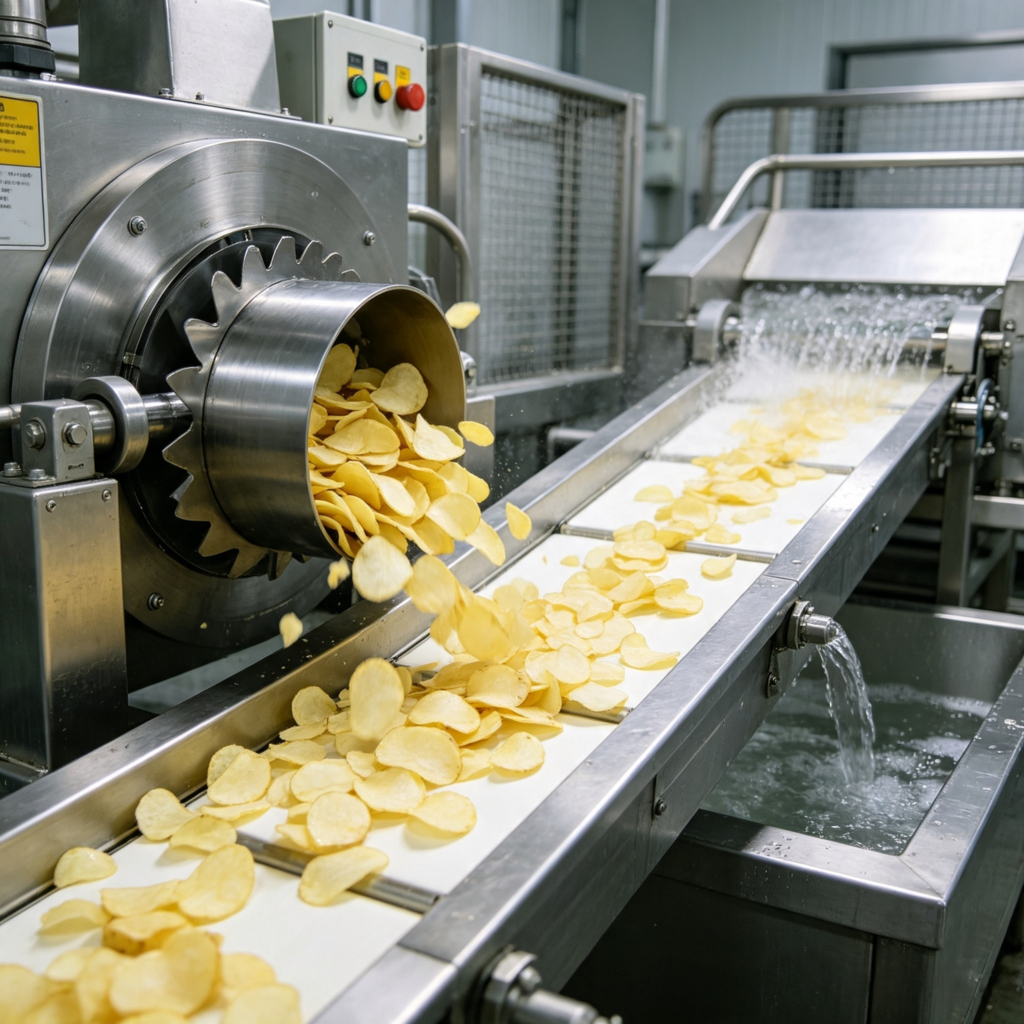
Abstract Fresh-cut potato slices have gained significant popularity in the food service industry, particularly for hot-pot applications. However, the inherent tendency of potato starch to gelatinize and leach during cooking presents substantial quality challenges. This article provides a comprehensive overview of modern processing technologies for fresh-cut potato slices, encompassing raw material preparation, cutting techniques, anti-browning treatments, thermal processing, and packaging systems. Particular emphasis is placed on innovative approaches including acetic acid pretreatment for cell wall integrity enhancement and hot oil blanching for superior texture retention. 1. Introduction Fresh-cut potato products represent a rapidly growing segment of the convenience food industry, valued for their natural appearance and ease of preparation. Unlike […]
How to make composite potato chips?
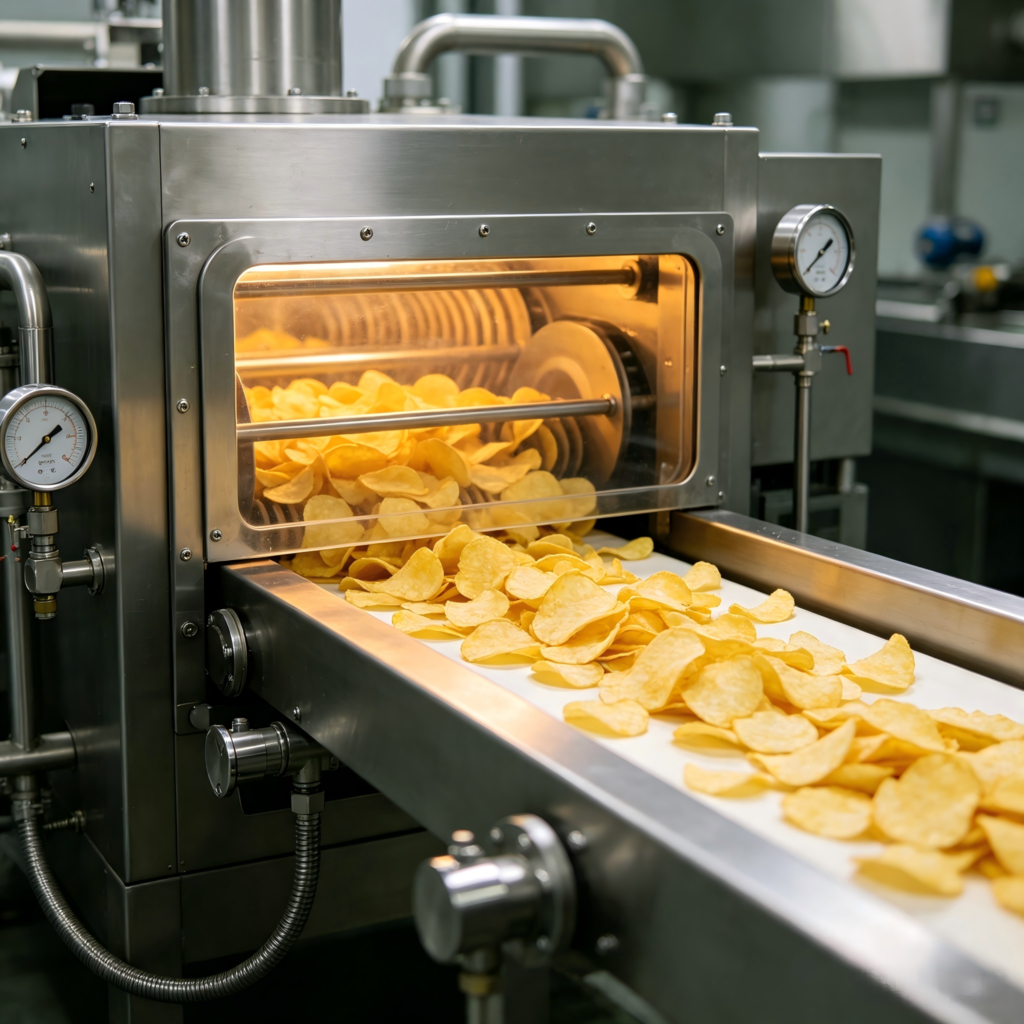
Introduction to a Composite Potato Chip Production Line In the modern snack food industry, the demand for variety, texture, and innovative flavors has driven the evolution of manufacturing technology. At the heart of this innovation lies the composite potato chip production line—a sophisticated, fully automated system designed to produce high-quality chips not solely from fresh potatoes, but from a versatile blend of dehydrated potato flakes, starches, and cereals. Unlike traditional slicing lines that depend on the specific gravity and size of raw tubers, a composite line is a “recipe-based” system. It transforms powdered and granular raw materials into a uniform dough, which is then formed, cooked, and seasoned into a […]
 Japanese
  English
  Russian
  Spanish
  Italian
  Arabic
  Portuguese
  German
  French
  Moroccan Arabic
  Persian
  Belarusian