
How to Operate a Fortified Rice Production Line

Fortified rice is ordinary rice that has been coated or blended with a precise mixture of vitamins and minerals—such as iron, zinc, vitamin A, and B vitamins—to combat “hidden hunger” (micronutrient deficiency). A fortified rice production line typically uses extrusion or coating technology. The most common industrial method is hot extrusion, where a rice-like kernel (the “fortified kernel”) is produced and then blended with natural rice at a ratio of about 1:100 to 1:200. Operating such a line requires attention to hygiene, precision, and quality control. Below is a step-by-step guide. 1. Pre-Operation Preparation Before starting the line, complete these checks: 2. The Extrusion Process (Core Step) Most fortified rice […]
Exploring the Nutritional Profile of Puffed Snacks

Puffed snacks—crispy, airy, and endlessly snackable—are a staple in grocery aisles worldwide. Yet the question of what they actually contribute nutritionally remains surprisingly complex. The answer depends heavily on raw materials, processing methods, and fortification strategies. This article examines the nutritional realities of puffed snacks, from their macronutrient composition to the effects of extrusion on vitamins, minerals, and anti-nutrients. The Base Macronutrient Profile The nutritional foundation of any puffed snack begins with its primary ingredient. Cereal-based puffs, such as corn or rice snacks, are predominantly carbohydrate-rich. A standard corn puff without added salt contains approximately 379 kcal per 100 g, with fat contributing only 1.4 g—a remarkably lean profile for […]
Standardized Operation of Food Twin-Screw Extruders: A Comprehensive Guide
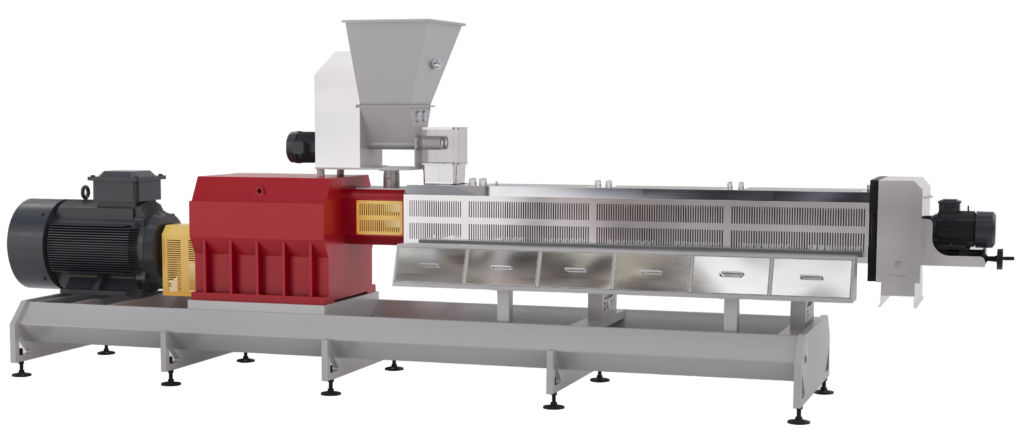
Proper operation of a food twin-screw extruder requires more than simply turning it on and feeding material through. The machine is a precision processing system where screw speed, temperature, feed rate, and moisture content interact continuously to determine product quality, equipment longevity, and operational safety. Standardization—following documented procedures at every stage from pre-start checks through shutdown—is what separates consistent production from costly trial and error. 1. Pre-Start Preparation and Safety Checks Before any material enters the barrel, the equipment and work area must be verified as ready. Operators should confirm that all materials are available to meet product specifications and that cleaning and maintenance requirements have been completed according to […]
What preparations are needed to open a dog food factory
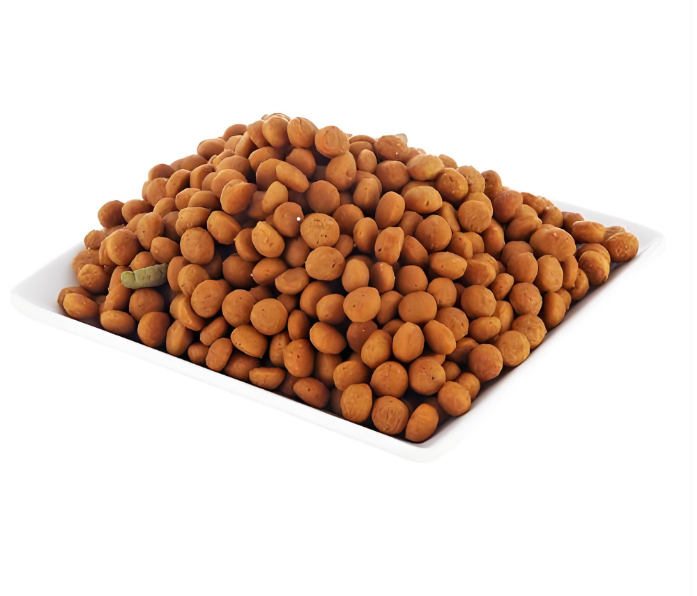
Starting a dog food factory requires navigating a complex landscape of regulatory compliance, specialized equipment procurement, and meticulous facility design. The barriers to entry are substantial, but the process can be broken down into distinct phases: regulatory groundwork, facility and equipment planning, and operational readiness. 1. Regulatory Compliance: The First and Most Critical Step Before signing a lease or ordering equipment, you must understand the legal framework governing pet food production in your target market. In the United States, the Food and Drug Administration (FDA) regulates animal food under the Federal Food, Drug, and Cosmetic Act, with additional oversight from state agencies and the Association of American Feed Control Officials […]
Critical Considerations in Breakfast Cereal Processing: A Technical Overview
Breakfast cereal manufacturing is a complex sequence of unit operations where small errors in process control can cascade into major quality defects. From raw material selection through extrusion, drying, tempering, and toasting, each stage presents distinct challenges that processors must manage to achieve consistent product quality, safety, and shelf stability. Raw Material Selection and Formulation The foundation of any breakfast cereal is the grain itself. Wheat, corn, rice, oats, and barley are the primary cereals used, with whole wheat grains typically employed for flaked cereals and soft white wheat for shredded products . The choice of grain variety and its protein content significantly affects processing behavior and final texture. Higher […]
Inside the Twin-Screw Extruder: The Machine That Turns Rendering Waste into Kibble
If you want to understand how commercial pet food is actually made, you have to understand the machine at the center of it. snack food extruder The twin-screw extruder is the industrial workhorse that transforms rendered protein meals, grains, and additives into the uniform brown nuggets sitting in bags on grocery store shelves. It is also a piece of equipment designed with one overriding priority: continuous, high-volume production. Every component reflects that priority. The Screws: The Heart of the Machine The defining feature of a twin-screw extruder is, obviously, the two screws. These are not simple augers. They are modular assemblies built from dozens of individual elements stacked onto a […]
Exposing the Dark Truth Behind Pet Food Processing

The $100 billion global pet food industry relies on a simple premise: pet owners trust that what they buy will nourish their animals. That trust is exploited daily through a sophisticated system of ingredient adulteration, fraudulent labeling, and regulatory evasion. The Rendering Reality At the heart of most commercial pet food lies a process called rendering. The pet food industry and its trade associations frame this as an environmental triumph—recycling animal by-products that would otherwise go to waste. While technically true, this framing obscures a darker reality. Rendering converts slaughterhouse waste, including organs, bones, blood, feathers, and fat trimmings, into protein meals through high-heat processing. These rendered meals, labeled as […]
Inside the Dog Food Factory: What Really Happens to Your Dog’s Kibble

Walk down any pet food aisle and you’ll see bags covered in pictures of fresh chicken, garden vegetables, and wholesome grains. The marketing suggests something close to home cooking. The reality of how most commercial dog food is actually made tells a different story. The vast majority of dry dog food on the market is produced through a process called extrusion, a high-temperature, high-pressure manufacturing method that transforms a slurry of ingredients into the familiar kibble shapes dogs eat every day. Understanding this process—from raw material sourcing to the final oil coating—reveals important truths about what’s in the bag. The Rendering Room: Where “Meat” Begins Before any kibble takes shape, […]
How to Choose Pet Food Equipment: A Practical Guide for Processors
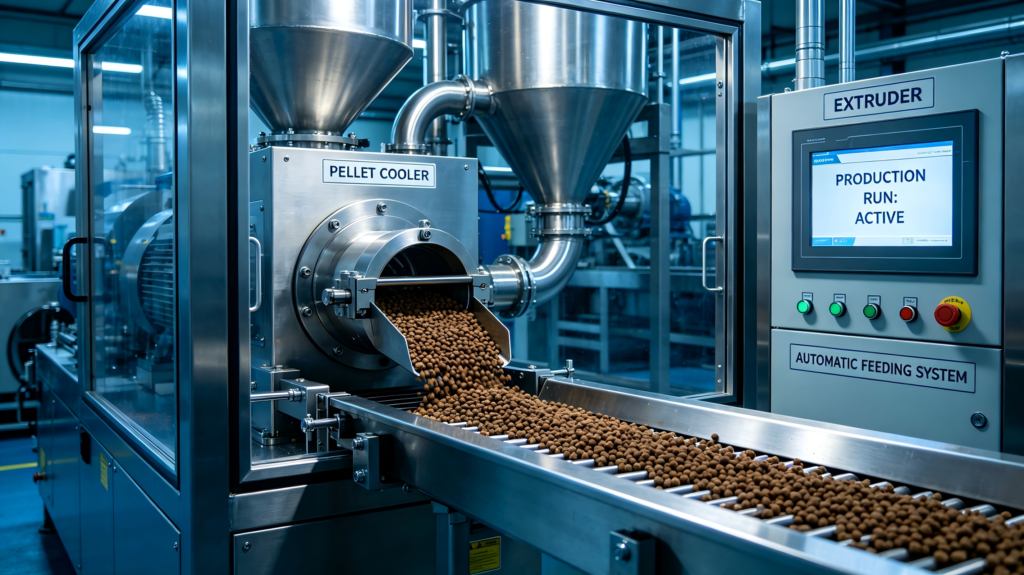
Introduction The pet food industry has experienced remarkable growth over the past decade, driven by increasing pet ownership and a growing willingness among consumers to invest in premium nutrition for their animals. For entrepreneurs and established manufacturers alike, entering or expanding in this market requires a critical decision: selecting the right processing equipment. The choice is not merely about buying a machine—it determines production capacity, product quality, operational costs, and ultimately, the viability of the business. Pet food equipment encompasses a range of machinery designed for grinding, mixing, extrusion, drying, coating, and packaging. The specific configuration depends on the type of product being manufactured—dry kibble, wet food, treats, or specialized […]
The Anatomy of a Twin-Screw Extruder: A Component-by-Component Guide
Introduction The twin-screw extruder is the workhorse of modern polymer, food, and pharmaceutical processing. Unlike single-screw extruders, which rely primarily on friction to convey material, twin-screw extruders use two intermeshing screws to positively displace material from the feed port to the die. This positive displacement principle, combined with a modular design that allows the screw configuration to be customized for specific applications, makes the twin-screw extruder an extraordinarily versatile processing tool. A twin-screw extruder consists of several major systems working in concert: the drive system, the barrel, the screw shafts and elements, the die, and the control system. This article examines each component in turn, explaining its function and how […]
Puffed Breadcrumbs: Advantages and Applications

Extruded breadcrumbs, produced through extrusion cooking rather than traditional fermentation and baking, have emerged as a functionally superior alternative for coating and snack applications. This article examines the specific advantages of extruded breadcrumbs and their expanding range of applications in the food industry. What Are Extruded Breadcrumbs? Extruded breadcrumbs are manufactured by feeding a mixture of starchy materials—typically flour, water, and optional additives—through a screw-type extruder. Under conditions of high temperature, pressure, and shear stress, the material is cooked, gelatinized, and shaped as it passes through a die. The extrudate is then cut, dried, and milled into crumb particles . Unlike conventional breadcrumbs, which require fermentation, baking, cooling, and grinding, […]
Breadcrumb Processing: A Comprehensive Guide to Industrial Manufacturing

Breadcrumbs are far more than a pantry staple; they are a precisely engineered food ingredient whose functional properties determine the texture, appearance, and shelf life of countless coated and baked products. This guide covers the full manufacturing spectrum, from raw material selection through baking, drying, milling, and quality control, with reference to the distinct processing routes used for American, Japanese, and gluten-free breadcrumbs. 1. Raw Material Selection and Formulation The foundation of consistent breadcrumb quality begins with flour specification. Hard wheat flour with a protein content of approximately 10.5–12.5% is generally preferred for crumb structure development, though soft wheat flour may be used in blends . Gluten-free production requires alternative […]
 Japanese
  English
  Russian
  Spanish
  Italian
  Arabic
  Portuguese
  German
  French
  Moroccan Arabic
  Persian
  Belarusian