
A Complete Guide to Processing Dog Food

Introduction Dog food is made to meet the nutritional needs of dogs at different life stages. It also has to be safe, palatable, and stable in storage. dog food extruder Dry kibble is the most widely sold format. It is made mainly by extrusion, and it is the focus of this guide. Wet, baked, and […]
A Complete Guide to Processing Corn Flakes Breakfast Cereal

Introduction Corn flakes are one of the most recognizable breakfast cereals in the world. They are thin, crisp, golden flakes made from cooked, flaked, and toasted corn. breakfast cereal making machine They look simple, but making them takes careful control of raw materials, cooking, tempering, flaking, and toasting. Each stage affects flavor, color, texture, bowl […]
How to Control the Degree of Expansion in Puffed Snack Foods
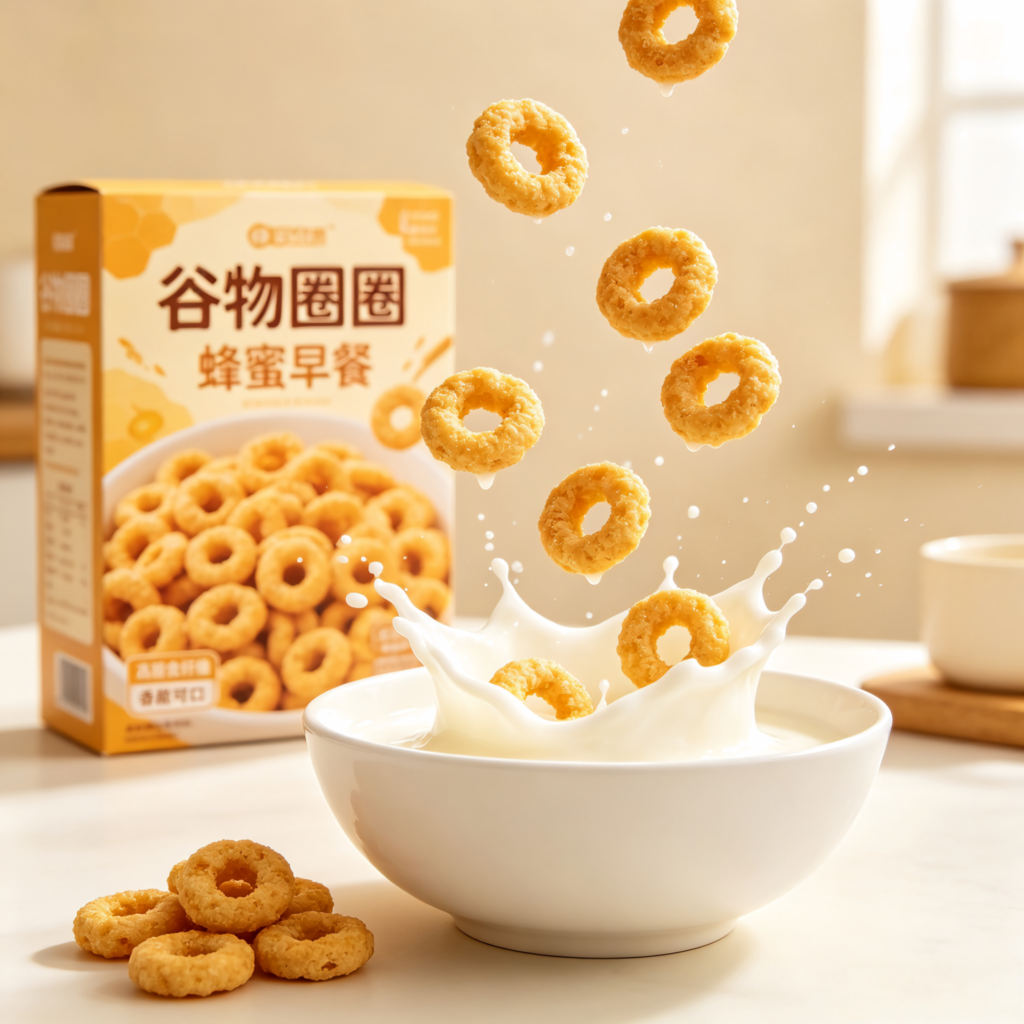
IntroductionExpansion, often called “puffing,” is the defining quality of snacks such as corn puffs, extruded cereals, rice crackers, and prawn chips. The degree of expansion affects texture, bulk density, crispness, oil absorption, and how consumers perceive the product. Too little expansion gives a hard, dense bite. Too much can make a product fragile, hollow, or […]
The Architecture of Crunch: How Air Cells Shape the Texture of Puffed Snacks
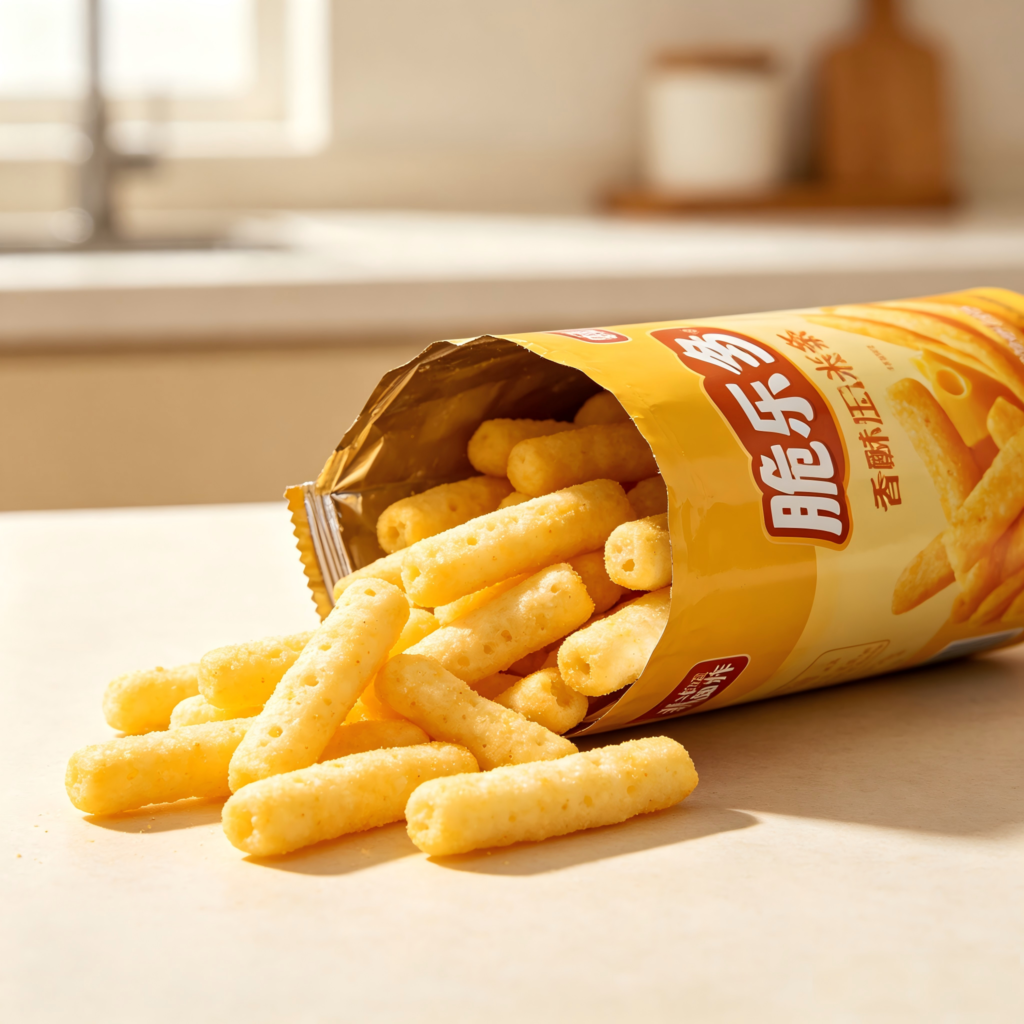
When you bite into a puffed snack, you are not simply chewing a solid mass of starch—you are crushing a delicate, foam-like structure filled with thousands of tiny air cells. corn puffs machine These air cells, or pores, are the defining structural feature of puffed foods, and their size, distribution, shape, and wall thickness collectively […]
The Science of the Crunch: Factors Influencing the Texture of Puffed Snacks
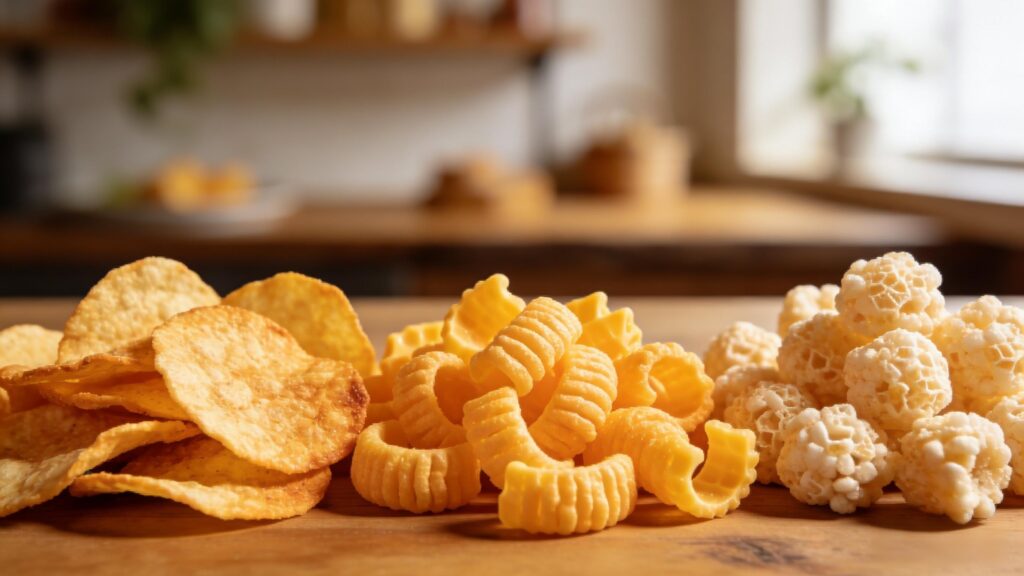
Puffed snacks—from cheese curls and potato chips to rice cakes and cereal puffs—are beloved for their light, airy, and satisfyingly crispy texture. corn puffs extruder But have you ever wondered why one brand of cheese puff melts in your mouth while another is unpleasantly hard? The texture of a puffed snack is not a matter […]
Preparing to Make Fish Feed: What You Need to Know Before You Start
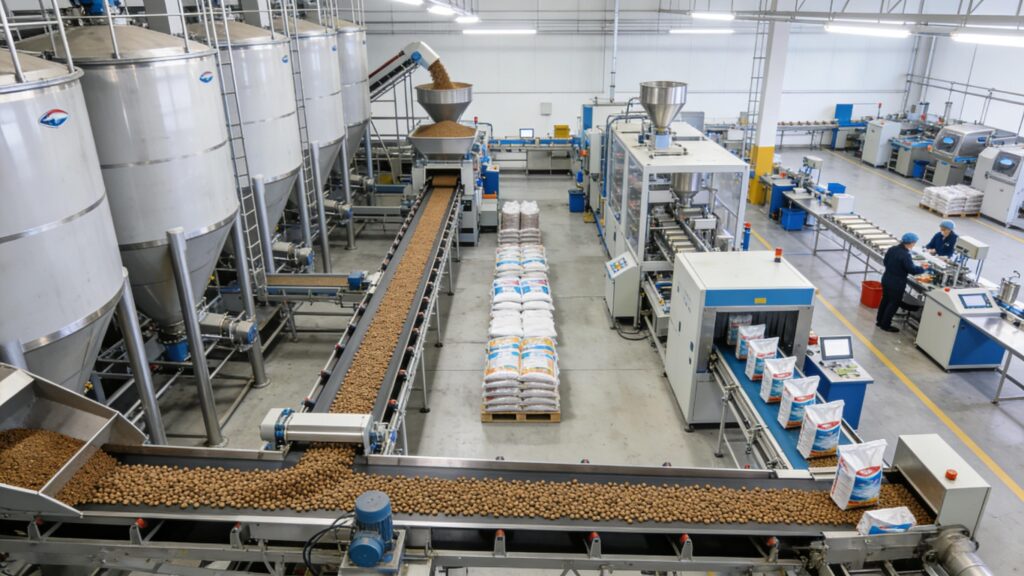
Making fish feed is not simply a matter of grinding ingredients and pressing them into pellets. Whether you intend to produce feed on a small scale for your own pond or to establish a commercial feed mill, the preparatory work spans nutrition science, equipment selection, facility design, regulatory compliance, and quality management. Many first-time producers […]
From Raw Material to Sinking or Floating Pellet: The Complete Fish Feed Manufacturing Process
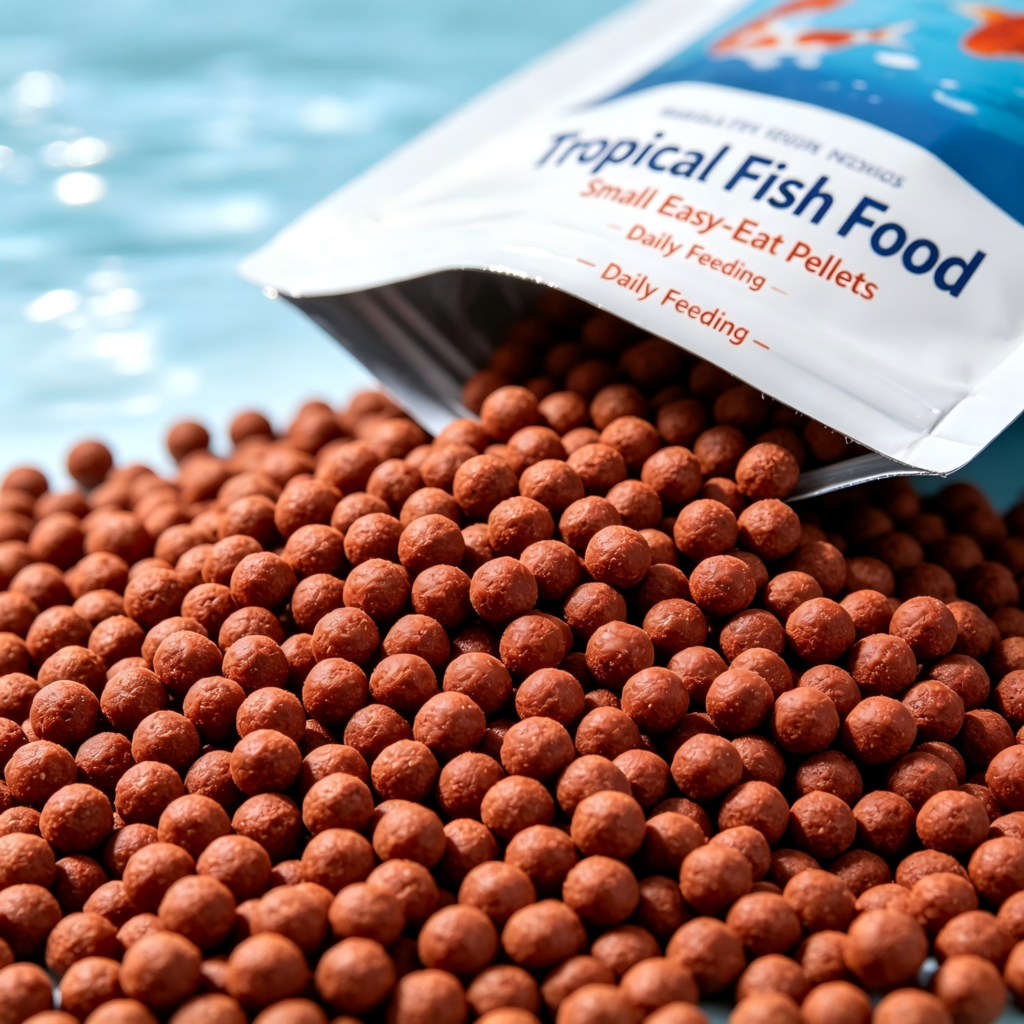
Fish feed production is a precision-oriented industrial process that transforms raw agricultural and marine ingredients into nutritionally balanced, water-stable pellets. fish pellet making machine Unlike terrestrial animal feed, aquafeed must account for the physical environment of water—pellets must either float, sink slowly, or sink rapidly depending on the target species, while resisting disintegration long enough […]
How to Maintain a Twin-Screw Extruder: A Practical Guide
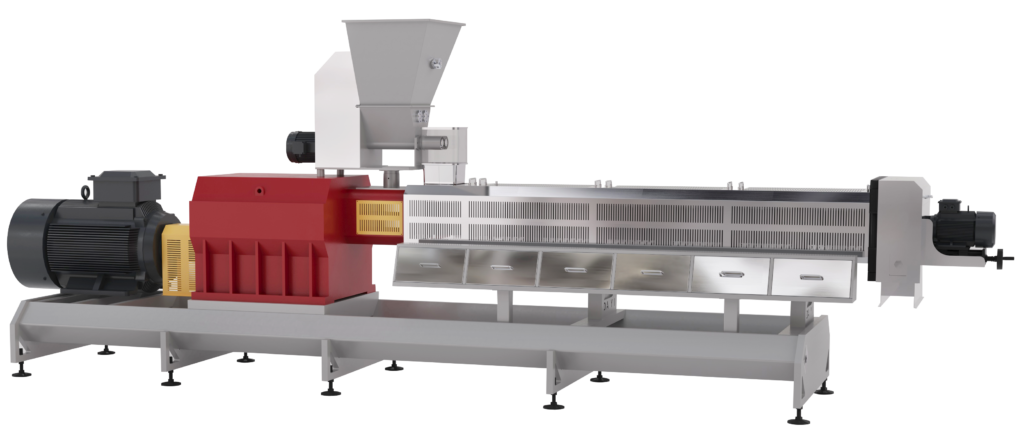
A twin-screw extruder is a substantial capital investment, and its service life depends far less on the quality of the initial purchase than on how it is treated day to day. The same model can run reliably for a decade in one plant and fail repeatedly within three to five years in another. The difference […]
How Corn Flakes Are Made: From Field to Breakfast Bowl

Corn flakes are one of the world’s most familiar breakfast cereals, yet the process behind their crisp, golden flakes is a carefully controlled combination of food science and industrial engineering. What follows is a step-by-step account of how raw corn is transformed into the product found in supermarkets. 1. Raw material preparation The process begins […]
The Crucial Role of Moisture: How Water Content Defines the Texture of Puffed Snacks
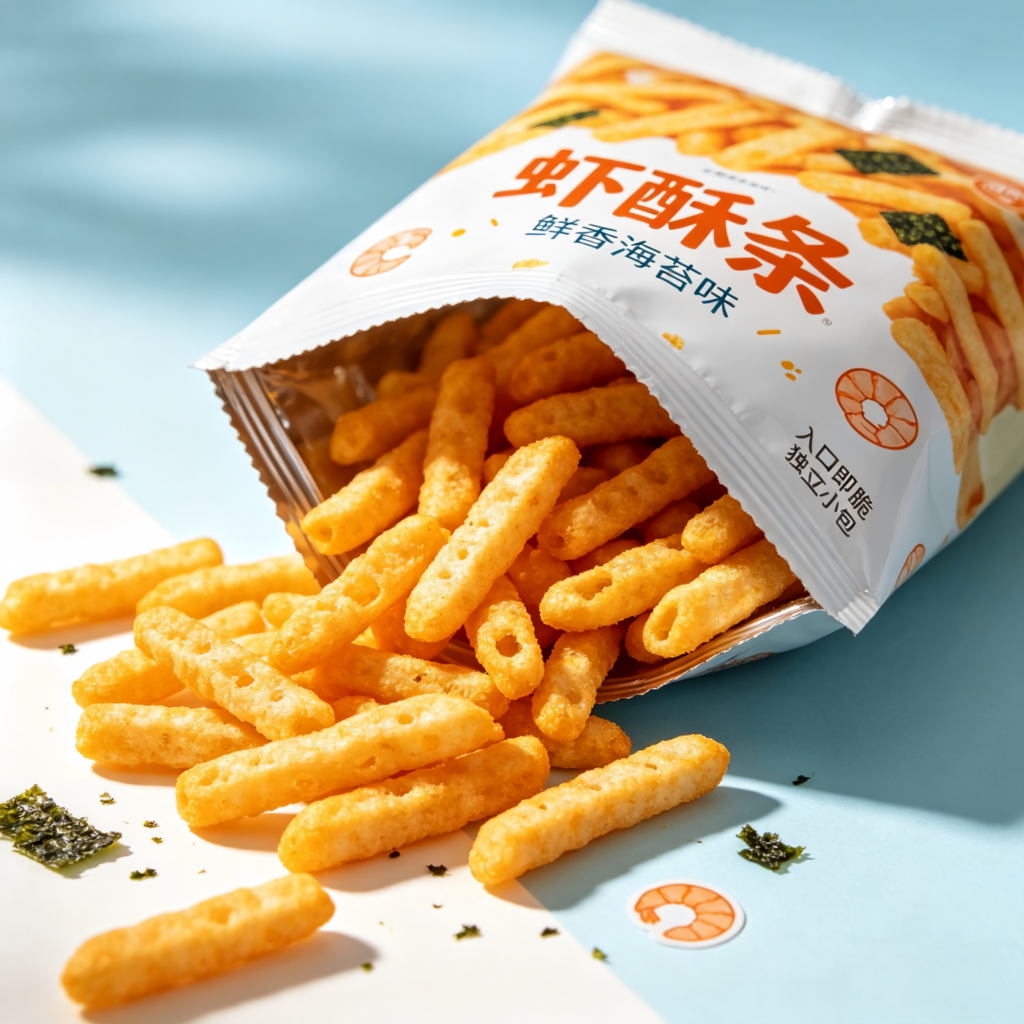
The satisfying crunch of a cheese puff, the delicate melt-in-your-mouth quality of a rice cake, or the crisp snap of a prawn cracker—these are the textures that define our love for puffed snacks. While many factors contribute to these sensory experiences, one of the most critical and often overlooked is moisture content. Far from being […]
The entire process of processing bugles

The Bugle is not a simple extruded puff. It is a sheet that is formed, embossed, laminated, and then cut into a cone shape before frying. The process is closer to a high-speed stamping operation than to the direct-expansion extrusion used for a cheese curl. What follows is an account of how the cone is […]
The Two Fundamental Textures: American vs. Japanese

The shape of breadcrumbs is not determined by a single mold or cutter. Instead, it is the result of a series of choices made before and after baking: how the dough is sheeted, how it is baked, and how the finished bread is milled. To make breadcrumbs of different shapes, you must change the structure […]
 French
 English
 Russian
 Spanish
 Italian
 Arabic
 Portuguese
 German
 Japanese
 Moroccan Arabic
 Persian
 Belarusian