
The flavoring of breakfast cereal is a sophisticated interplay of food science, culinary artistry, and industrial engineering. Far from a simple sprinkle of sugar or dusting of cinnamon, the process involves multiple strategic approaches to ensure that every puff, flake, or loop delivers a consistent, appealing, and long-lasting taste experience. The methods employed fall into three broad categories: internal flavoring, external coating, and post-consumer customization.
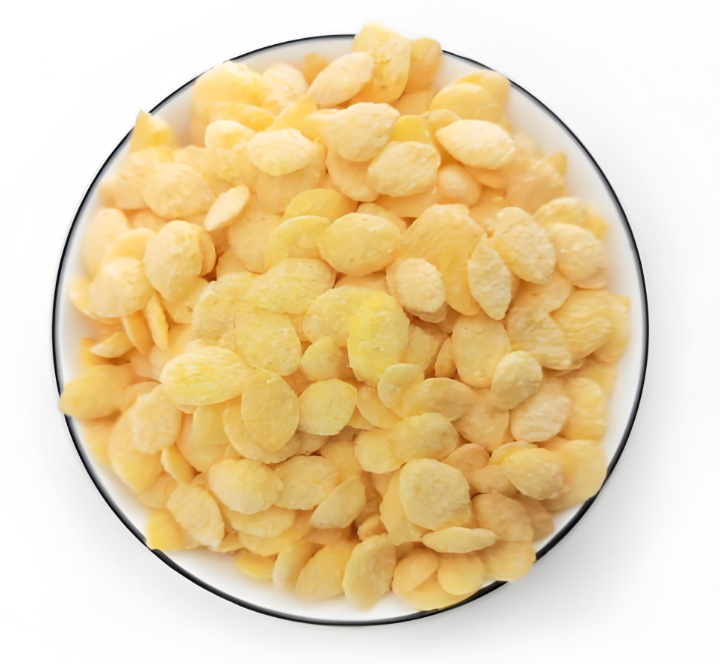
Internal Flavoring: Building Taste from the Inside Out
The most foundational approach to flavoring occurs during the cereal’s formation. By incorporating flavoring agents directly into the dough or slurry before it is cooked and shaped, manufacturers create a base taste that is integral to every bite.
Ingredient Selection and Formulation
The raw materials themselves are the primary source of inherent flavor. The choice of grains—corn, wheat, oats, or rice—establishes the cereal’s baseline profile. However, to achieve more complex tastes, manufacturers blend in other components. For instance, research has explored using partially defatted peanut flour in extruded corn flakes to introduce a nutty note, with sensory panels finding that up to 20% roasted peanut flour substitution maintained consumer acceptability while altering flavor intensity.

Similarly, the challenge of incorporating nutritious but bitter-tasting ingredients like whole grains or legumes requires sophisticated solutions. A breakthrough approach involves the use of natural flavor-modulating compounds, such as apigenin O-glycosides, which effectively block or mask bitter flavors. This allows manufacturers to significantly reduce the need for added sugars and salts while still producing a palatable product. This addresses the crucial trade-off between health and taste, particularly relevant as consumers demand cleaner labels.
The Extrusion Effect
In extruded cereals, the intense heat, pressure, and shear of the extrusion process are not just for shaping; they actively cook the ingredients and trigger Maillard reactions, which produce roasted, nutty, and toasted flavor notes. The addition of ingredients during this stage can significantly impact the final product. Studies on corn-soy cereals showed that increased sugar and feed moisture levels decreased sensory product expansion but increased texture properties, while 10% added sugar actually enhanced sensory corn flavor and diminished soybean flavor.
External Coating: The Art of the Finish
The most recognizable form of cereal flavoring is the application of a coating after the base cereal piece is cooked and dried. This is how signature sweet and fruity flavors are applied and is a process meticulously engineered for precision.

The Coating Composition
A typical flavor coating is a complex, multi-component liquid. For fruit-flavored cereals, the coating can be predominantly fruit-based. A patented fruit composition for coating farinaceous (starch-based) cereals comprises 60-95% fruit source (such as concentrate or puree), 0.01-0.5% emulsifier, 0.5-4% oil, 2-5% dietary fibers, and 1-35% water.
The dietary fibers serve a crucial functional role beyond nutrition: they prevent the coated cereal pieces from sticking together and forming clumps, ensuring the final product remains free-flowing. The oil component, which may include a small proportion of essential oil for flavor enhancement, helps with flavor dispersion and texture.
The Coating Process
The process of applying this coating is a delicate operation. The prepared coating solution is typically sprayed onto the cereal pieces via spray nozzles as they tumble in a large rotating drum, ensuring even coverage. The cereal must be at the right temperature and moisture level to accept the coating.
Older patents reveal the evolution of this technique. One method involved wetting the cereal surface with a sugar solution, sprinkling a particulate flavoring composition (like ground hard candy) onto it while still wet, and then drying the product. This creates a distinct, sugar-based flavored shell.
The key to successful coating is minimizing flavor loss. Innovations focus on formulations where the flavoring solution contains a “flavor-retaining substance” to prevent valuable volatile flavor compounds from being lost during the atomization and drying stages.

Post-Consumer Customization: The Final Frontier
An emerging trend shifts the flavoring control to the consumer. Patents describe highly concentrated liquid flavorings, packaged in small dropper or spray bottles, that allow individuals to add a custom dose of flavor directly into their bowl of milk or onto the cereal itself.
This method offers several advantages:
- Personalization: Consumers can choose from a variety of flavors (cherry, vanilla, lemon, etc.) to suit their taste.
- Control: They can adjust the flavor intensity drop by drop.
- Convenience: It eliminates the mess of powders and avoids leftover, diluted flavorings.
- Healthier Options: It allows health-conscious consumers to enjoy unsweetened cereals while adding flavor, avoiding the high sugar content of pre-coated products.
Conclusion: A Symphony of Techniques

The flavoring of breakfast cereal is far from a one-dimensional task. It is a multi-layered process that begins with the selection of grains, continues through the chemistry of extrusion and the engineering of coatings, and even extends to the consumer’s own kitchen. Each method—whether it involves integrating flavor-modulating compounds to mask bitterness, applying a precisely formulated fruit-based glaze, or empowering the consumer to add their own liquid flavor drops—plays a critical role in creating the diverse and appealing world of breakfast cereals we know today. The industry continues to innovate, balancing the demands for health, convenience, and irresistible taste in every bowl.
 Japanese
  English
  Russian
  Spanish
  Italian
  Arabic
  Portuguese
  German
  French
  Moroccan Arabic
  Persian
  Belarusian