
Factors Influencing the Mouthfeel of Puffed Snacks

Mouthfeel—the tactile sensation food produces in the mouth—is one of the most important quality attributes of puffed snacks. snacks machinery Consumers expect a light, crispy, and melt-in-the-mouth experience, and any deviation can significantly affect acceptability. The mouthfeel of puffed snacks is a complex, multi-factor property shaped by raw materials, processing conditions, structure, and storage. This […]
Why the Puffing Machine Is a Truly Multifunctional Machine
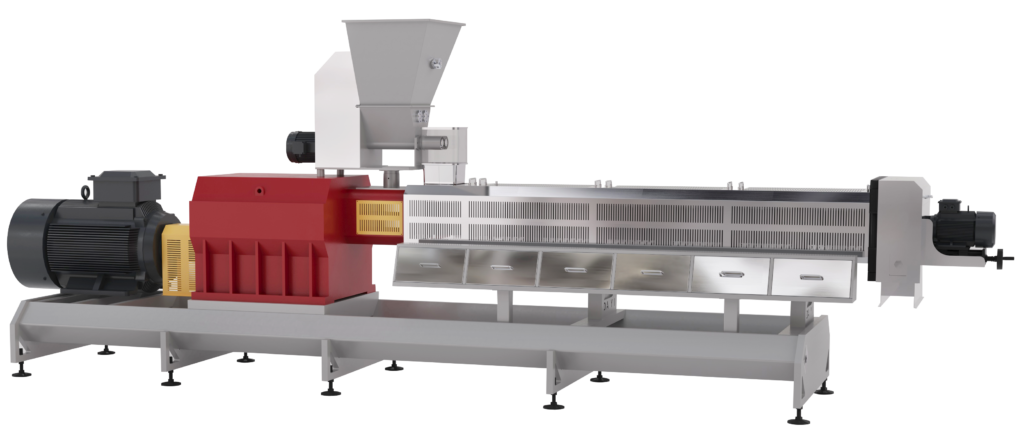
In the world of food processing and manufacturing, few machines offer the range of capabilities found in the modern puffing machine. Often associated only with snack foods, the puffing machine—more precisely known as the extrusion puffing machine—is in fact a highly versatile piece of equipment whose applications extend far beyond a single product category. This […]
How Breakfast Cereal Is Made: A Detailed Look at Industrial Production

Breakfast cereal production transforms raw grains—most commonly corn, wheat, rice, and oats—into the crisp, shelf-stable flakes, puffs, and clusters that fill supermarket aisles. While the exact process varies by cereal type, most ready-to-eat (RTE) cereals follow a core sequence: grain preparation, cooking, forming, drying or toasting, coating, and packaging. The following sections detail the methods […]
Inside the Kukure Process: A Complete Guide to How Extruded Corn Curls Are Actually Made

Important clarification first: “Kukure” is not a fresh-cut potato chip. It is an extruded corn-based snack, often grouped with products like Cheetos, Nik Naks, and Kurkure—twisted, irregular, crunchy sticks made from corn grits or corn meal rather than sliced potatoes . The name appears in equipment catalogs alongside those products as a generic label for […]
Troubleshooting the Puff: Common Production Problems in Extruded Snacks
Puffed snacks seem effortless on the shelf—light, crisp, uniform—but the extrusion line behind them is a narrow window of stability. The same screw that must cook, shear, and shape a starch matrix in seconds is also prone to surging, clogging, and producing dense, hard pellets instead of airy pillows. Most production failures cluster around a […]
From Oven to Electrode: How Breadcrumb Processing Methods Shape Texture and Function

Breadcrumbs appear simple—ground toast or cracker meal—but the manufacturing route determines whether a crumb ends up sandy and fine, light and flaky, or dense and sturdy. Commercial production relies on three broadly distinct approaches: conventional thermal baking followed by grinding, electrical-resistance baking for Japanese panko, and continuous extrusion or rapid non-fermented processes. Each method produces […]
How Nutritional/Fortified Rice Is Processed: A Technical Overview
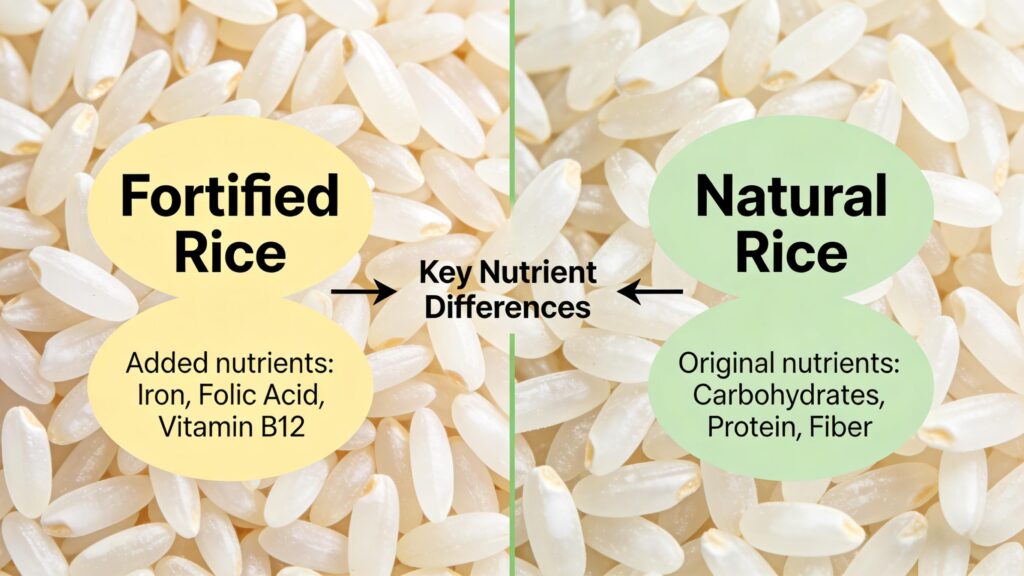
The production of nutritional rice—more precisely termed fortified rice—is fundamentally a remediation technology. Milling removes the bran and germ layers where most vitamins and minerals reside, leaving a polished grain that is energy-dense but nutrient-poor. Fortification seeks to restore or enhance the nutrient content of milled rice without asking consumers to change their staple food. […]
Key Considerations in Cheetos Production: A Technical Overview

Producing Cheetos-style cheese puffs at scale presents a distinct set of manufacturing challenges. Unlike simple fried snacks, these products depend on precise control of moisture, extrusion pressure, and thermal dynamics to achieve their signature light, airy crunch and consistent cheese coating. The following discussion outlines the most critical problem areas that operators and quality assurance […]
How to Produce Delicious Bugles : A Production Guide

Conclusion: Producing delicious Bugles hinges on mastering a two-stage process: extrusion of a dense, smooth cone-shaped pellet, followed by a controlled drying phase that reduces moisture from roughly 20–30% down to about 12% before frying. The signature cone shape comes not from the extruder die alone, but from a dedicated forming machine that rolls and […]
How to Properly Operate a Twin-Screw Food Extruder
Conclusion: Proper operation of a twin-screw food extruder hinges on three non-negotiable practices: meticulous screw assembly and zone-by-zone temperature control, precise management of feed rate and moisture against screw speed, and disciplined monitoring of torque and die pressure. Unlike single-screw machines, twin-screw extruders demand that operators actively manage the balance between mechanical energy (shear) and […]
Preparing to Manufacture Pet Food: A Practical Guide for Factory Setup

Setting up a pet food manufacturing facility is not simply a matter of buying an extruder and renting a warehouse. pet food extruder It is a regulated, capital-intensive undertaking that requires careful sequencing across legal compliance, facility design, personnel qualification, and process engineering. In China, where the regulatory framework has matured significantly since the implementation […]
The Future of Pet Food: Growth, Premiumization, and the Profit Paradox
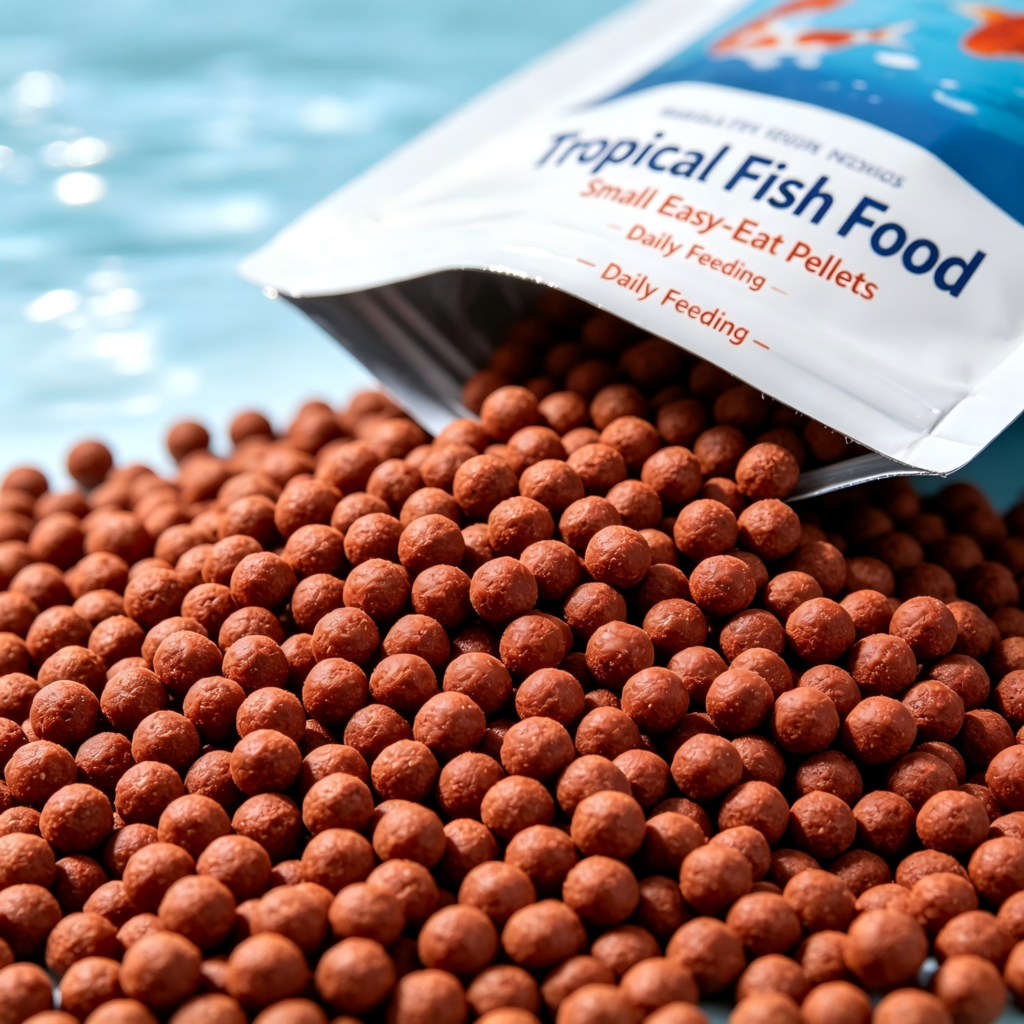
The global pet food industry stands at an inflection point. Valued at approximately US$161.72 billion in 2026, the market is projected to grow at a compound annual growth rate of 4.84% through 2031, driven by deepening emotional bonds between owners and their animals . pet food machinery Yet beneath this seemingly robust expansion lies a […]
 Belarusian
 English
 Russian
 Spanish
 Italian
 Arabic
 Portuguese
 German
 French
 Japanese
 Moroccan Arabic
 Persian