
Introduction
One of the greatest challenges in food fortification is consumer acceptance. If a staple food looks, smells, or tastes different from what people are accustomed to, they are likely to reject it—even if it offers significant health benefits. fortified rice machinery Fortified rice (also known as enriched rice or rice analog) has succeeded largely because modern manufacturing techniques allow it to closely mimic the sensory qualities of natural rice. This article explains the technologies and ingredients used to achieve this “invisible” fortification.
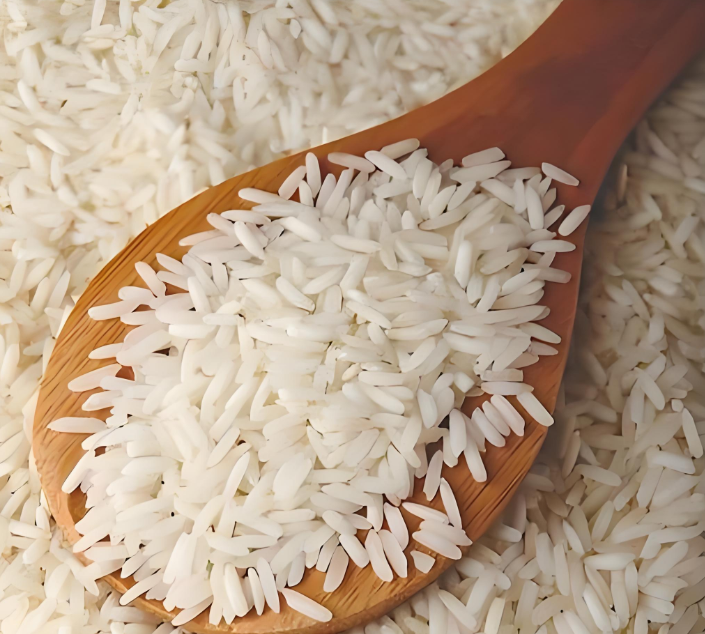
1. Matching the Appearance
The most obvious barrier is visual. Ordinary rice grains are translucent, pearly white (or slightly off-white in the case of brown rice), with a specific size, shape, and surface texture. Fortified rice is typically produced using one of two methods:
- Coating/Enrobing: In this method, vitamins and minerals are dissolved in a liquid solution and sprayed onto ordinary rice grains, fortified rice machinery then dried. To avoid a chalky or discolored surface, manufacturers use food-grade film-forming agents (e.g., modified starches or cellulose derivatives) that create a transparent, glossy layer. This layer seals in the nutrients without altering the grain’s natural color or sheen.
- Extrusion (Making “Rice Analogs”): For higher nutrient loads, manufacturers use extrusion. Rice flour is mixed with water, vitamins, and minerals, then forced through a die that shapes the dough into rice-like kernels. To match appearance, producers carefully select rice flour of the same variety (e.g., long-grain or short-grain). The extruded kernels are then steamed and dried to achieve the same opacity, whiteness, and length as untreated rice. Some advanced processes even create artificial “chalk lines” (the fine white streaks seen on real rice grains) to improve visual realism.
Both methods ensure that when dry, fortified rice grains are virtually indistinguishable from ordinary rice to the naked eye.
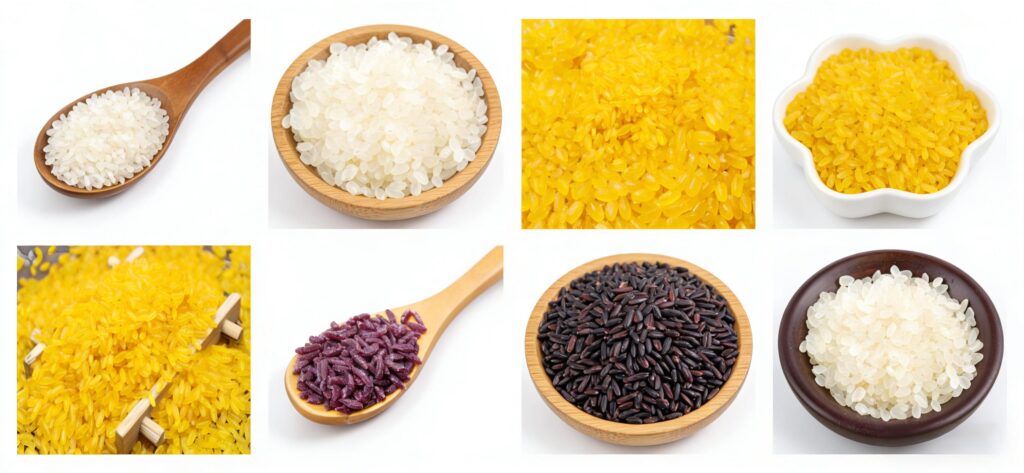
2. Replicating the Texture and Mouthfeel
Cooking transforms rice, and texture is where many fortified products historically failed—becoming sticky, mushy, or overly firm. Today, several solutions exist:
- Use of Native Starches: Extruded fortified kernels are made primarily from broken rice grains or rice flour, which contain the same amylose-to-amylopectin ratio as whole rice. This ensures that the kernels expand, soften, and separate in the same way when boiled.
- Surface Cross-Linking: To prevent the fortified kernels from dissolving or becoming gummy, manufacturers apply a mild cross-linking treatment (using safe food-grade agents like calcium or citric acid derivatives). This creates a thin “skin” on each kernel that resists overcooking while allowing water absorption. As a result, the fortified rice does not turn into paste or develop a waxy mouthfeel.
- Mixing with Natural Rice (The “Blending” Approach): Most fortified rice is not intended to be 100% analog. Instead, a small proportion (typically 0.5–2%) of highly fortified extruded kernels is blended with 98–99.5% ordinary rice. At this low ratio, the fortified grains are so few and far between that they do not alter the overall texture of the cooked dish. Consumers experience the same firm yet tender bite they expect.
- Oil or Emulsifier Coatings: For coated rice, a microscopic layer of vegetable oil or a food emulsifier (e.g., mono- and diglycerides) is added after drying. This prevents clumping during cooking and maintains the separate, fluffy grain structure characteristic of well-cooked rice.
3. Neutralizing Off-Flavors and Preserving Aroma
Vitamins and minerals—especially iron, zinc, and B-complex vitamins—often have metallic, bitter, or sulfurous notes. If these flavors leach into the rice, the result is unacceptable.

- Microencapsulation Technology: This is the single most important innovation. Nutrient compounds are encapsulated within a tasteless, heat-stable shell made of lipids (fats), starches, or food-grade polymers. The shell remains intact during cooking, preventing the vitamins from contacting taste buds until after the rice is swallowed. Only when the shell is broken by digestive enzymes in the stomach are the nutrients released.
- pH Adjustment: The cooking water’s pH can affect flavor release. By adding trace amounts of buffering agents (e.g., sodium citrate or calcium carbonate) to the fortified rice during production, the final cooked rice maintains a neutral pH of around 6.5–7.0, avoiding acidic or alkaline off-tastes.
- Aroma Retention: Ordinary rice has a subtle, starchy, slightly nutty aroma (with basmati and jasmine varieties having distinctive floral notes). During fortification, especially in extrusion or coating, volatile aroma compounds can be lost. To counter this, manufacturers may add back natural rice flavor extracts or simply rely on the fact that the 98% ordinary rice in the blend provides the full aromatic profile. For 100% fortified rice products, a tiny amount (parts per million) of natural 2-acetyl-1-pyrroline—the compound responsible for the popcorn-like scent of aromatic rice—can be reintroduced.
- Testing for Rancidity: Fat-soluble vitamins (A, D, E) can become rancid over time, producing unpleasant odors. Modern fortified rice uses stabilized vitamin forms and oxygen-barrier packaging (e.g., nitrogen-flushed bags) to prevent oxidation, ensuring that the rice smells fresh even after months of storage.
4. Cooking Behavior: The Final Test
No matter how good the dry rice looks, fortified rice machinery consumers judge by the final meal. Fortified rice must behave identically to ordinary rice:
- Water Absorption Ratio: Both coated and extruded fortified rice are engineered to absorb 1.5–2.5 times their weight in water, just like normal rice.
- Cooking Time: Standard cooking times (15–30 minutes depending on variety) are maintained.
- Residue: Fortified rice should not leave colored streaks, sediment, or foam in the cooking water. Modern formulations ensure that any excess surface nutrients dissolve invisibly.
Conclusion
Today’s fortified rice is the result of decades of food science, from microencapsulation to precision extrusion. By carefully controlling the visual grain structure, using native starches for texture, neutralizing off-flavors with protective shells, and preserving natural aromas, manufacturers have created fortified rice that is sensorially “invisible.” When blended with ordinary rice at recommended ratios, even discerning consumers cannot tell the difference. This sensory neutrality is the key to widespread acceptance and the success of fortified rice as a public health intervention. If you are interested in the fortified rice machinery you can contact me , i will give you good advice and solutions .
1.Will you help us with the installation ?
Yes , We will send engineers to install and debug the equipment, and assist in training your staff.
2.Are you a factory or trading company?
We are a factory.
3.What certificate do you have?
We have ISO and CE certificate.
4.How long is the warranty period?
All of our machines have one year warranty.
5.What’s the main market of your company?
Our customers all over the world.
6.How much production capacity of your company one year?
This depends on your needs.
 French
  English
  Russian
  Spanish
  Italian
  Arabic
  Portuguese
  German
  Japanese
  Moroccan Arabic
  Persian
  Belarusian