
The global pet food industry stands at an inflection point. Valued at approximately US$161.72 billion in 2026, the market is projected to grow at a compound annual growth rate of 4.84% through 2031, driven by deepening emotional bonds between owners and their animals . pet food machinery Yet beneath this seemingly robust expansion lies a more complicated reality: volume growth is slowing, profit margins are under pressure, and the rules of competition are being rewritten by premiumization, digital-native brands, and shifting demographics.

A Market Driven by Humanization, Not Just Population Growth
The most powerful engine behind pet food’s resilience is the humanization of companion animals. Pets are increasingly treated as family members, and owners are translating that emotional attachment into purchasing decisions that mirror their own dietary priorities—clean labels, functional benefits, and transparent sourcing . pet food machinery In China, pet food accounted for 53.7% of the total urban pet consumption market in 2025, which itself reached RMB 312.6 billion . Globally, premium cat and dog food alone contributed US$59.8 billion in value sales in 2025, with projections reaching US$70.8 billion by 2030 .
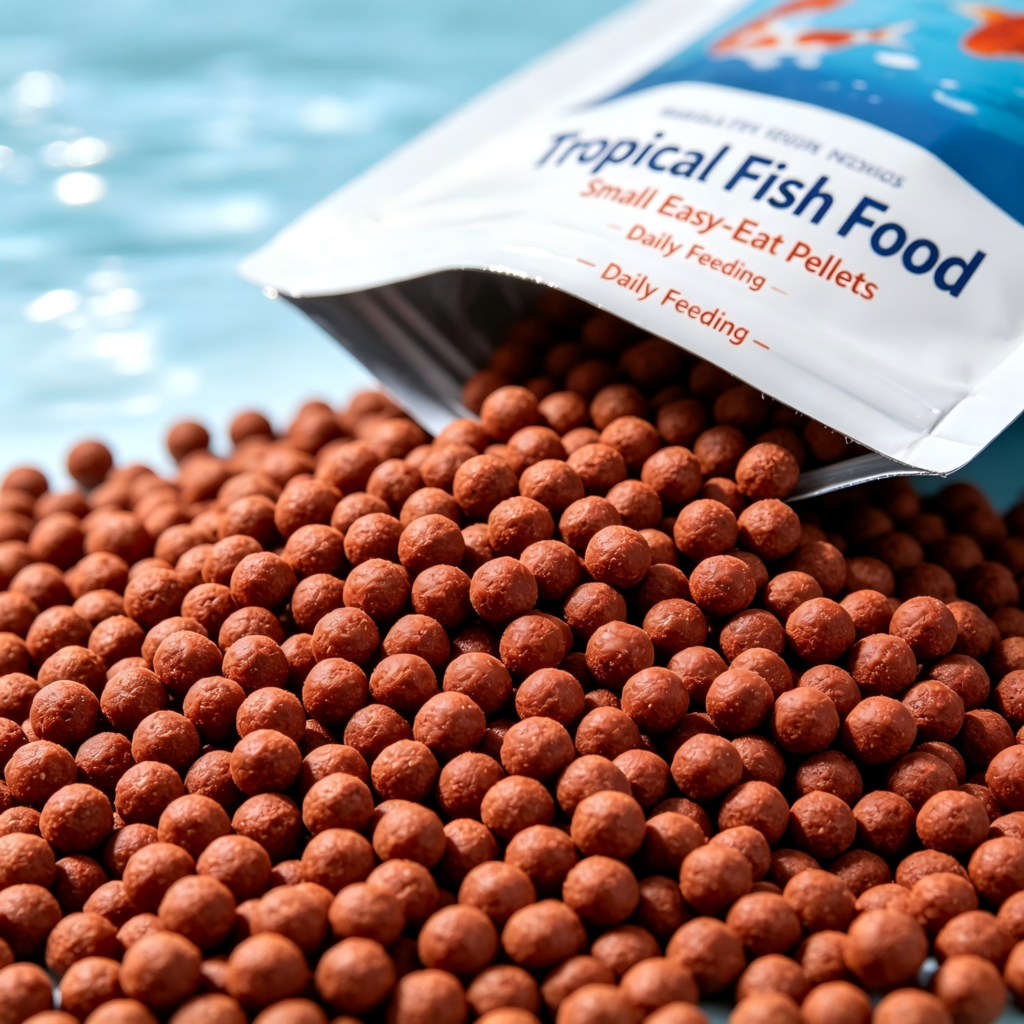
This premiumization is not merely a pricing strategy; it is a structural shift. Traditional kibble is losing ground to freeze-dried, baked, and fresh formats, while functional ingredients once reserved for human nutrition—probiotics, lactoferrin, novel proteins—are becoming standard in high-end pet diets . In China, premium formats expanded by 18–22% in 2024, commanding price premiums of 40–60% over conventional kibble .
The Volume Dilemma and the Profit Squeeze
However, value growth is masking a quieter problem: volume expansion is decelerating. Economic pressures have made pet owners more price-sensitive, particularly in economy and mid-tier segments. Euromonitor data indicates that while global pet care value is forecast to rise 18.5% between 2025 and 2030, volume will grow only 11.7% over the same period .pet food machinery In China, the growth rate of urban pet dog and cat populations has fallen to 1.6–1.9%, less than half the pace of previous years, signaling that the demographic tailwind that once powered the industry is fading .
This tension between rising value and stagnant volume has produced a visible profit paradox among major players. Chinese pet food leaders like Gambol Pet Group and China Pet Foods have reported revenue growth alongside sharp declines in net profit—Gambol’s net profit fell nearly 50% in the first half of 2026 despite a 10% revenue increase . The cause is twofold: heavy marketing spending to build domestic brands, and the erosion of overseas OEM business as Southeast Asian competitors undercut prices and Western demand softens . The industry is discovering that premiumization without pricing power is an expensive proposition.
Regional Dynamics: Maturity in the West, Conversion in the East
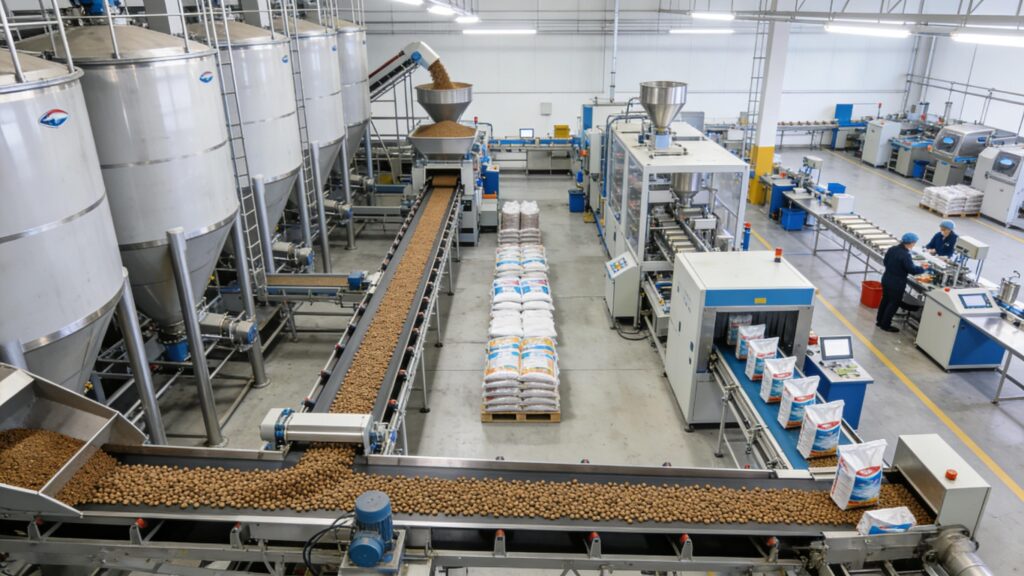
Geographically, the market’s center of gravity remains North America, which held a 44.1% share of global pet food value in 2025 . Investment continues to flow into large-scale manufacturing: Purina opened a US$550 million facility in Ohio in 2026, while Mars invested US$450 million in a Royal Canin plant in Lewisburg . Europe remains significant but slower-growing, its mature base and deep private-label capacity limiting upside. Africa, by contrast, is the fastest-growing region at an 8.1% CAGR from 2026 to 2031, albeit from a small base, as commercial pet food penetration rises with urban incomes .
China occupies a distinctive middle ground. Its pet food market was valued at US$12.73 billion in 2025 and is forecast to reach US$20.75 billion by 2031, growing at 8.47% annually . Yet the country’s pet ownership penetration in tier-1 cities has already approached levels seen in Japan and South Korea, while lower-tier markets lack the disposable income to sustain the same pace of premium upgrade . The opportunity is immense, but the easy growth is over.
Structural Shifts: DTC, Regulation, and the Battle for Trust
Two forces are reshaping how pet food reaches consumers. First, direct-to-consumer digital-native brands have captured roughly 12–15% of China’s market by selling through Tmall, JD, and Xiaohongshu, using livestreaming and subscription bundles to compress the path from discovery to purchase . These brands iterate quickly and cultivate intimacy with consumers in ways traditional retail cannot match. Second, regulatory tightening is raising the bar for everyone. China’s launch of its first comprehensive nutritional guideline for complete pet food in 2026 signals a shift toward science-based standards and traceability, which should strengthen consumer confidence but also increase compliance costs for smaller players .
The Road Ahead: Opportunity Tempered by Discipline
The pet food industry’s long-term trajectory remains upward. The emotional bond between humans and animals is not a cyclical fad, and as emerging markets urbanize and pet ownership spreads, hundreds of millions of animals will transition from table scraps to commercial nutrition. Brazil alone illustrates the scale of this conversion opportunity: only 45% of its pets consumed commercial food in 2025 .
Yet the era of indiscriminate growth is closing. Success will belong to companies that can balance premium innovation with cost discipline, build brand loyalty that justifies higher prices, and navigate the volatility of protein inputs and regulatory change. The pet food market is no longer a rising tide that lifts all boats. It is a maturing industry where the winners will be those who understand that feeding a family member is not the same as feeding an animal—and who can deliver on that distinction without sacrificing the margins that keep them in business.
 Persian
 English
 Russian
 Spanish
 Italian
 Arabic
 Portuguese
 German
 French
 Japanese
 Moroccan Arabic
 Belarusian