The $100 billion global pet food industry relies on a simple premise: pet owners trust that what they buy will nourish their animals. That trust is exploited daily through a sophisticated system of ingredient adulteration, fraudulent labeling, and regulatory evasion.
The Rendering Reality
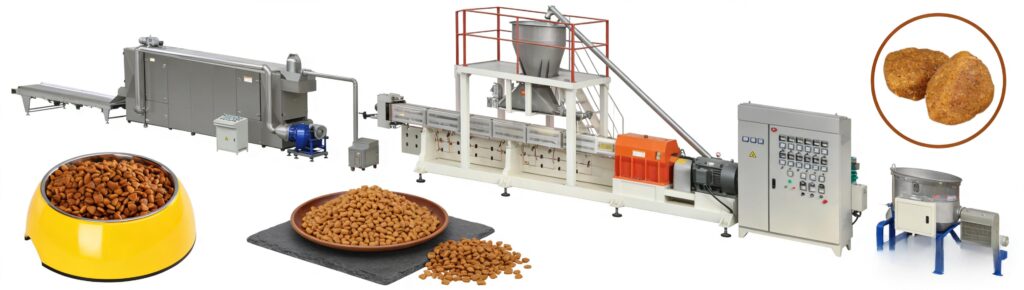
At the heart of most commercial pet food lies a process called rendering. The pet food industry and its trade associations frame this as an environmental triumph—recycling animal by-products that would otherwise go to waste. While technically true, this framing obscures a darker reality. Rendering converts slaughterhouse waste, including organs, bones, blood, feathers, and fat trimmings, into protein meals through high-heat processing. These rendered meals, labeled as “chicken meal” or “meat and bone meal,” are then sold as concentrated protein sources for pet food manufacturers.
The process itself degrades quality. Research demonstrates that high temperatures used in rendering reduce protein digestibility and amino acid availability. One study from Iowa State University found that simulated rendering conditions lowered both protein and energy digestibility in chicken by-product meal. Even the highest-quality rendered meals remain nutritionally inferior to fresh, whole-food ingredients—yet they comprise the foundation of most kibble on the market.

The Fraud Capital
Nowhere is the corruption more brazen than in Hebei Province’s Nanhe District, China’s self-proclaimed “Pet Food Capital,” which produces over 60% of the nation’s pet food. Undercover investigations by state broadcaster CCTV and other outlets have exposed a systematic culture of deception.
Manufacturers openly admit to falsifying protein content on labels. A 4,000-yuan-per-ton dog food claimed 36% crude protein—double the national standard—though the factory owner conceded the number was fabricated entirely: “These numbers are just written however looks good”. The ingredient list undergoes similar creative writing. Products advertising “52% chicken” and “20% fresh chicken breast” contained no fresh meat at all—only chicken meal, or in cheaper products, feather meal that boosts protein readings without providing absorbable nutrition.
Toxins and Cover-Ups
When low-quality ingredients introduce mycotoxins from moldy grains, manufacturers resort to a disturbing solution: adding montmorillonite, a clay-based absorbent used medically to treat poisoning. While small amounts (around 0.2%) are considered acceptable for binding toxins, several producers admitted adding 5% or more to cheap products. An industry insider warned that excessive long-term consumption could cause kidney failure in pets.
The fraud extends to geography. Because “Hebei” pet food carries a reputational stain, some factories simply print different origins on the packaging—Shandong, Hunan, or anywhere more palatable to consumers. The product inside remains identical.
Regulatory Failures
Weak enforcement enables the fraud. One company cited in the CCTV investigation had been fined multiple times for using unauthorized feed additives and producing substandard products, yet continued operations until the media exposé triggered a temporary shutdown. The typical penalty—fines of a few thousand dollars—amounts to a rounding error against the profits from selling cheap feed at premium prices.
The problem is not uniquely Chinese. U.S. Food and Drug Administration warning letters reveal similar failures at American facilities: inadequate cooking validation, pathogen contamination, and improper supplier verification. In one Texas case, an executive pleaded guilty to money laundering and conspiracy charges after his company sold adulterated pet food ingredients. The system’s vulnerabilities transcend borders.
What Pet Owners Can Do
The processing industry’s defenders argue that rendered products are safe when properly regulated and that recycling animal by-products serves environmental goals. Those points are not without merit. But the scale of documented fraud—fabricated labels, contaminated ingredients, toxic additives—demonstrates that the current system prioritizes profit over pet health with alarming consistency.
Consumers can reduce risk by seeking brands that provide detailed sourcing information, avoid suspiciously cheap products (real meat costs money), and support manufacturers that use fresh or minimally processed ingredients. But ultimately, meaningful change requires stronger enforcement and greater transparency from an industry that has operated in the shadows for too long.
 Japanese
  English
  Russian
  Spanish
  Italian
  Arabic
  Portuguese
  German
  French
  Moroccan Arabic
  Persian
  Belarusian