
How to Create Unique Flavors for Puffed Snacks

In the competitive world of puffed snacks, texture gets the first bite, extruder snack machine but flavor brings the customer back. While the base of a puffed snack—whether made from corn, rice, wheat, or lentils—is often bland and starchy, it is also a perfect canvas. The real art lies in the seasoning. So, how do food scientists and chefs transform a simple, airy puff into an unforgettable taste experience? The process involves a delicate balance of adhesion, layering, contrast, and innovation. 1. Master the Art of Adhesion The first challenge is getting the flavor to stick. A puffed snack has a porous, often dry surface. extruder snack machine If the […]
What Makes Certain Puffed Snacks More Popular Than Others?
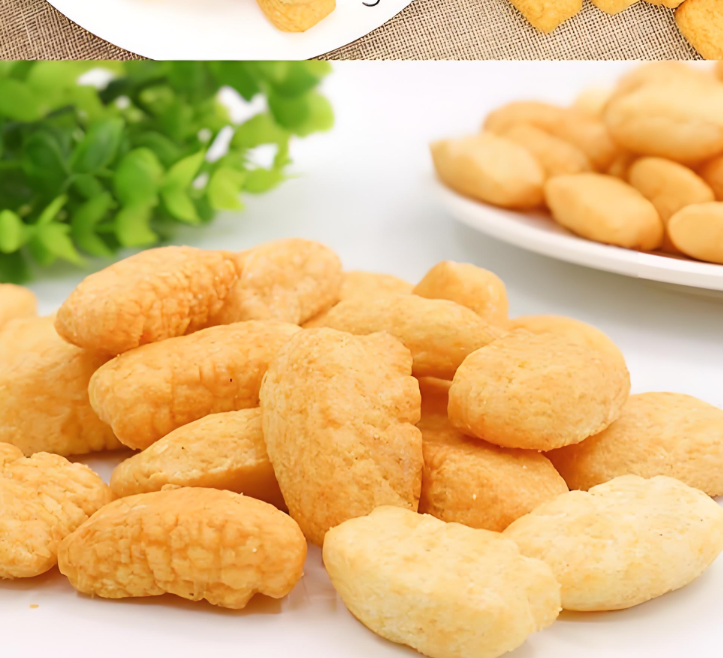
Puffed snacks have become a staple in the modern diet, enjoyed by people of all ages across the globe. From cheese puffs to rice cakes and extruded corn sticks, these light, airy treats dominate supermarket shelves. snack food extruder machine But what separates the bestsellers from the failures? What makes one puffed snack fly off the shelves while another is left to collect dust? Here are the key factors that determine why some puffed foods are more beloved than others. 1. Texture: The Crunch Factor The most critical element of any puffed snack is its texture. People crave a satisfying, consistent crunch. However, preferences vary. snack food extruder machine Some […]
Key Parameters for Producing High-Quality Puffed Snacks
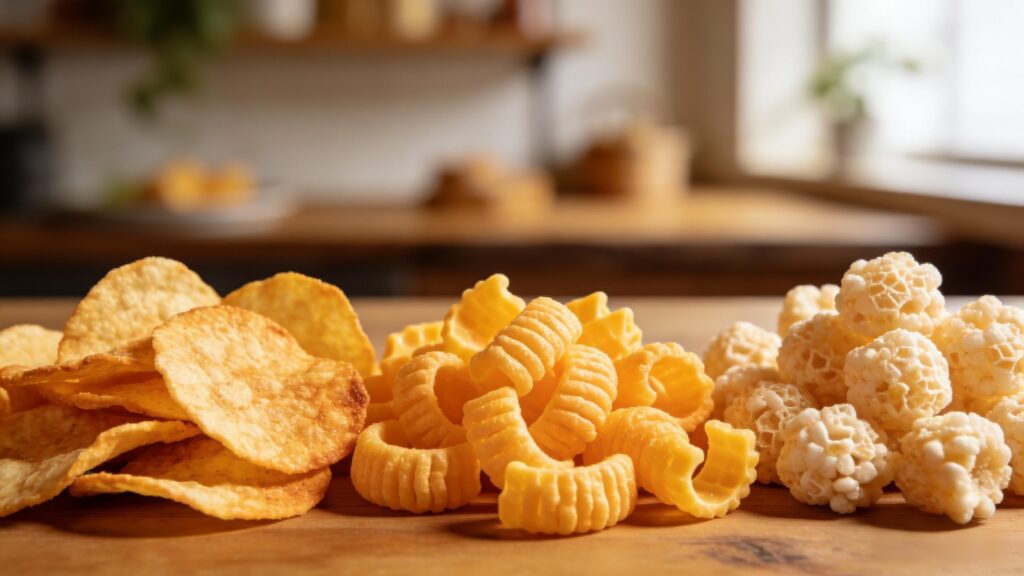
Producing puffed snacks—such as corn puffs, rice crisps, and cheese balls—requires a careful balance of multiple process variables. snack extruder machine Even small deviations can lead to poor expansion, uneven texture, or off-flavors. Below are the most critical parameters that determine product quality. 1. Raw Material Properties a. Starch Type and Purity b. Moisture Content (Pre‑Extrusion) As detailed previously, optimal moisture is 12–18% (wet basis). 2. Extruder Configuration a. Screw Profile and Speed b. Barrel Temperature Profile Puffed snacks usually require a gradual temperature rise along the extruder barrel: Zone Typical Temperature Purpose Feeding 20–40°C Avoid premature melting Compression 60–100°C Begin gelatinization Cooking 100–140°C Complete gelatinization Die 120–160°C Superheat water […]
The Critical Role of Raw Material Moisture in Producing High-Quality Extruded Snacks

In the production of puffed (extruded) snacks such as cheese balls, puffed corn sticks, and rice crisps, moisture content in the raw materials is one of the most crucial process parameters. snack food machinery Proper moisture levels directly influence expansion ratio, texture, mouthfeel, and overall product quality. This article outlines the requirements and effects of raw material moisture in puffed food manufacturing. 1. Optimal Moisture Range For most starch-based raw materials (e.g., corn flour, rice flour, wheat starch, potato granules), the ideal moisture content before extrusion typically falls between 12% and 18% (wet basis). The exact value depends on the recipe, extruder type (single-screw or twin-screw), and target product characteristics. […]
How to Control the Baking/Drying Temperature for Extruded Puffed Foods
After extrusion, many expanded food products (e.g., direct-expanded snacks, cereal balls, and pellets for further processing) require a post-extrusion thermal treatment — often called baking, drying, or toasting. This step removes residual moisture, sets the structure, develops flavor and color, and ensures a crisp texture. Controlling baking temperature is critical. Too low → soggy, underdeveloped product. snack extruder machine Too high → burnt surface, case hardening, or off-flavors. Below is a systematic guide to achieving consistent, high-quality results. 1. Understand the Role of Baking Temperature Baking serves three main purposes in expanded foods: Purpose Temperature effect Moisture reduction Evaporates water from ~8–12% post-extrusion down to 2–5% final (crisp texture). Structure […]
A Practical Guide to Selecting the Right Corn Puffing Machine
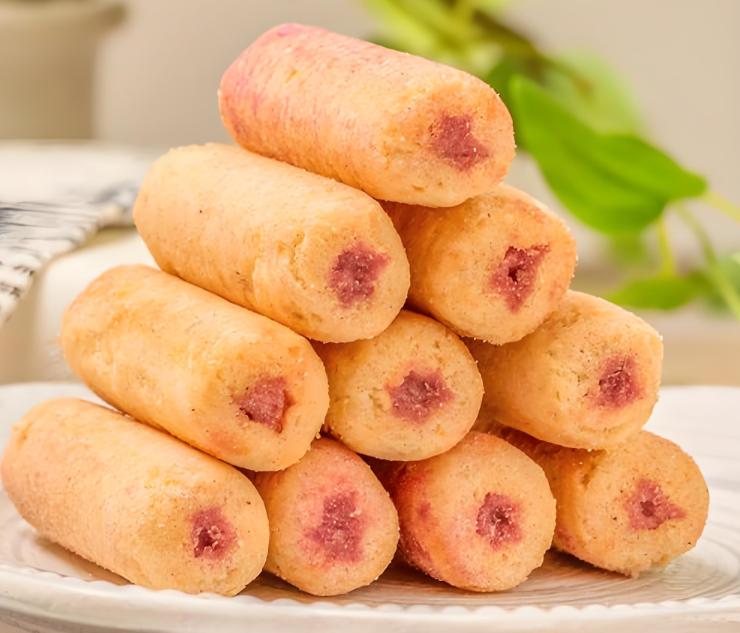
1. Introduction Choosing the correct corn puffing machine (extruder) is the most critical decision for any snack food business, corn puffs extruder whether you are a startup or an established manufacturer looking to expand. The wrong choice can lead to poor product quality, high operational costs, and frequent breakdowns. This guide outlines the key factors to consider when selecting an extruder specifically for corn-based puffed snacks. 2. Understanding the Two Main Types of Corn Puffing Machines Before diving into specifications, you must distinguish between the two primary technologies: Feature Single-Screw Extruder Twin-Screw Extruder Mechanism One rotating screw inside a barrel Two intermeshing, co-rotating screws Mixing capability Moderate Excellent (self-wiping) Moisture […]
Extrusion Processing Technology for Corn-Based Puffed Snacks
1. Introduction Corn-based puffed snacks represent a major segment of the global snack food industry, valued for their light texture, crispness, and ease of flavoring. corn puffs machine The dominant technology for producing these snacks is twin-screw extrusion cooking. This continuous, high-temperature, short-time (HTST) process transforms raw corn ingredients into a puffed, palatable product through a combination of thermal and mechanical energy. 2. Raw Materials and Preparation 3. The Core Process: Extrusion Cooking The prepared mixture enters the extruder barrel, which contains co-rotating, intermeshing screws. The process inside the barrel is divided into three key zones: 4. Expansion and Drying The most critical transformation happens as the molten dough exits […]
Engineering the Perfect Crunch: How to Master the Texture of Extruded Snacks
In the world of leisure foods, texture is king. While flavor may draw a consumer in, it is the mouthfeel—the crispy snap, the airy melt, or the dense crunch—that makes them return for another bite. snack extruder machine For extruded snacks (puffs, curls, pellets), texture is not an accident; it is a carefully engineered result of balancing raw materials, machine mechanics, and thermodynamics. So, how do food scientists achieve the perfect bite? Here are the critical parameters for mastering extruded snack texture. 1. The Foundation: Selecting the Right Raw Material The starch source dictates the texture’s ceiling. Pro Tip: Adding a small amount of amylose-rich starch (like high-amylose corn) reduces […]
The Art and Science of Puffing: A Look into the Processing Technology of Leisure Snacks
From the crispy corn curls that melt in your mouth to the airy cheese balls that dissolve on your tongue, leisure puffed snacks are a global phenomenon. snack food processing equipment Their universal appeal lies in their unique, light texture and satisfying crunch. But behind this simplicity is a fascinating piece of food engineering that transforms humble grains (like corn, rice, and wheat) or starches (like potato) into sophisticated, ready-to-eat products. The core of this technology is extrusion. This high-temperature, short-time (HTST) process is the workhorse of the snack food industry. Let’s break down the journey of a puffed snack, from raw material to shiny, seasoned final product. Step 1: […]
Processing Technology of Puffed Snacks
Puffed snacks—such as corn curls, rice crisps, cheese balls, and direct-expanded cereals—are produced by cooking and expanding starch-based materials under high temperature, pressure, or other physical methods. The result is a low-density, crisp, porous structure. This article outlines the main processing technologies used in the industrial production of puffed snacks. 1. Raw Material Preparation The base ingredients are typically cereal flours or starches: Additives may include: The raw materials are dry-mixed to ensure uniformity. Moisture content is adjusted to 12–18% — critical for proper expansion. 2. Main Puffing Technologies There are four primary methods for producing puffed snacks. 2.1 Extrusion Puffing (Most Common) Extrusion is the dominant industrial method.Process: Advantages: […]
How to Create Puffed Snacks in Various Shapes?
Puffed snacks—like cheese balls, shaped cereal pieces, or filled corn puffs—are beloved for their light, crispy texture and fun forms. extruder snack machine Making them in different shapes involves a combination of food science, processing techniques, and molding methods. Below is a step-by-step guide to producing puffed snacks in diverse shapes. 1. Understand the Basics of Puffing Puffing occurs when moisture inside a starch-based dough turns into steam under heat and pressure, expanding the structure. The two main methods are: For complex shapes, extrusion is the most versatile. 2. Choose the Right Ingredients 3. Use an Extruder with Shaped Dies An extruder pushes the dough through a metal plate called […]
Optimum Raw Material Moisture Range for Extruded Snack Production

Moisture content of the raw material (feed) is one of the most critical parameters in extrusion cooking. It directly affects expansion ratio, texture, bulk density, corn puff machine and overall product quality. Unlike post-extrusion drying, the feed moisture determines how the melt behaves inside the extruder barrel and at the die. General Recommended Range For most direct-expanded snacks (corn curls, rice puffs, wheat-based snacks), the optimal feed moisture is 11–18% (wet basis). The exact value depends on the target texture and starch composition. Moisture Zones and Their Effects Feed Moisture Extrudate Behavior Typical Products 9–11% Very high friction, excessive wear, rough surface, burnt notes Hard-crunch pellets, some third-generation snacks 11–14% […]
 Japanese
  English
  Russian
  Spanish
  Italian
  Arabic
  Portuguese
  German
  French
  Moroccan Arabic
  Persian
  Belarusian