
Engineering Palatability: How Ingredient Choices Influence Dog Food Acceptance

Palatability — the degree to which a dog finds a food appealing — is arguably as important as nutrition. Even the most nutritionally complete dog food will fail if the dog refuses to eat it. Unlike humans, dogs rely heavily on smell (olfaction) and texture, with taste playing a secondary but significant role. This article explores how formulators can strategically combine ingredients to maximize intake, maintain consistency, and avoid palate fatigue. 1. The Sensory Biology of the Dog Understanding canine sensory priorities is the first step. Sense Importance Key Drivers Smell Extremely high (10,000–100,000× more sensitive than humans) Volatile compounds from meat digests, fats, and Maillard reaction products Taste Moderate […]
Nutritional Formulation Across Life Stages: Key Differences in Puppy, Adult, and Senior Dog Food

Dogs have distinct nutritional needs that change dramatically as they age. Feeding a puppy food to a senior dog, or vice versa, can lead to obesity, developmental problems, or malnutrition. This article breaks down the critical formulation differences for each life stage, focusing on energy density, protein levels, calcium-phosphorus balance, and functional additives. 1. Puppy Diets: Growth and Development Puppies experience rapid skeletal growth, muscle development, and immune system maturation. Their formulas are designed for high energy and precise nutrient ratios. Key Formulation Differences: Parameter Puppy (≤ 12 months) Adult Energy density High (380–450 kcal/cup) Moderate (320–380 kcal/cup) Crude protein 28–32% (minimum 22% AAFCO) 18–26% Crude fat 12–20% 8–15% Calcium […]
Protein Sources in Dog Food: A Comprehensive Guide to Their Pros and Cons
Protein is the cornerstone of a healthy canine diet. It provides essential amino acids that support muscle development, immune function, skin and coat health, and overall vitality. dog food extruder However, not all protein sources are created equal. From traditional meats to novel proteins and plant-based options, each ingredient has its own nutritional profile and implications for your dog’s health. Below is an in-depth look at the most common protein sources found in dog food today. 1. Chicken Chicken is the most widely used protein in commercial dog food due to its availability, palatability, and relatively low cost. Advantages: Disadvantages: 2. Beef Beef is another traditional protein, valued for its […]
Fortified Rice: Ordinary Food, Health Food, or Special Dietary Food?

As fortified rice becomes more common in global markets, a critical regulatory question arises: What category of food does it belong to? The answer determines how it can be labeled, marketed, sold, and regulated. Is fortified rice just ordinary rice with extra nutrients? Is it a health food (like vitamin pills)? Or is it a special dietary food for specific medical or nutritional needs? This article clarifies the classification based on international standards (Codex Alimentarius), Chinese regulations (GB standards), and typical global practices. Three Categories Defined Before classifying fortified rice, we must understand what each category means. Category Definition Examples Regulatory control Ordinary food Any food consumed as part of […]
How Are Nutrients Added to Fortified Rice? A Technical Overview
Fortified rice is ordinary rice that has been artificially enriched with vitamins and minerals to combat micronutrient deficiencies. But how exactly do manufacturers get those nutrients — iron, zinc, folic acid, vitamin A — into each grain of rice? The process depends on the production method used. There are three primary industrial techniques, each with a different mechanism for nutrient addition. Method 1: Coating (Surface Spraying) How it worksNutrients are dissolved or suspended in a liquid solution and sprayed directly onto the surface of polished rice grains. A food-grade film-forming agent (such as ethyl cellulose, gum arabic, or starch) is often added to help the nutrients stick to the rice. […]
What Is Fortified Rice and How Is It Different from Regular Rice?
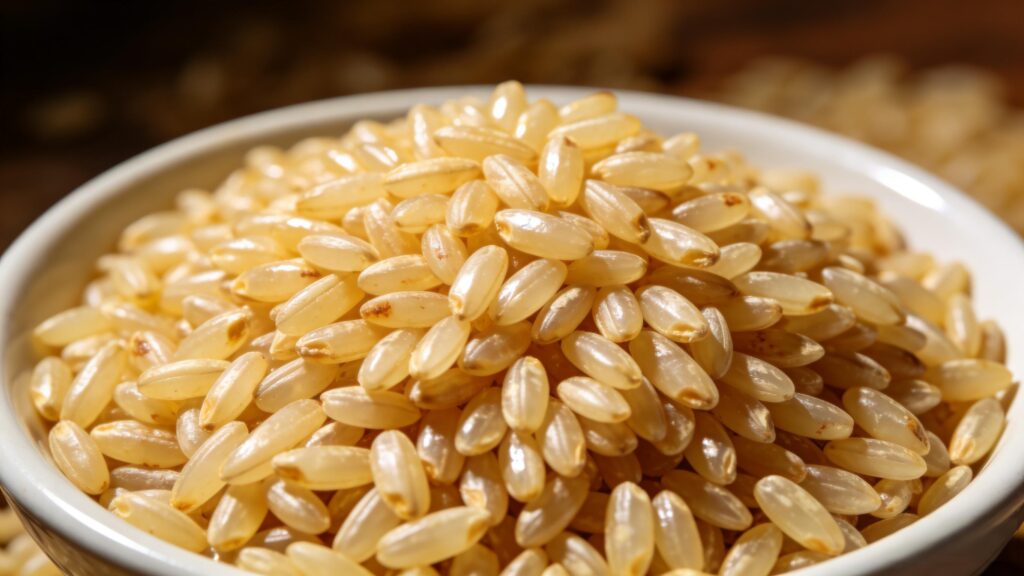
Rice is a staple food for more than half of the world’s population, particularly in Asia, Africa, and Latin America. However, regular rice — especially white rice — loses most of its natural nutrients during milling. To address widespread micronutrient deficiencies (often called “hidden hunger”), food scientists and public health experts have developed fortified rice. This article explains what fortified rice is, how it is made, and its essential differences from ordinary rice. What Is Fortified Rice? Fortified rice is rice that has been artificially enriched with additional vitamins and minerals to improve its nutritional value. Common nutrients added include: These nutrients are typically added in the form of fortified […]
Mastering Textured Vegetable Protein (TVP): Essential Techniques for High-Quality Meat Analogues

Introduction Textured Vegetable Protein (TVP)—also known as textured soy protein (TSP) or soy meat—is produced by extrusion cooking of defatted soy flour, concentrates, or other plant proteins. When properly processed, TVP mimics the fibrous, chewy texture of meat. soya chunk making machine However, achieving the right structure, mouthfeel, and rehydration behavior requires more than just feeding powder into an extruder. Small and large processors alike face challenges: poor fiber alignment, hard or mushy texture, bitter off-flavors, and inconsistent hydration. This article reveals the key techniques to produce superior TVP. Technique 1: Optimize Raw Material Blend & Particle Size The protein source determines the ceiling of your product quality. Key technique: […]
How to Start a Dog Food Processing Plant: A Step-by-Step Guide
The pet food industry is booming, with dog owners increasingly seeking high-quality, nutritious, and safe options for their pets. dog food extruder Starting a dog food manufacturing plant can be a rewarding business venture, but it requires careful planning, significant capital, and strict adherence to regulations. Below is a comprehensive guide to help you navigate the process. 1. Conduct Market Research and Define Your Niche Before investing, understand the competitive landscape. Decide what type of dog food you will produce: Analyze your target customers (budget, premium, raw feeders, etc.) and identify gaps in the local or regional market. 2. Understand Legal and Safety Regulations Dog food is heavily regulated in […]
The Ultimate Guide to Investing in Puff Snack Machinery

From Extruder to Exit – A Capital Equipment Strategy Puff snacks (corn puffs, rice crisps, veggie straws, protein puffs) represent one of the highest-margin opportunities in food processing. puff snacks processing line With the right machinery, raw materials costing $0.30–0.50/kg become finished products selling at $2.50–5.00/kg retail. But machinery selection determines 80% of your profitability. This guide walks you through every decision. Part 1: Why Puff Snacks? The Investor’s Case Metric Value Global market size (2025) $38 billion Expected CAGR 5.2% (2025–2032) Gross margin (small line) 40–55% Payback period (typical) 12–18 months Shelf life (with nitrogen) 9–12 months Key drivers: Part 2: Types of Puff Snack Machinery – Know What […]
The Ultimate Guide to Investing in Puff Snack Processing Equipment
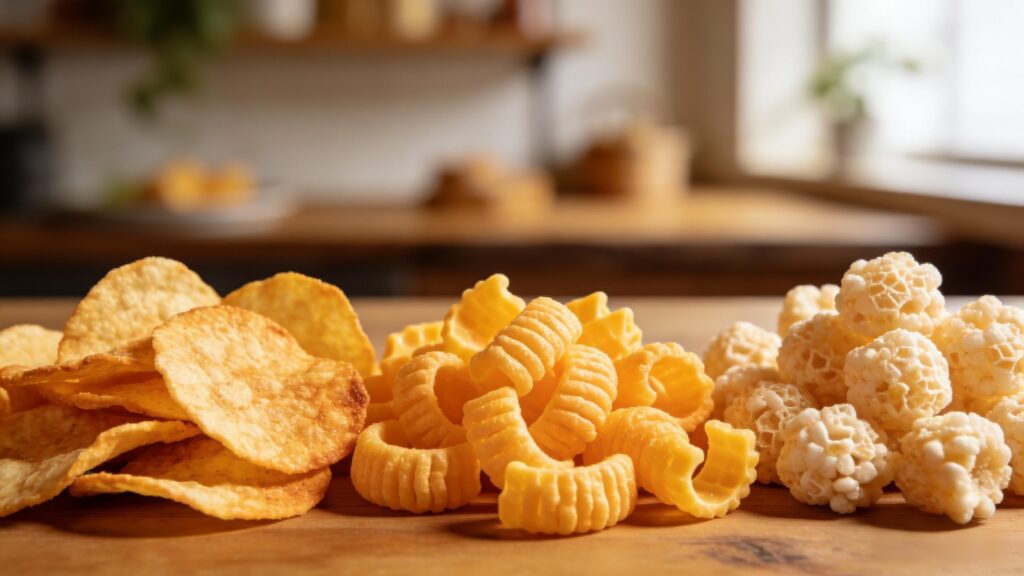
Market Snapshot: The global puffed snack market is projected to grow at a CAGR of 4.5–6% through 2030, driven by demand for gluten-free, snacks production machines clean-label, and textured plant-based foods. 1. Why Puff Snacks? (The Investment Thesis) Puff snacks offer three irresistible advantages to manufacturers: 2. The Two Main Processing Routes Feature Direct Expansion (Single-Screw) Collet (Twin-Screw & Die-Plate) Raw material Corn grits, rice flour, whole grains Potato flakes, starch blends, protein-rich flours Texture Hard, crunchy, cereal-like Light, crispy, soluble (melts fast) Oil absorption Low (20–25%) High (30–40%) – best for coated snacks Investment level $30k – $120k (entry) $80k – $300k+ (industrial) Typical products Cheese balls, onion rings, […]
How to Clean a Food Extruder: A Step-by-Step Guide

Cleaning a food extruder is critical for maintaining product quality, preventing cross-contamination, and extending the machine’s lifespan. Because food residue can dry quickly and become difficult to remove, it is best to clean the extruder immediately after use. Safety First: Step 1: Initial Disassembly Step 2: Dry Cleaning (Scrape & Brush) Before using water, remove all loose debris. Step 3: Soaking Step 4: Wet Cleaning & Scrubbing Step 5: Sanitizing (If required) Step 6: Drying & Inspection Step 7: Reassembly & Final Rinse Cleaning Schedule Reference Part Frequency Method Die & Screw After every batch Scrape, soak, brush, sanitize Barrel Daily Flush with hot water & brush Hopper Daily Wipe […]
The Key to Quality Dry Dog Food: Mastering the Drying Process
When manufacturing dry dog food (kibble), extrusion often gets the spotlight, but drying is the true make-or-break stage. Improper drying leads to mold growth, nutrient loss, poor texture, and short shelf life. Mastering drying ensures a shelf-stable, crunchy, and safe product that dogs love and owners trust. This article outlines the key principles, equipment, and control points for effective kibble drying. 1. Why Drying Is Critical Freshly extruded kibble contains 20–25% moisture. If packaged as is, it will spoil within days due to: The goal of drying is to reduce moisture to 6–10% , achieving: 2. The Science of Kibble Drying Drying is a heat and mass transfer process: Two […]
 Japanese
  English
  Russian
  Spanish
  Italian
  Arabic
  Portuguese
  German
  French
  Moroccan Arabic
  Persian
  Belarusian