
Introduction
Fortified rice, also known as enriched or nutrient-enhanced rice, is produced by adding vitamins and minerals (e.g., iron, zinc, folic acid, vitamin A) to polished rice grains to combat micronutrient deficiencies. However, rice naturally contains anti-nutritional factors (ANFs) such as phytic acid, tannins, and certain enzyme inhibitors. These compounds can bind to added nutrients, reducing their bioavailability and overall effectiveness. Therefore, controlling the interaction between nutrients and ANFs is a critical challenge in the production of high-quality fortified rice.
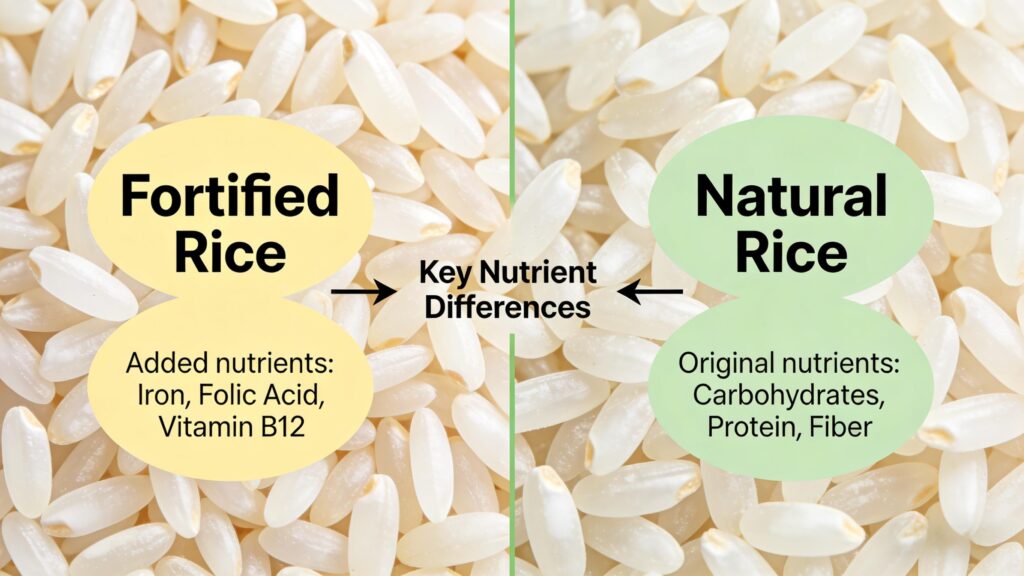
This article outlines practical strategies to minimize such unwanted reactions during the manufacturing process.
1. Selection of Compatible Nutrient Forms
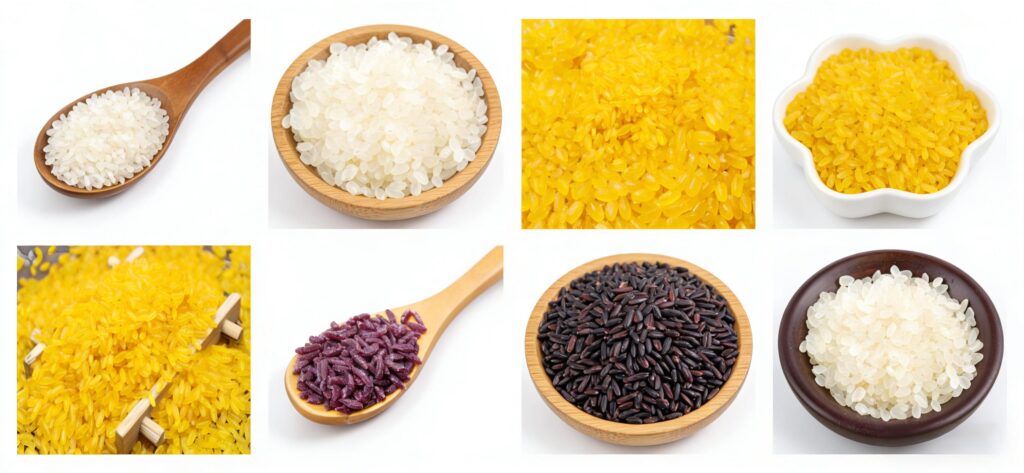
- Use of Encapsulated Nutrients: Encapsulating micronutrients—especially iron and zinc—within lipid or starch-based coatings physically separates them from ANFs in the rice matrix. This barrier prevents direct chemical interaction until the rice is cooked and digestion begins.
- Choice of Mineral Salts: For iron fortification, using electrolytic iron or sodium iron EDTA (NaFeEDTA) instead of ferrous sulfate can significantly reduce binding with phytic acid and tannins. NaFeEDTA remains soluble in the presence of phytates, improving absorption.
- Vitamin Stabilization: Fat-soluble vitamins (e.g., vitamin A, D, E) can be emulsified and microencapsulated to avoid oxidation and binding with polyphenols.
2. Reduction of Anti-Nutritional Factors Prior to Fortification
- Partial Phytate Degradation: Treating rice grains or flour with the enzyme phytase prior to fortification breaks down phytic acid into lower inositol phosphates, which have reduced ability to bind divalent minerals like iron and zinc.
- Soaking and Washing: Soaking broken rice (used to make extruded fortified kernels) in mildly acidic or warm water can leach out soluble ANFs. However, care must be taken to avoid nutrient loss during this step.
- Heat Pretreatment: Brief steaming or parboiling reduces tannin content and inactivates enzyme inhibitors such as trypsin inhibitors, thereby minimizing potential post-fortification interactions.
3. Optimizing the Extrusion and Coating Process

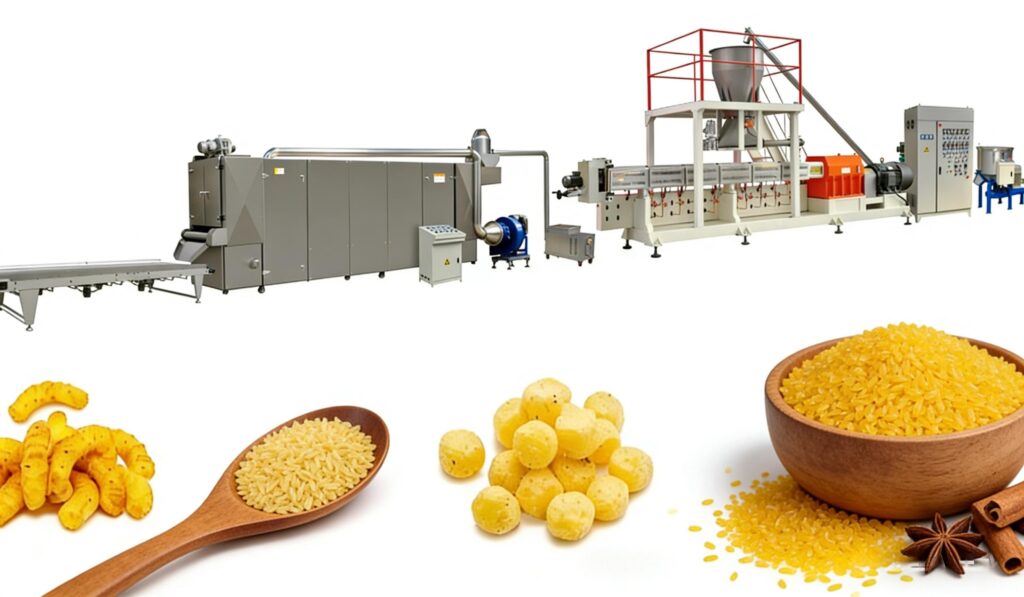
- Cold or Low-Temperature Extrusion: High temperatures can promote Maillard reactions and nutrient–ANF binding. fortified rice making machine price Using cold extrusion (below 70°C) for producing fortified rice kernels preserves nutrient integrity and reduces chemical reactivity.
- pH Adjustment: Adjusting the dough or slurry pH to slightly acidic (e.g., pH 4.5–5.5) during extrusion can keep minerals in a soluble, less reactive state. Citric or ascorbic acid are often added to complex iron and prevent oxidation.
- Layer-by-Layer Coating: Instead of mixing nutrients directly with rice flour, applying nutrients in a separate outer coating layer using edible gums (e.g., hydroxypropyl methylcellulose, gum arabic) can spatially separate nutrients from ANFs inside the rice matrix.
4. Use of Chelating and Protective Agents
- Addition of Enhancers: Including absorption enhancers such as ascorbic acid (vitamin C) or citric acid in the fortification mixture helps maintain iron in its ferrous (Fe²⁺) state, preventing binding with phytates and tannins.
- Competitive Binders: Edible chelators like EDTA (ethylenediaminetetraacetic acid) in low concentrations (e.g., 40–60 ppm) can bind residual ANFs without affecting nutrient bioavailability. NaFeEDTA is both a nutrient source and a protective agent.
5. Post-Production Storage and Handling
- Controlled Atmosphere Packaging: Vacuum or nitrogen-flushed packaging reduces oxidative reactions that may catalyze nutrient–ANF interactions, particularly for iron and polyunsaturated fatty acids.
- Moisture Barrier Packaging: High humidity promotes nutrient diffusion and chemical reactions. Using aluminum foil or metallized laminate pouches keeps moisture below 10% in the final product.
- Cool Storage: Storing fortified rice below 20°C slows down any spontaneous binding between residual ANFs and embedded nutrients.
Заключение

Preventing negative interactions between added nutrients and naturally occurring anti-nutritional factors in fortified rice requires a multi-pronged approach. fortified rice making machine price Key strategies include selecting encapsulated or stable nutrient forms, reducing ANF levels through enzymatic or thermal pretreatment, optimizing pH and temperature during extrusion, using protective chelators, and employing appropriate packaging. By implementing these measures, producers can ensure that fortified rice delivers its intended nutritional benefits without compromising sensory quality or consumer acceptance.
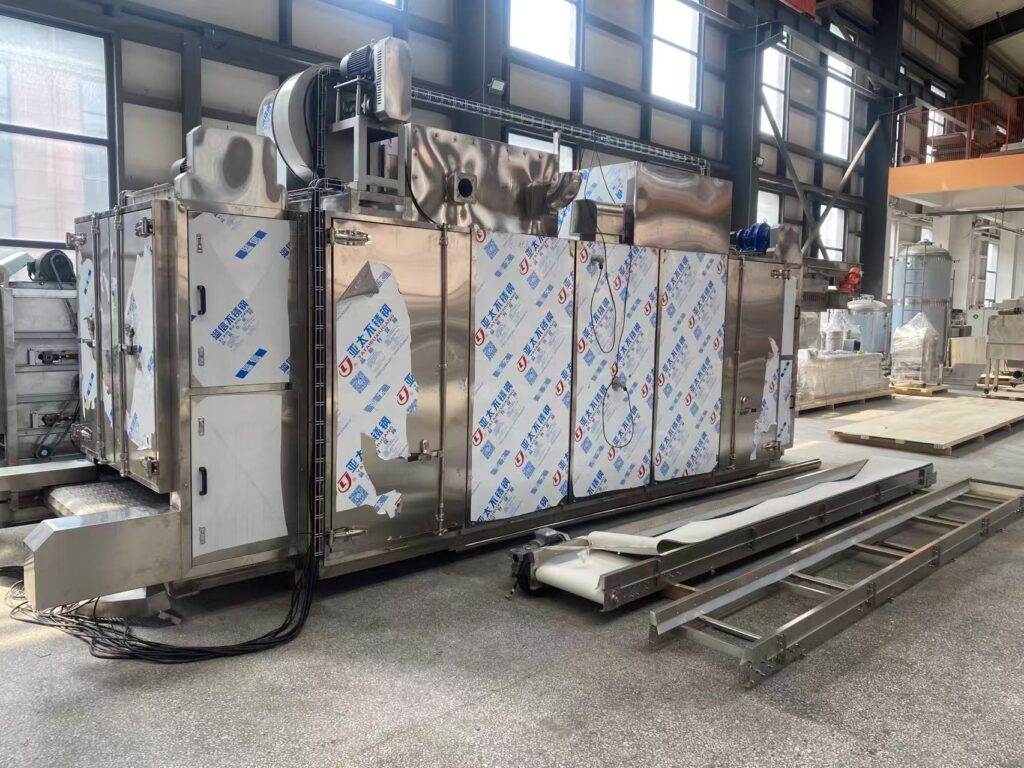
If you are interested in the fortified rice making machine price you can contact me , i will give you good advice and solutions .
1.Will you help us with the installation ?
Yes , We will send engineers to install and debug the equipment, and assist in training your staff.
2.Are you a factory or trading company?
We are a factory.
3.What certificate do you have?
We have ISO and CE certificate.
4.How long is the warranty period?
All of our machines have one year warranty.
5.What’s the main market of your company?
Our customers all over the world.
6.How much production capacity of your company one year?
This depends on your needs.
 Russian
  English
  Spanish
  Italian
  Arabic
  Portuguese
  German
  French
  Japanese
  Moroccan Arabic
  Persian
  Belarusian