
Introduction
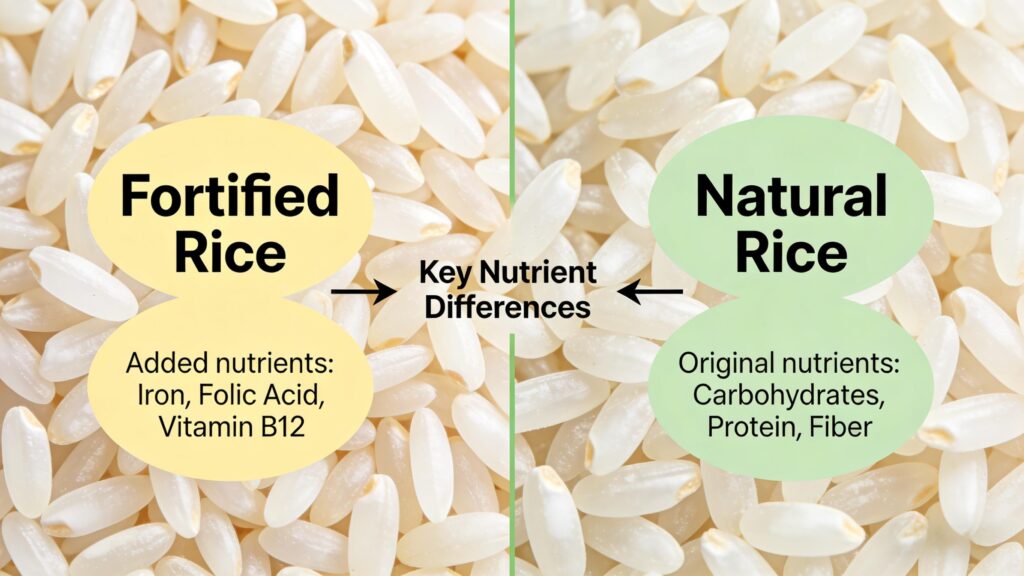
Fortified rice is designed to address nutrient deficiencies by adding vitamins and minerals to regular rice grains. fortified rice extruder However, a common challenge is maintaining or improving the mouthfeel—the texture, chewiness, and overall sensory experience—so that consumers accept it as readily as they do traditional rice. Achieving a pleasant mouthfeel requires careful attention to ingredients, production methods, and cooking techniques. Below are key strategies to enhance the texture of fortified rice.
1. Choose the Right Base Rice Variety
The type of rice used as the carrier greatly affects the final mouthfeel. Long-grain varieties like basmati or jasmine have distinct, non-sticky textures, while medium- or short-grain rice tends to be softer and stickier. For fortified rice, medium-grain rice often works best because it holds its shape well and has a balanced chewiness. fortified rice extruder Avoid overly brittle or aged rice, as it may break during processing or become mushy after cooking.
2. Optimize the Fortification Method
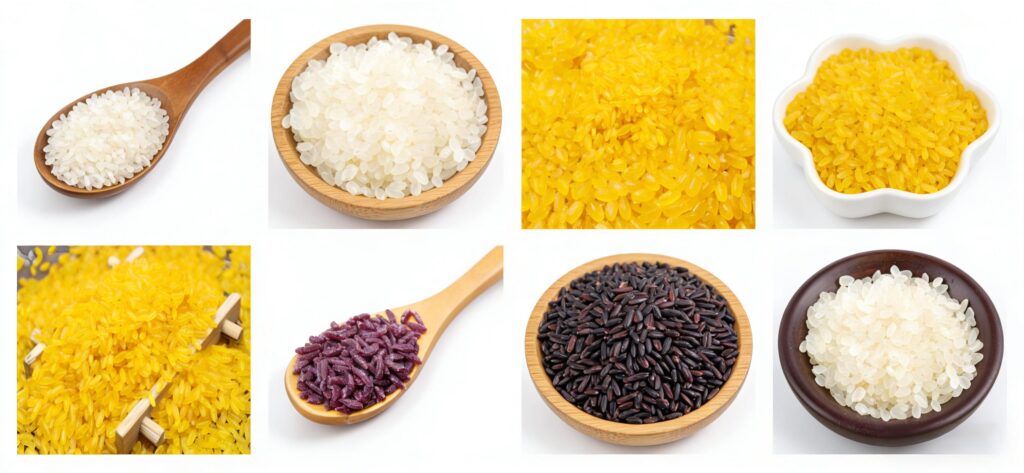
There are two main methods of fortification: coating and extrusion.
- Coating: Nutrients are sprayed onto the surface of rice grains. To improve mouthfeel, use thin, uniform coatings that do not create a waxy or powdery layer. Adding natural emulsifiers like lecithin can help the coating adhere without changing the grain’s surface smoothness.
- Extrusion (making artificial fortified kernels): This involves mixing rice flour with nutrients and shaping them into rice-like grains. To mimic real rice texture, adjust the extrusion temperature and moisture content. Higher moisture and moderate heat produce softer, more elastic kernels that blend seamlessly with natural rice.
3. Control Moisture During Processing
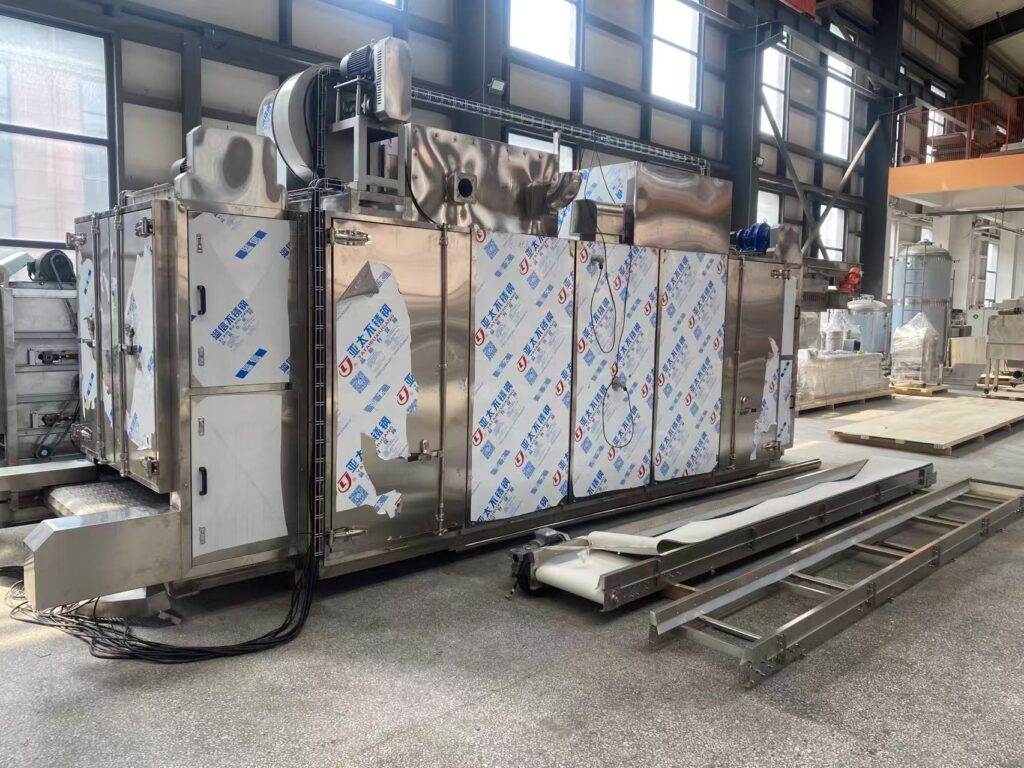
Moisture management is critical. Over-drying fortified rice leads to hard, brittle grains that crack when cooked. Under-drying can cause clumping or sogginess. Aim for a final moisture content of 12–14%. Using controlled humidity drying chambers instead of high-heat ovens preserves the starch structure, resulting in a tender but firm bite after cooking.

4. Use Modified Starches or Hydrocolloids
Adding small amounts of food-grade modified starches (e.g., cross-linked tapioca starch) or hydrocolloids like xanthan gum can significantly improve texture. These ingredients help retain moisture, prevent the grains from becoming mushy, and provide a smooth, cohesive mouthfeel. For extruded kernels, adding 1–2% of such stabilizers mimics the natural springiness of cooked rice.
5. Fine-Tune Cooking Recommendations
Even the best fortified rice can fail if cooked improperly. Provide clear instructions on the packaging:
- Soaking: Suggest soaking the rice for 15–20 minutes before cooking to hydrate grains evenly.
- Water Ratio: Use a slightly lower water-to-rice ratio than for regular rice (e.g., 1:1.7 instead of 1:2) to avoid excess softening.
- Cooking Method: Recommend gentle simmering rather than boiling rapidly, which can break fragile fortified kernels. Let the rice rest for 5–10 minutes after cooking to allow moisture redistribution.
6. Post-Cooking Handling
To preserve a pleasant mouthfeel when serving:

- Avoid stirring cooked rice vigorously—this can crush extruded kernels.
- Keep the rice covered and warm for no more than 30 minutes before serving; prolonged heat continues starch gelatinization, leading to a pasty texture.
- For fried rice or reheated dishes, use day-old fortified rice as it firms up slightly, similar to regular rice.
Заключение
Perfecting the mouthfeel of fortified rice is a balance of science and culinary art. fortified rice extruder By selecting the right rice variety, optimizing processing techniques, using texture-improving additives, and guiding proper cooking methods, manufacturers can create a product that not only delivers nutrition but also satisfies the palate. When fortified rice looks, feels, and tastes like traditional rice, consumers are far more likely to embrace it as a daily staple.
 Russian
  English
  Spanish
  Italian
  Arabic
  Portuguese
  German
  French
  Japanese
  Moroccan Arabic
  Persian
  Belarusian