
How Does Puffing Affect the Nutritional Value of Food?
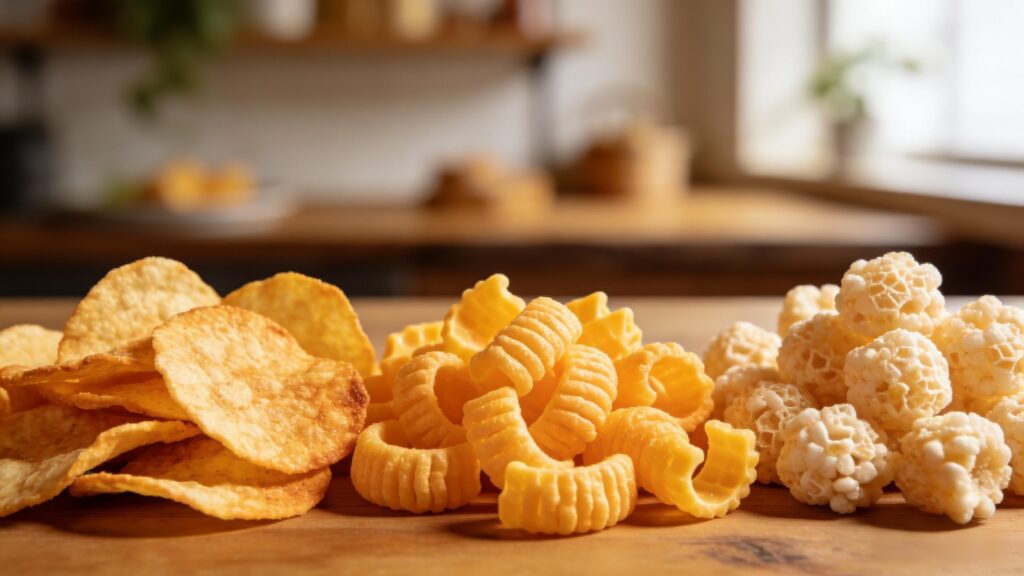
Puffing is a popular processing technique used to create light, crispy snacks like rice cakes, puffed corn, and cereal flakes. snack food extruder machine While it transforms the texture and mouthfeel of raw grains, it also brings about significant chemical and physical changes to their nutritional profile. The effects of puffing on nutrients can be both positive and negative, depending on the specific nutrient and processing conditions (such as temperature, pressure, and time). 1. Effects on Carbohydrates: Increased Digestibility Puffing has a profound effect on starches, the primary carbohydrate in grains. In summary: Puffing makes carbohydrate energy more readily available but can lead to a higher glycemic response. 2. Effects […]
Why Do Puffed Snacks Have a Porous Structure?

If you’ve ever bitten into a cheese puff, a rice cake, or a piece of puffed corn snack, you’ve noticed their unique, airy texture. Under a microscope or even just looking closely, snack extruder machine you can see countless tiny holes or pores. But why do puffed snacks have this porous structure? The answer lies in a fascinating combination of physics, chemistry, and food engineering. 1. The Role of Moisture and Heat The key to puffing is trapped moisture. The raw ingredients—usually starches from corn, rice, wheat, or potatoes—contain a small amount of water. When these ingredients are heated rapidly (through processes like extrusion, frying, or baking), the water inside […]
The Science Behind the Bite: Why Puffed Snack Foods Have a Porous Structure

Introduction One of the most recognizable features of puffed snacks (such as cheese puffs, rice crisps, popcorn, and extruded breakfast cereals) is their light, crispy, and highly porous texture. Under a microscope, these foods resemble sponges or honeycombs, filled with countless tiny air pockets. snacks making machine This structure is not accidental—it is the direct result of physical and chemical principles involving moisture, heat, and sudden pressure changes. Understanding why this porosity forms reveals the ingenuity of food processing. 1. The Basic Principle: Trapped Water Turns to Steam At its core, puffing is a phase-change phenomenon. Most puffed snacks begin with a dense, glassy raw material—typically starch-based (corn, rice, wheat, […]
How Temperature and Pressure Change During the Puffing Process

The puffing process, widely used in the production of snacks, breakfast cereals, and texturized plant-based proteins, snack food production line relies on a precisely controlled sequence of temperature and pressure changes. These two thermodynamic parameters are not static; they evolve dramatically along the extruder barrel and especially at the die exit. Understanding their dynamic profiles is essential for achieving desired expansion, texture, and product uniformity. 1. Temperature Profile: Gradual Rise, Then Rapid Drop Feeding Zone (Low Temperature, ~20–60°C)At the inlet, the raw material (usually flour, starch, or protein blend) is at ambient temperature. Frictional heat is minimal. Water (12–25% moisture) is added, and the mixture is simply conveyed forward by […]
The Role of Water in the Extrusion/Puffing Process
Water is a critical yet often underestimated component in the extrusion and puffing of starch-based and protein-based snacks. Its physical and chemical behavior during processing directly influences product expansion, texture, and microstructure. snacks making machine Understanding the multifaceted role of water is essential for controlling the quality and characteristics of puffed foods. 1. Plasticization and Viscosity Reduction At the initial stage of puffing (e.g., within a cooking extruder), water acts as a plasticizer. Water molecules penetrate the amorphous regions of starch and protein, breaking hydrogen bonds between polymer chains. snacks making machine This increases molecular mobility and reduces the glass transition temperature (Tg) of the material. Consequently, the melt viscosity […]
How Temperature and Pressure Evolve During the Puffing Process

Introduction Puffing is a rapid food processing technology used to create expanded snacks, breakfast cereals, and even some animal feeds. snack extruder machine The hallmark of puffing is the sudden expansion of a solid or semi-solid food matrix into a porous, crispy structure. This transformation is driven by carefully orchestrated changes in temperature and pressure. Understanding these dynamics is essential for controlling product quality, texture, and nutritional value. Two common puffing methods are: While equipment differs, the fundamental relationship between temperature, pressure, and expansion remains similar. Part 1: Changes During Extrusion Puffing (Most Common) Extrusion puffing uses a screw inside a heated barrel to convey, mix, cook, and pressurize the […]
Exploring Protein Denaturation in the Extrusion/Puffing Process
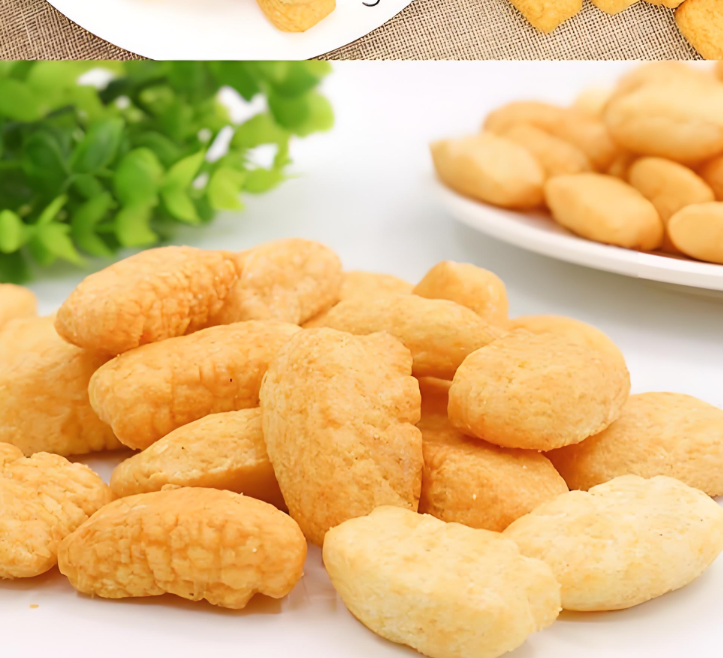
Introduction Puffing (or extrusion cooking) is a popular food processing technique used to produce snacks, breakfast cereals, and textured plant-based proteins. extruder snacks During this process, raw ingredients—often containing starch and protein—are subjected to high temperature, high pressure, and mechanical shear. A key question for food scientists is: Does protein denaturation occur during puffing? The short answer is yes. However, the extent and consequences of denaturation depend on processing conditions and the type of protein involved. Mechanisms of Denaturation in Puffing Denaturation refers to the unfolding of a protein’s native three-dimensional structure, typically caused by heat, pH changes, or mechanical forces. In puffing: Evidence from Research Consequences of Denaturation in […]
The Ultimate Guide to Investing in Puff Snack Processing Equipment
Market Snapshot: The global puffed snack market is projected to grow at a CAGR of 4.5–6% through 2030, driven by demand for gluten-free, snacks production machines clean-label, and textured plant-based foods. 1. Why Puff Snacks? (The Investment Thesis) Puff snacks offer three irresistible advantages to manufacturers: 2. The Two Main Processing Routes Feature Direct Expansion (Single-Screw) Collet (Twin-Screw & Die-Plate) Raw material Corn grits, rice flour, whole grains Potato flakes, starch blends, protein-rich flours Texture Hard, crunchy, cereal-like Light, crispy, soluble (melts fast) Oil absorption Low (20–25%) High (30–40%) – best for coated snacks Investment level $30k – $120k (entry) $80k – $300k+ (industrial) Typical products Cheese balls, onion rings, […]
The Complete Guide to Starting a Small-Scale Stuffed Puff Snack Processing Plant
Stuffed puff snacks—those irresistible crunchy shells filled with creamy cheese, chocolate, or savory pastes—have become a global phenomenon. From cheese-filled corn puffs to chocolate-filled rice pillows, these products dominate snack aisles worldwide. For entrepreneurs looking to enter the snack food industry, a small-scale stuffed puff processing plant offers an attractive entry point with manageable capital requirements and significant growth potential. This comprehensive guide walks you through every aspect of setting up and operating a small-scale stuffed puff snack manufacturing facility, from understanding the technology to production workflows, equipment selection, quality control, and business planning. Table of Contents 1. Understanding Stuffed Puff Snack Technology What Are Stuffed Puff Snacks? Stuffed puff […]
The Art and Science of Flavor: Seasoning Technologies in Puffed Snacks

Puffed snacks, ranging from extruded corn curls and potato puffs to expanded rice cakes, owe their global popularity not just to their satisfying crunch but to the symphony of flavors coating their surfaces. The process of applying that flavor is a sophisticated interplay of material science, engineering, and culinary chemistry. It is a delicate operation where the goal is to achieve optimal adhesion, uniform coverage, and intense flavor perception without compromising the product’s signature texture. The seasoning process can be broadly divided into three critical stages: pre-conditioning, application, and post-application treatment. 1. Pre-conditioning: Preparing the Canvas Before any seasoning is applied, the surface of the puffed snack must be prepared. […]
The Perfect Puff: 6 Essential Elements for Making Great Extruded Snacks
Puffed snacks—from cheese balls to corn curls to rice crisps—are a marvel of food science and culinary art. Achieving that perfect, light, melt-in-your-mouth texture requires a delicate balance of ingredients, machinery, and precision. Whether you’re a home enthusiast or a commercial producer, mastering these six elements is the key to creating a truly superior puff. 1. The Foundation: Raw Material & Formulation The journey to a perfect puff begins long before the extruder heats up. The choice of raw materials is paramount. Starches and proteins are the building blocks of the snack’s structure. 2. The Engine: Extrusion Technology Extrusion is the heart of puffing. This process uses a combination of […]
How to Properly Adjust a Food Extruder for Optimal Performance
A food extruder is a sophisticated piece of equipment used to produce a wide range of products—from breakfast cereals and snacks to pasta and textured vegetable protein. Proper adjustment is critical to achieving consistent product quality, maximizing efficiency, and minimizing downtime. Below is a step-by-step guide to tuning your food extruder for optimal results. 1. Understand Your Extruder Configuration Before making any adjustments, familiarize yourself with the extruder’s key components: 2. Start with the Recipe and Feed Rate The formulation sets the foundation. Ensure raw materials are consistently ground and mixed. Begin with a moderate feed rate—typically 60–70% of the extruder’s rated capacity—to establish a stable baseline. Gradually increase throughput […]
 Japanese
  English
  Russian
  Spanish
  Italian
  Arabic
  Portuguese
  German
  French
  Moroccan Arabic
  Persian
  Belarusian