
How to Make Nutritious Homemade Dog Food
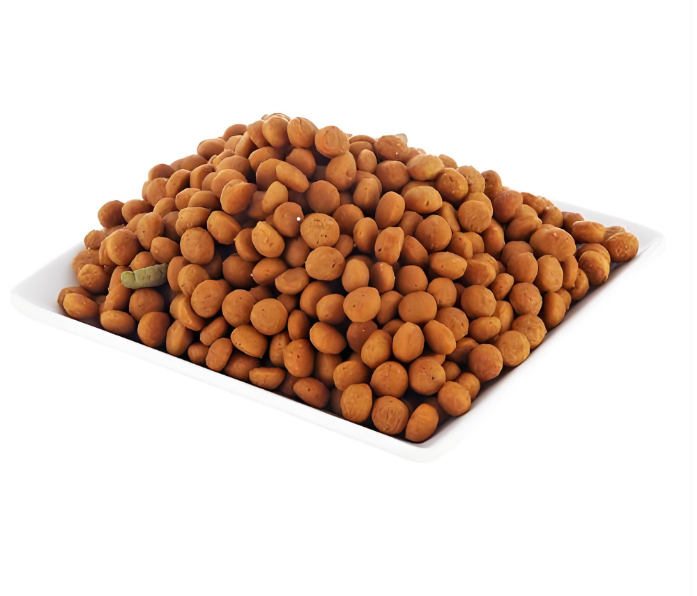
Making your own dog food at home allows you to control the quality of ingredients and tailor meals to your dog’s specific health needs. However, it’s essential to ensure the food is nutritionally balanced. Follow these guidelines to prepare healthy, home-cooked meals for your canine companion. 1. Understand Your Dog’s Nutritional Requirements Dogs need a balance of: Consult your veterinarian or a veterinary nutritionist to determine the right ratios for your dog’s age, weight, and activity level. 2. Choose High-Quality Ingredients 3. Foods to Avoid (Toxic or Harmful) Never include: 4. Sample Balanced Recipe (for one week’s supply) Ingredients: Instructions: 5. Storage and Serving 6. Supplementation Most homemade diets lack […]
Breakfast Cereal Corn Flakes: The Art and Science of Drying and Seasoning

Breakfast cereal corn flakes are a staple in households worldwide, prized for their signature crisp texture and consistent flavor. corn flakes production line While the initial steps of cooking, rolling, and toasting are well-known, the critical post-extrusion processes of drying and seasoning are what ultimately define the product’s quality, shelf life, and consumer appeal. This article unveils the technical steps behind how corn flakes are dried and flavored on an industrial scale. 1. Post-Extrusion State: Why Drying is Necessary After the corn grits, sugar, malt, and vitamin mixtures are cooked and pressed through flaking rolls, the resulting “flakes” are still moist and pliable. At this stage, moisture content typically ranges […]
Unveiling the Processing Technology of Modified Starch: A Technical Overview

Modified starch is one of the most ubiquitous yet least understood ingredients in the modern food and industrial landscape. modified starch machine While native starch occurs naturally in plants such as corn, cassava, wheat, and potatoes, its inherent limitations—poor thermal stability, susceptibility to retrogradation, and limited functional versatility—have driven the development of sophisticated modification technologies. This article provides a technical exposition of how modified starch is produced, drawing from scientific literature and industrial practices. 1. Why Modify Starch? Native starch granules, under natural conditions, exhibit restricted swelling, high viscosity upon cooking, and a tendency to retrograde (crystallize and expel water upon cooling), leading to undesirable textures like syneresis in food […]
Components of a Twin-Screw Extruder

A twin-screw extruder is a sophisticated piece of machinery widely used in food processing, plastics, and animal feed industries. Its design allows for efficient mixing, cooking, and shaping of raw materials. Below are the main components of a twin-screw extrusion system: Together, these components allow the twin-screw extruder to perform highly efficient mixing, cooking, shearing, and forming operations in a single, continuous process.
The Kernel of the Matter: What Corn Is Really Used to Make Corn Flakes?

When you pour a bowl of golden, crispy corn flakes, you are looking at the end product of a highly specific agricultural supply chain. But not just any corn will do. You cannot simply dry an ear of sweet corn from the farmers’ market, crush it, and expect it to turn into a shelf-stable flake. The maize industry relies on a specific type of grain with very particular physical and chemical properties. The short answer is: Yellow Dent corn (specifically a subspecies known as Zea mays indentata). However, it is not quite that simple. While Dent is the workhorse, the industry often utilizes a hybrid of Dent and Flint corn […]
Effective Cleaning Procedures for a Twin-Screw Extruder
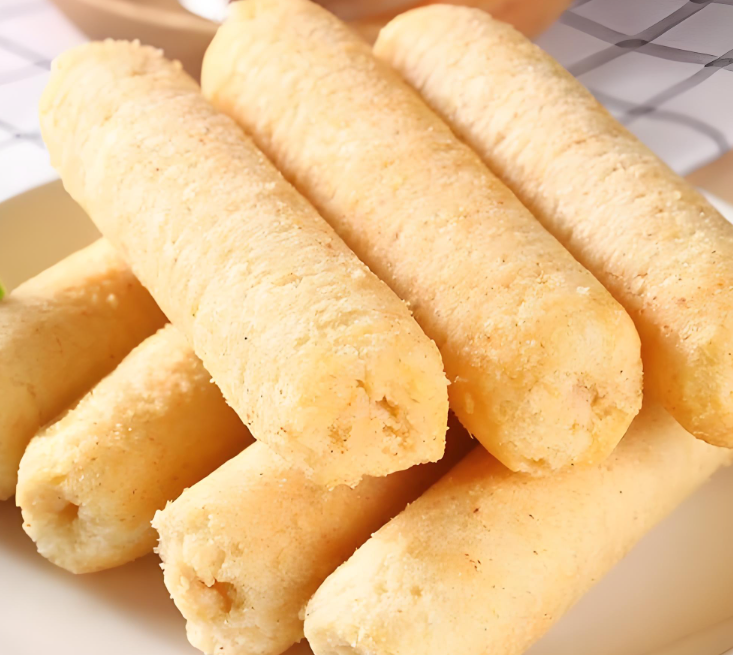
Proper cleaning of a twin-screw extruder is essential to maintain product quality, prevent cross-contamination, and ensure the longevity of the equipment. Due to the complex screw geometry and tight clearances within the barrel, cleaning must be systematic and thorough. Below is a step-by-step guide for cleaning a twin-screw extruder. 1. Preparation and Safety First 2. Dry Purging (for material residue) 3. Screw and Element Removal 4. Cleaning the Screw Elements 5. Cleaning the Barrel and Liners 6. Cleaning the Die and Adaptor Plate 7. Purging After Reassembly (Cure or Transition cleaning) 8. Final Inspection and Documentation Important Tips By following this routine, your twin-screw extruder will maintain high efficiency, reduce […]
The Ultimate Guide to Processing Puffed Breadcrumbs (Panko)

Introduction: What Are Puffed Breadcrumbs? Unlike traditional dry breadcrumbs (which are dense and granular), puffed breadcrumbs are characterized by their light, airy, flaky, needle-like structure. They absorb less oil, stay crispy longer, and provide a superior “crunch” to fried foods like tonkatsu, shrimp, and chicken tenders. This guide covers the industrial and small-batch processing methods, from raw materials to the final packaged product. Phase 1: Raw Material Selection The quality of puffed breadcrumbs starts with the formula. Key Ingredients (Baker’s Percentage) Ingredient Percentage Function High-gluten flour (Bread flour) 70% Structure & elasticity Low-gluten flour (Cake flour) 30% Tenderness & crispness Yeast (Instant dry) 1.5% Leavening (creates air pockets) Salt 1% […]
The Complete Processing Workflow of Breakfast Cereals
From the golden rings of Corn Flakes to the crunchy clusters of granola and the puffed shapes of Cocoa Puffs, breakfast cereals are a staple in millions of homes. cereal extrusion Behind every bowl lies a sophisticated sequence of industrial processes that transform raw grains into shelf-stable, flavorful, and texturally perfect products. This guide walks you through the entire production workflow—from grain receiving to the final box—covering the most common cereal types: flaked, puffed, and extruded/shaped cereals. 1. Raw Material Receiving & Cleaning Every cereal begins with grain—typically corn, wheat, rice, oats, or barley. Steps: Output: Clean, uniform grains ready for milling or conditioning. 2. Milling & Size Reduction (for […]
The Ultimate Guide to Purchasing a Small-Scale Fish Feed Production Line

Starting a small-scale fish feed manufacturing business or upgrading your hatchery’s in-house production is a significant investment. fish feed extruder machine Whether you intend to produce floating pellets for tilapia, sinking crumbles for catfish, or micro-pellets for ornamental tropical fish, choosing the right production line requires careful planning. This guide walks you through every critical factor—from capacity planning and extrusion technology to material handling and post-sale support. 1. Define Your Production Needs First Before contacting any supplier, answer these five questions: Question Why It Matters What species will you feed? Shrimp need micro-pellets (0.3–1.5 mm); trout need high-fat sinking pellets (3–6 mm). What is your daily target (kg/hr)? Small-scale lines […]
The Advantages of Extruded Fish Feed

Extruded fish feed has become increasingly popular in modern aquaculture and home aquarium keeping due to its numerous benefits over traditional pelleted or powdered feeds. fish feed extruder The extrusion process involves cooking raw ingredients under high temperature and pressure, then forcing them through a die, which causes the feed to expand. This method offers the following key advantages: 1. Improved Digestibility and Nutrient AvailabilityThe high heat and pressure during extrusion break down starches and proteins, making them more accessible to fish digestive enzymes. fish feed extruder This results in better feed conversion ratios (FCR), meaning fish absorb more nutrients from each gram of feed, grow faster, and produce less […]
How to Control Baking Temperature for Perfect Corn Chips
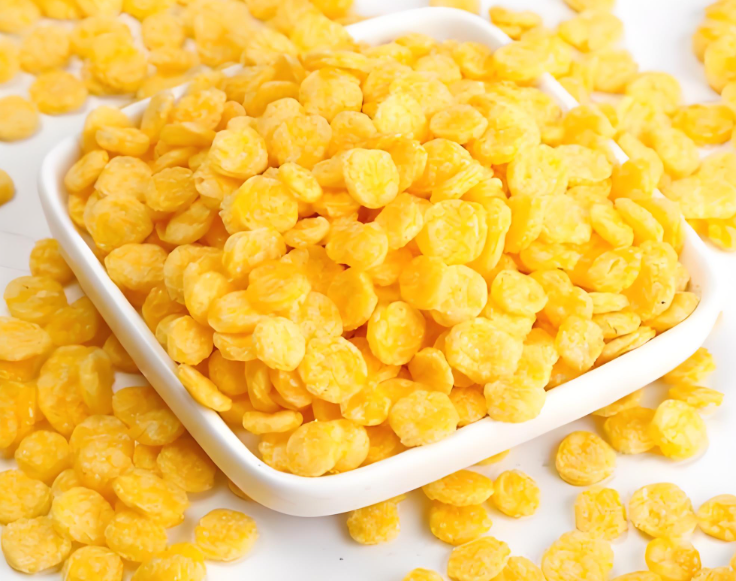
Baking temperature is the most critical variable in producing high-quality corn chips. Too low, and the chips turn out tough and chewy; too high, and they burn on the edges while remaining soft in the center. Proper temperature control ensures uniform crispness, attractive color, and a pleasant toasted corn flavor. This article outlines practical methods to manage and stabilize baking temperatures throughout the process. 1. Preheat the Oven Thoroughly Never place corn chips into a cold oven. Preheating establishes a stable thermal environment from the start. For most corn chip recipes, preheat the oven to the target temperature (typically 160–180°C / 320–355°F) for at least 15–20 minutes. Use an independent […]
The Impact of Baking Temperature on the Texture and Crispness of Corn flakes
Corn flakes are a popular snack worldwide, prized for their satisfying crunch and rich corn flavor. While ingredients play a key role, the baking temperature is one of the most critical factors determining final texture and mouthfeel. This article explores how different baking temperatures affect the crispness, hardness, and overall eating quality of corn chips. Low-Temperature Baking (120–150°C / 250–300°F)At lower temperatures, corn chips bake slowly, allowing moisture to evaporate gradually. This often results in a denser, tougher texture. The chips may become hard rather than crisp, with a tendency to be chewy or brittle. Additionally, low heat limits browning (Maillard reactions) and caramelization, leading to a pale color and […]
 Japanese
  English
  Russian
  Spanish
  Italian
  Arabic
  Portuguese
  German
  French
  Moroccan Arabic
  Persian
  Belarusian