Rice is a staple food for more than half of the world’s population, particularly in Asia, Latin America, and Africa. However, polished (white) rice loses a significant portion of its natural nutrients during milling. fortified rice making machine To address widespread micronutrient deficiencies, food scientists have developed fortified rice — also known as enhanced or enriched rice. This article outlines the primary nutrients added to fortified rice and explains why these specific nutrients are chosen.
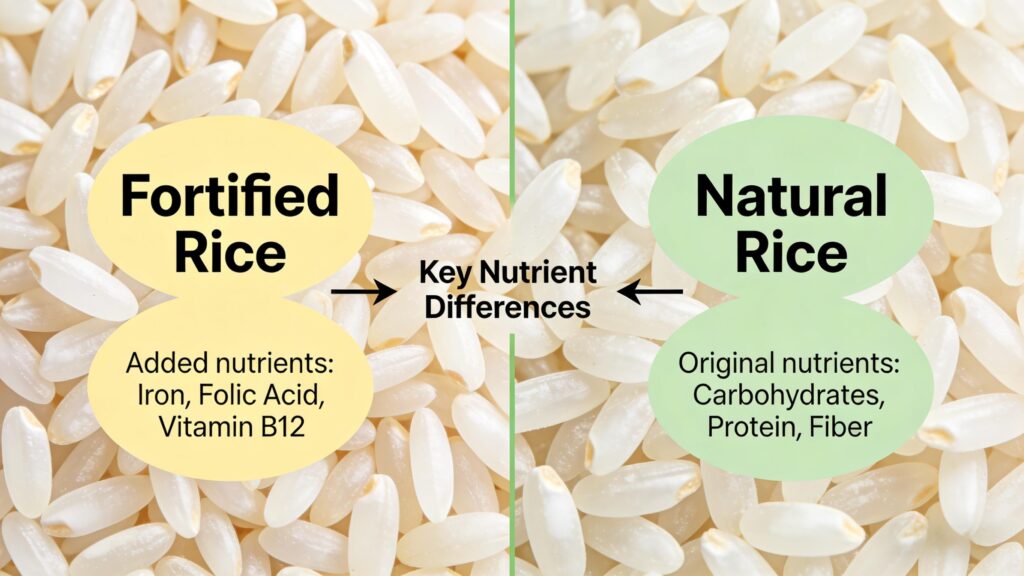
1. Iron
Why it is added:
Iron deficiency is the most common and widespread nutritional disorder in the world, leading to anemia, reduced cognitive development, weakened immunity, fortified rice making machine and decreased work productivity. Populations relying heavily on rice as a dietary staple often consume insufficient iron from other sources (e.g., meat, leafy greens).
Why iron in rice:
Iron is poorly bioavailable in plant-based diets, and the phytates in rice can further inhibit absorption. Adding iron to rice — in forms like ferric pyrophosphate or electrolytic iron — helps restore hemoglobin levels and combat iron-deficiency anemia without significantly altering the taste or color of the rice.
2. Folic Acid (Vitamin B9)
Why it is added:
Folic acid is critical for DNA synthesis, cell division, and the formation of red blood cells. Deficiency during early pregnancy can cause neural tube defects (NTDs) in the developing fetus. Many rice-consuming regions have high rates of NTDs and megaloblastic anemia.
Why folic acid in rice:
Since rice is often consumed daily by women of childbearing age, fortifying rice with folic acid provides a cost-effective, population-wide intervention to prevent birth defects and improve maternal and child health. It is stable during storage and cooking when properly encapsulated.
3. Vitamin A
Why it is added:
Vitamin A deficiency (VAD) is a leading cause of preventable childhood blindness and increases susceptibility to infectious diseases like measles and diarrhea. It is prevalent in low-income countries where rice is a primary energy source but vitamin-rich foods (e.g., liver, eggs, orange vegetables) are scarce.
Why vitamin A in rice:
Golden Rice, a biofortified variety, and post-harvest fortified rice use stable vitamin A compounds (e.g., retinyl palmitate or beta-carotene). Adding vitamin A to rice helps preserve vision, support immune function, and reduce child mortality. Rice is an ideal vehicle because it is centrally processed and consumed in predictable amounts.
4. Zinc
Why it is added:
Zinc deficiency impairs growth, immune response, wound healing, and cognitive development. It often coexists with iron deficiency in regions with monotonous, plant-based diets. High phytate content in rice binds zinc, reducing its absorption.
Why zinc in rice:
Adding zinc — often alongside iron — improves overall micronutrient status, supports child growth, and reduces diarrhea and pneumonia incidence. fortified rice making machine Dual fortification with iron and zinc is efficient because both are processed similarly and do not negatively interact when properly formulated.

5. B Vitamins (Thiamin/B1, Niacin/B3, Vitamin B6, Riboflavin/B2)
Why they are added:
Polished rice is severely depleted of B vitamins during milling. Thiamin deficiency causes beriberi (nerve and heart damage); niacin deficiency leads to pellagra (dermatitis, dementia, diarrhea); B6 deficiency affects metabolism and neurological function; riboflavin deficiency causes skin and mouth disorders.
Why B vitamins in rice:
Restoring these vitamins to levels found in unpolished brown rice helps prevent classical deficiency diseases. They are water-soluble, so they are blended into the fortified rice kernel matrix (often via extrusion technology) to survive washing and cooking. B vitamins also support energy metabolism — crucial for populations relying on rice for daily calories.
6. Vitamin B12
Why it is added (less common but emerging):
Vegans and elderly individuals in rice-based diets may lack B12, which is naturally found only in animal products. B12 deficiency causes pernicious anemia and neurological damage.
Why B12 in rice:
In areas where animal source foods are scarce or unaffordable, adding B12 to rice can prevent irreversible nerve damage and megaloblastic anemia. It is often included in multi-micronutrient powders designed for rice fortification.
Why These Nutrients Are Chosen: General Principles
- Public health significance – The nutrient must address a documented, widespread deficiency in the target population.
- Technological feasibility – The nutrient must survive storage, washing, and cooking (e.g., heat-stable, water-insoluble if needed). Modern extrusion technology encapsulates vitamins and minerals in a rice-like grain that mimics natural rice.
- Sensory neutrality – Fortification should not change the taste, color (except golden rice), or cooking behavior of rice.
- Cost-effectiveness – Adding nutrients to a widely consumed, centrally processed staple like rice is far cheaper than treating deficiency diseases or distributing supplements individually.
- No risk of toxicity – Levels are carefully set to meet needs without exceeding safe upper limits, even with high daily rice consumption.
Conclusion
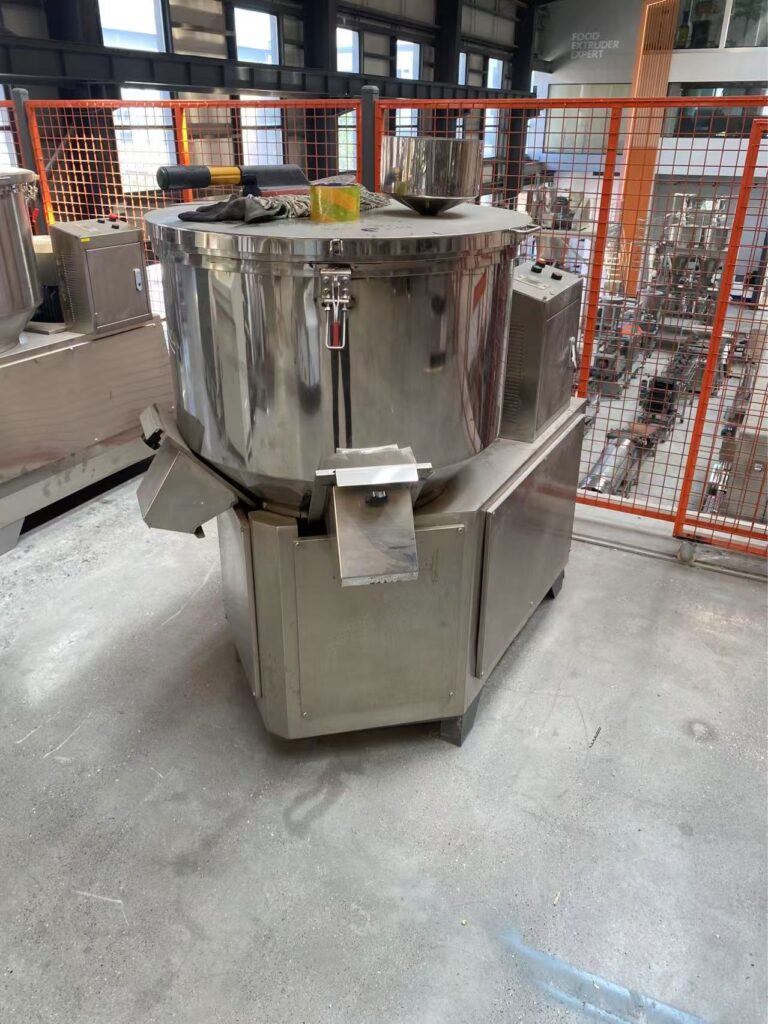
Fortified rice is a powerful, evidence-based strategy to combat hidden hunger. The nutrients selected — primarily iron, folic acid, vitamin A, zinc, and B vitamins — directly address the most prevalent and serious micronutrient deficiencies among rice-dependent populations. fortified rice making machine By delivering these nutrients in a familiar, affordable, and widely eaten food, fortified rice improves health outcomes, supports child development, and reduces the burden of disease without requiring changes in dietary habits. If you are interested in the fortified rice making machine you can contact me , i will give you good advice and solutions .

1.Will you help us with the installation ?
Yes , We will send engineers to install and debug the equipment, and assist in training your staff.
2.Are you a factory or trading company?
We are a factory.
3.What certificate do you have?
We have ISO and CE certificate.
4.How long is the warranty period?
All of our machines have one year warranty.
5.What’s the main market of your company?
Our customers all over the world.
6.How much production capacity of your company one year?
This depends on your needs.
 French
  English
  Russian
  Spanish
  Italian
  Arabic
  Portuguese
  German
  Japanese
  Moroccan Arabic
  Persian
  Belarusian