
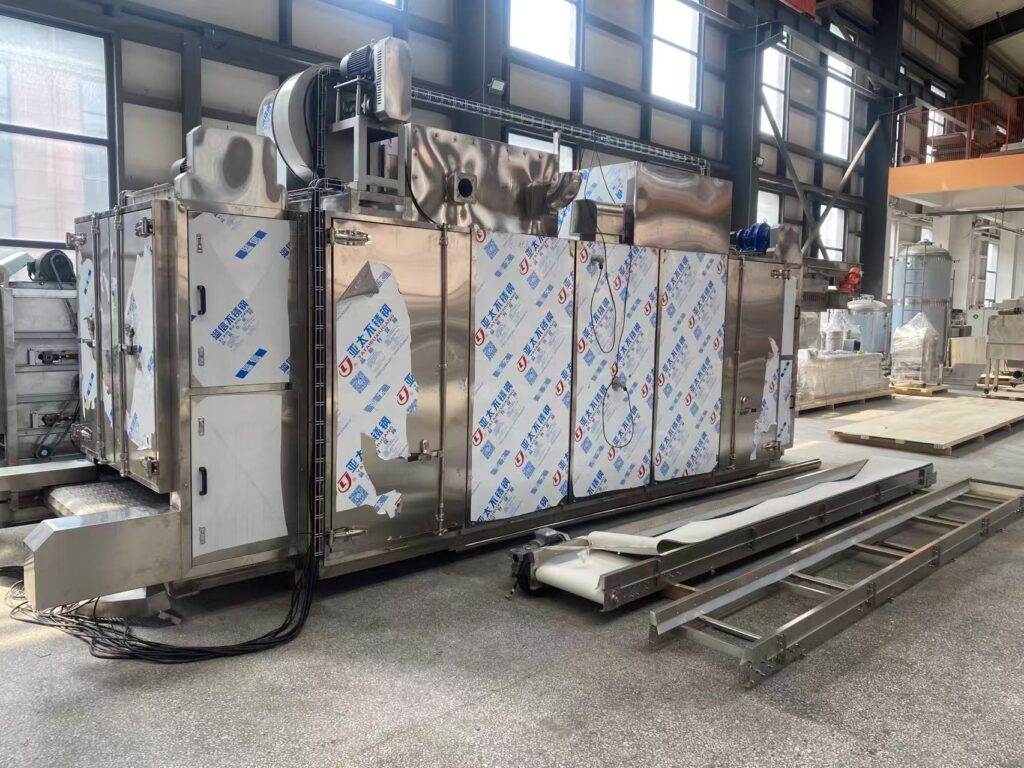
Not all breadcrumbs are created equal. While they often play a supporting role—providing crunch, binding force, or a golden crust—the type of crumb you choose can make or break a dish. bread crumb machine From the fine, sandy texture of panko to the rustic charm of homemade crumbs, each variety has a specific purpose.

Here is a breakdown of the four major types of breadcrumbs and what makes each one unique.
1. Panko (Japanese Breadcrumbs)
Origin: Japan (the name means “bread flour”).
Production: Unlike standard crumbs made from baked bread, panko is made by passing an electrical current through a special bread dough, which cooks it from the inside out without forming a crust. The bread is then coarsely ground into large, flaky, sliver-like shards.
Key Characteristics:
- Texture: Extremely airy, light, and jagged.
- Absorption: Absorbs less oil than other crumbs. The shards stick up from the food’s surface, creating more surface area for crispiness rather than greasiness.
- Color: Pale golden (it does not brown as quickly, remaining crunchy longer).
- Taste: Neutral, slightly sweet.
Best Uses: Deep-fried foods (tonkatsu, tempura), baked casseroles (topping), crab cakes, and air-fried vegetables.
Not Suitable For: Dense meatloaf or binding pâtés (it is too light to hold heavy mixtures together).
The Panko Advantage: When you want a shatteringly crisp crust that stays crunchy for 30 minutes after frying, panko is the undisputed champion.

2. Dry Breadcrumbs (Standard/Plain)
Origin: Mediterranean/Western Europe.
Production: Ordinary bread (white, whole wheat, or sourdough) is baked a second time until hard, then finely milled or ground into a uniform, bread crumb machine sandy powder. They are shelf-stable and usually sold in plastic jars or cans.
Key Characteristics:
- Texture: Fine, granular, uniform (like sand).
- Absorption: Highly absorbent; they soak up liquid quickly, becoming a thick paste.
- Coating: Creates a thin, even, hard shell when fried, but it absorbs oil easily and can become greasy.
- Flavor: Mild to toasty, depending on the bread used.
Best Uses: Meatloaf (binder), meatballs, stuffing/dressing, coating for pan-fried chicken or fish (when a thin, classic crust is desired).
Not Suitable For: Dry, shatter-crisp Japanese-style frying (it will produce a dense, oily crust).
The Classic Role: This is your workhorse binder. If you need to hold ground meat together or create a soft, absorbent layer under a sauce, use dry breadcrumbs.
3. Italian-Seasoned Breadcrumbs
Origin: United States (convenience food culture).
Production: Dry breadcrumbs mixed with dehydrated herbs (oregano, basil, parsley, thyme), garlic powder, onion powder, paprika, and often grated Parmesan cheese or salt.
Key Characteristics:
- Flavor: Pre-mixed, savory, and herbal. High in sodium.
- Texture: Identical to dry breadcrumbs (sandy).
- Limitation: The herbs burn quickly at high heat (above 375°F/190°C), turning bitter.
- Consistency: Brand-dependent; some are powdery, others contain visible herb flecks.
Best Uses: Quick oven-baked chicken parmesan, topping for mac and cheese, casserole crusts, or simple fish sticks.
Not Suitable For: Deep-frying (herbs burn), bread crumb machine delicate seafood (flavor overwhelms), or recipes requiring a neutral base.
Honest Warning: While convenient, the herbs and salt are often low quality. Many chefs prefer plain crumbs plus fresh herbs for better flavor control.
4. Fresh (Soft) Breadcrumbs
Origin: Home cooking and high-end restaurants.
Production: Fresh bread (1–3 days old, not stale-crunchy) is pulsed in a food processor or grated on a box grater. It is not dried. These crumbs must be refrigerated or used immediately.
Key Characteristics:
- Texture: Fluffy, soft, cotton-like clumps (not granular).
- Moisture: High moisture content (30-40%).
- Browning: Tends to burn faster than dried crumbs because the moisture steams first, then the outside chars.
- Taste: Pure bread flavor—yeasty, buttery, and milky.
Best Uses: Sicilian pangrattato (toasted in olive oil with garlic as a pasta topping), stuffing for baked tomatoes or mushrooms, gnocchi, or adding a rustic “cloud” texture to meatballs.
Not Suitable For: Long-frying (burns before crispy) or shelf storage (molds within days).
The Chef’s Secret: Fresh crumbs create a creamy, soft crust (not a hard one). Toasted in oil with lemon zest, they are an incredible crunchy garnish that tastes like golden, savory popcorn.

Comparison Summary Table
| Type | Texture | Oil Absorption | Best Function | Shelf Life |
|---|---|---|---|---|
| Panko | Flaky, jagged, airy | Low (light crunch) | Crispy coating (frying) | 6–12 months |
| Dry | Sandy, fine, uniform | High (holds shape) | Binder (meatloaf) | 12–18 months |
| Italian | Sandy with herb flecks | High | Quick oven dishes | 12 months |
| Fresh | Fluffy, soft clumps | Very high (absorbs oil fast) | Toasted garnish / stuffing | 2–3 days |
Final Tip: Make Your Own Rule
- For crunch: Reach for panko.
- For binding: Reach for dry plain.
- For lazy weeknights: Italian works fine.
- For flavor magic: Pulse a day-old baguette into fresh crumbs and toast them with butter.
The best breadcrumb is not the most expensive one; it is the one that matches the physics of your cooking method. A crisp fry requires air (panko). A sturdy loaf requires glue (dry crumbs). Choose wisely, and your crust will sing.
 Persian
  English
  Russian
  Spanish
  Italian
  Arabic
  Portuguese
  German
  French
  Japanese
  Moroccan Arabic
  Belarusian