
Palatability is the measure of how eagerly a dog eats a food and how much they prefer it over another option. In simple terms: if the dog doesn’t eat it, nothing else matters. While nutrition keeps a dog healthy, palatability ensures they consume that nutrition.
This article focuses on dry extruded kibble, but many principles apply to wet/canned foods.
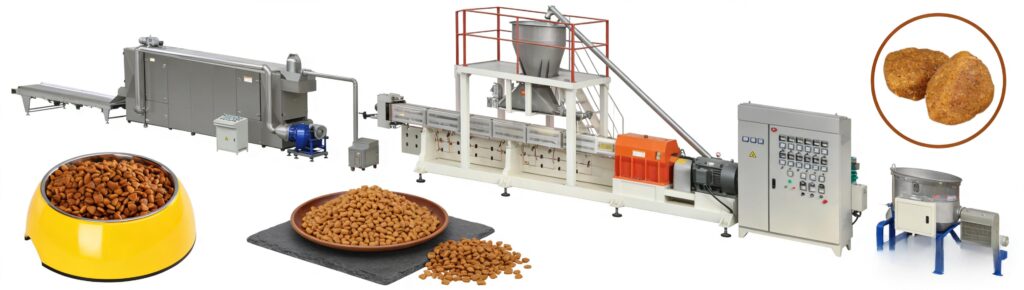
1. Start with Raw Ingredients – Flavor Begins at Receiving
Poor-quality raw materials cannot be fixed by coatings later.
- Freshness of Protein Sources: Fresh poultry meal or deboned meat produces fewer oxidized fats and less ammonia off-flavor. Use meats stored below 4°C (39°F) and processed within 72 hours of arrival.
- Avoid Rancid Fats: Rancidity creates bitter, paint-like notes that dogs reject. Measure peroxide value (PV) on incoming fats – reject any PV >5 meq O₂/kg.
- Low Mycotoxin Grains: Grains contaminated with mold (e.g., Fusarium, Aspergillus) produce musty, unpleasant odors detectable by a dog’s far-superior sense of smell. Test for deoxynivalenol (DON) and aflatoxins before batching.
2. Optimize Kibble Structure – The Crunch Factor
Dogs are omnivores but descend from canids that tore and crunched. Texture directly influences preference.
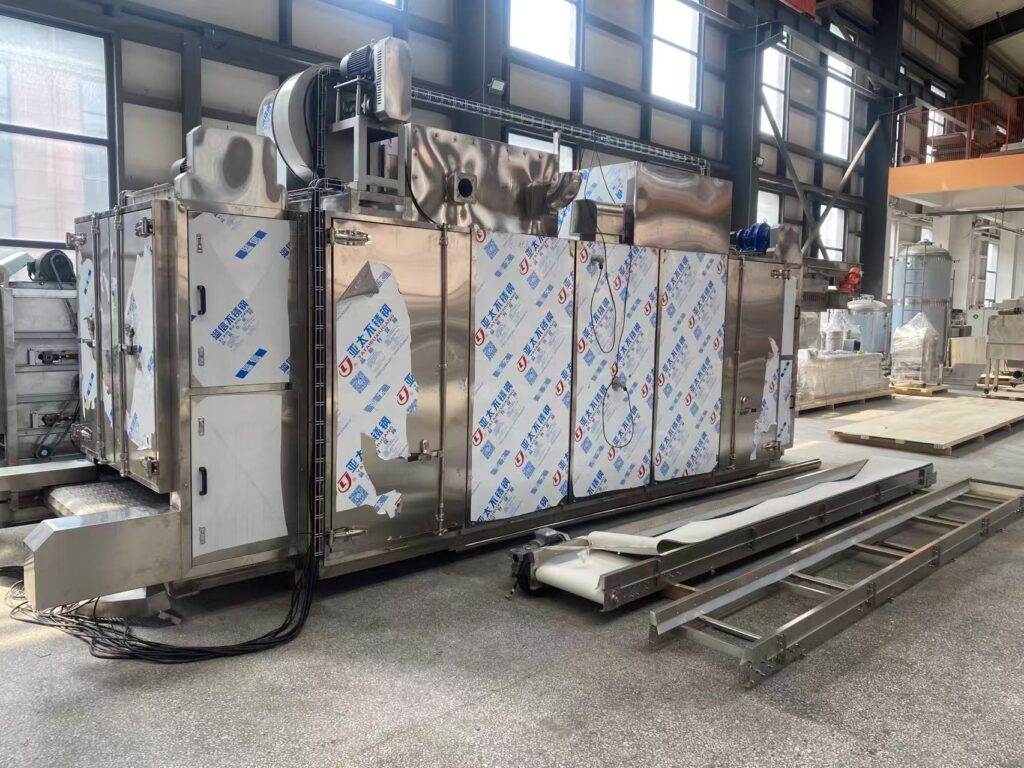
- Porosity and Air Pockets: Extruded kibble with a porous, honeycomb-like internal structure absorbs more liquid fat and palatant. Achieve this by controlling steam injection and screw speed during extrusion. Target a bulk density of 350–420 g/L for high palatability.
- Crunchiness (Hardness): Kibble that is too hard (e.g., >40 N on a texture analyzer) can be avoided by older dogs or those with dental issues. Kibble that is too soft (<15 N) is often rejected as “stale.” Ideal: 20–30 N.
- Size and Shape: Match kibble size to the target dog’s jaw. Small breeds prefer 8–12 mm, medium 12–16 mm, large 16–22 mm. Novel shapes (triangles, rings, dental stars) can increase initial interest but do not sustain long-term preference.
3. Master the Extrusion Process – Lock in Aroma
Extrusion is both a cooking and a flavor-forming step.

- Maillard Reaction: The reaction between amino acids and reducing sugars at high temperature (140–160°C / 284–320°F at the die) creates roasted, meaty, and savory (umami) aromas. Maximize this by including a small amount of reducing sugar (e.g., 1–2% dextrose) in the base recipe.
- Avoid Overheating: Above 180°C (356°F), Maillard products degrade into bitter pyrazines and burnt notes. Use a die temperature between 120–150°C (248–302°F) for optimal flavor.
- Controlled Expansion: Sudden pressure drop at the die creates the porous structure mentioned earlier. Ensure the extruder barrel is fully filled – partially filled barrels produce dense, hard kibble with low porosity.
4. Apply External Coatings – The Primary Palatability Driver
For dry kibble, >70% of the perceived palatability comes from the surface coating, not the base dough. This is because dogs smell the outside first.

4.1 Types of Palatability Enhancers (Palatants)
| Type | Composition | Application Rate | Effect |
|---|---|---|---|
| Fat spray | Poultry fat, fish oil, lard | 6–12% by weight | Immediate attraction, aroma boost |
| Liquid digest | Hydrolyzed liver, poultry, or pork | 2–5% | Strong umami, savory note |
| Powdered palatant | Spray-dried digest + nucleotides | 1–3% | Sustained flavor, aftertaste |
| Yeast extracts | Inactivated yeast, mannanoligosaccharides | 0.5–2% | Cheesy, brothy notes |
4.2 Application Sequence – Hot Coating
Apply liquid palatants while the kibble is still warm (40–50°C / 104–122°F) and porous.
- First spray: Poultry fat or fish oil (50–70% of total fat). This penetrates the pores and carries aroma.
- Second spray: Liquid digest (hydrolyzed animal tissue). Wait 30–60 seconds after fat spray.
- Third step (optional): Powdered palatant – applied through a dusting auger while kibble tumbles.
- Final spray (optional): Remaining fat to seal in volatiles.
Critical: Never apply liquid digest before fat – water-based digest will soak into the kibble too quickly and leave no surface flavor.
4.3 Even Coverage is Everything
Uneven coating creates “hot spots” and “dead spots” in the same bag – some kibbles are highly attractive, others bland.
- Use a rotary drum coater with internal baffles and angled flights.
- Check coverage visually: spray a water-soluble dye (e.g., FD&C Blue No. 1) through the fat line and examine 10 random kibbles. At least 90% should show uniform color.
- For powdered palatants, use a fluidized bed coater or ensure the kibble is still slightly tacky from previous liquid spray.
5. Control Moisture and Water Activity (Aw)
Dogs have a specific preference for slight moisture – it releases more volatile organic compounds (VOCs) into the air.
- Optimal kibble moisture: 8–10%. Below 7%, the kibble becomes too brittle and lacks aroma release. Above 11%, mold risk increases and dogs sometimes perceive a “soggy” texture.
- Aw <0.65 prevents microbial growth while still allowing some aroma volatility.
6. Avoid Palatability Killers – Common Mistakes
Some ingredients or practices severely reduce intake:
| Problem | Why Dogs Reject It | Solution |
|---|---|---|
| Oxidized fat (rancid) | Bitter, painty smell | Use fresh fats; add natural antioxidants (vitamin E 150–200 ppm, rosemary extract) |
| High ash (≥9%) | Metallic, mineral taste | Reduce bone content; use de-ashed meat meals |
| Overheated protein | Burnt hair/feather odor | Lower extrusion temperature; reduce screw speed |
| Excessive vitamin premix | Sulfurous, medicinal note | Post-coat vitamins instead of including in dough |
| Moldy grain (DON >1 ppm) | Musty, vomitoxin causes nausea | Source certified mycotoxin-free grains |
| Xylitol or sorbitol | Sweet but can cause digestive upset (and xylitol is toxic) | Never use – use only dog-safe sweeteners like glycerin (≤2%) |
7. Test Palatability Like a Professional
Do not rely on “my dog ate it once.” Use controlled two-bowl tests.
Two-Bowl Test Protocol
- Subjects: 20+ healthy adult dogs of various breeds.
- Design: Each dog is offered two bowls simultaneously – one with your product (Test), one with a leading competitor (Control). Bowls are switched left/right to eliminate side bias.
- Duration: 15 minutes, morning feeding after a 12-hour fast.
- Measurements:
- First choice: Which bowl the dog samples first.
- Consumption ratio (CR): (Weight of Test eaten) / (Total weight of both foods eaten).
- Interpretation:
- CR > 0.55 → Test is preferred.
- CR 0.45–0.55 → Equal.
- CR < 0.45 → Control is preferred.
Repeat for 3 consecutive days. A statistically significant difference (p < 0.05) is required to claim superior palatability.
8. Stability Over Shelf Life
A highly palatable product must remain so for 12–18 months.
- Oxygen scavengers: Include an iron-based oxygen absorber inside the bag (for high-fat formulas).
- Barrier packaging: Use metallized film or foil-lined bags. Oxygen transmission rate (OTR) <20 cc/m²/day.
- Storage conditions: Keep finished bags at 15–25°C (59–77°F) and humidity <50%. Higher temperatures accelerate fat oxidation and loss of volatile aromas.
Practical Checklist – 10 Steps to Higher Palatability
- Use fresh, low-odor raw materials (no rancid fat, no mold).
- Optimize kibble porosity (target density 350–420 g/L).
- Achieve Maillard flavor during extrusion (140–160°C die temp).
- Coat while kibble is warm (40–50°C).
- Apply fat first, then digest, then powder (if used).
- Ensure uniform coverage with a rotary drum coater.
- Keep final moisture at 8–10% and Aw <0.65.
- Avoid palatability killers (high ash, rancid fat, DON).
- Validate changes with a two-bowl test (n≥20 dogs).
- Package in high-barrier materials with oxygen scavengers.
Final Professional Note
No single change dramatically improves palatability – it is the cumulative effect of fresh ingredients, proper extrusion, strategic coating, and careful storage. Also remember that dogs differ by breed, age, and individual experience. A formula that works perfectly for beagles may be less attractive to German shepherds. Always test with your target breed population.
Ethical reminder: Palatability improvements should never come at the cost of nutritional balance or safety. Do not add excessive salt (sodium >0.5% dry matter), sugar (>5%), or artificial sweeteners. A dog may “love” a food, but its long-term health depends on what is inside the kibble – not just on the surface.
 Persian
  English
  Russian
  Spanish
  Italian
  Arabic
  Portuguese
  German
  French
  Japanese
  Moroccan Arabic
  Belarusian