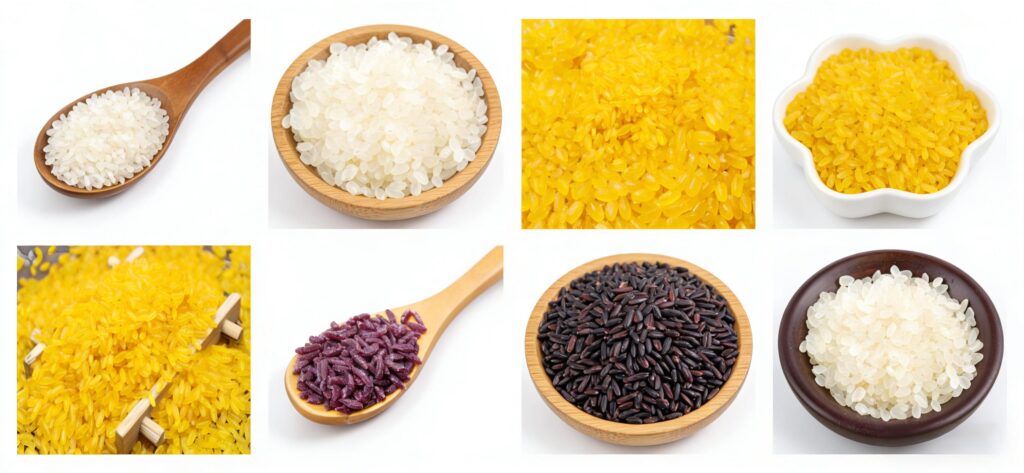
Fortified rice is regular rice enriched with essential micronutrients such as iron, folic acid, zinc, and vitamins like B12. fortified rice machinery It is designed to address malnutrition and nutrient deficiencies in populations that rely heavily on rice as a staple food. While it offers significant public health benefits, it is not necessarily suitable for everyone as a long-term daily food source.
Target Audience for Fortified Rice
- General population in rice-dependent regions – In countries where rice is consumed with almost every meal (e.g., India, Bangladesh, Indonesia, parts of Africa), fortified rice targets the broader community to prevent widespread deficiencies of iron, folate, and other micronutrients.
- Pregnant and lactating women – These groups have higher nutritional demands, especially for iron and folic acid, which support fetal development and prevent neural tube defects. Fortified rice can help meet those needs when included as part of a balanced diet.
- Children and adolescents – Rapid growth periods require adequate vitamins and minerals. Fortified rice can help prevent anemia, support cognitive development, and boost immune function in school-aged children and teenagers.
- Anemic individuals – People with iron-deficiency anemia may benefit from regular consumption of iron-fortified rice, particularly in settings where other iron-rich foods or supplements are not readily available.
- Low-income populations with limited dietary diversity – For those who cannot regularly afford meat, vegetables, or fortified cereals, fortified rice provides a cost-effective way to obtain essential nutrients without changing eating habits.
Is Fortified Rice Suitable for Long-Term Consumption by Everyone?
While fortified rice is generally safe for most people, fortified rice machinery long-term universal consumption is not recommended without considering individual health status and dietary intake.
Suitable for most healthy individuals
For healthy individuals without pre-existing metabolic disorders or nutrient excesses, consuming fortified rice as part of a varied diet is unlikely to cause harm. The nutrient levels are typically set to meet a significant portion (e.g., 30–50%) of daily requirements, not to exceed safe upper limits.

Potential risks for specific groups
- People with iron overload disorders – Conditions such as hemochromatosis, thalassemia major (with frequent transfusions), or chronic liver disease can cause excessive iron accumulation. Long-term intake of iron-fortified rice could worsen organ damage in these individuals.
- Individuals with normal or high nutrient levels from other sources – If a person already obtains sufficient or excess iron and folic acid from their regular diet (e.g., through supplements, red meat, liver, or fortified cereals), adding fortified rice daily could lead to excessive intake. Chronic excess iron may cause gastrointestinal issues, oxidative stress, and potentially increase risk of certain diseases.
- Patients on specific medications – Excess folic acid can mask vitamin B12 deficiency symptoms (especially in older adults), delaying diagnosis of pernicious anemia. Iron may interfere with absorption of certain drugs like levodopa or thyroid medications.
- Young infants (under 6 months) – Fortified rice is not designed for infants exclusively fed breast milk or formula, as their nutrient needs differ and tolerance to added minerals is limited.
Conclusion

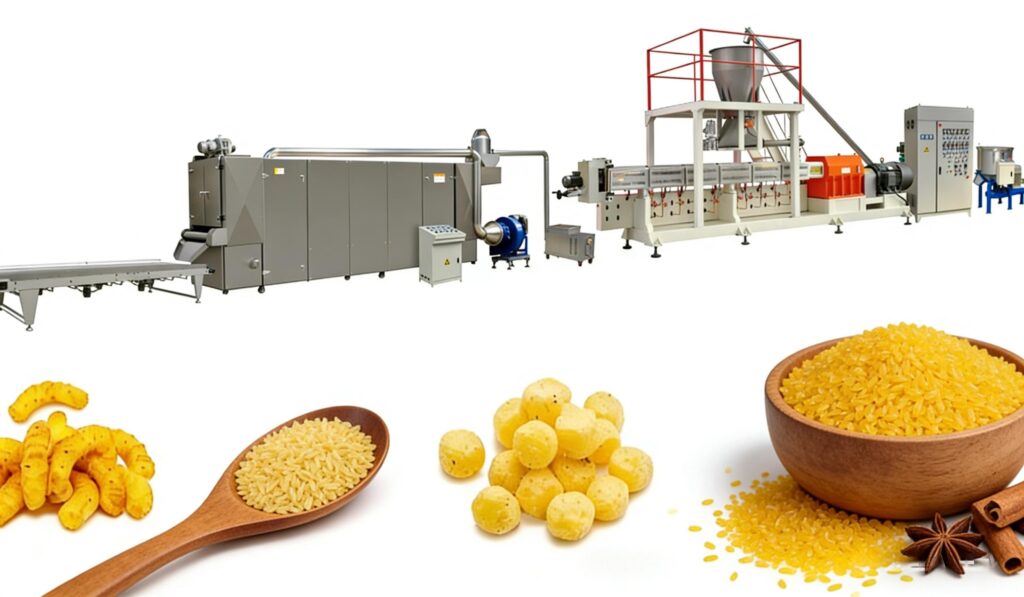
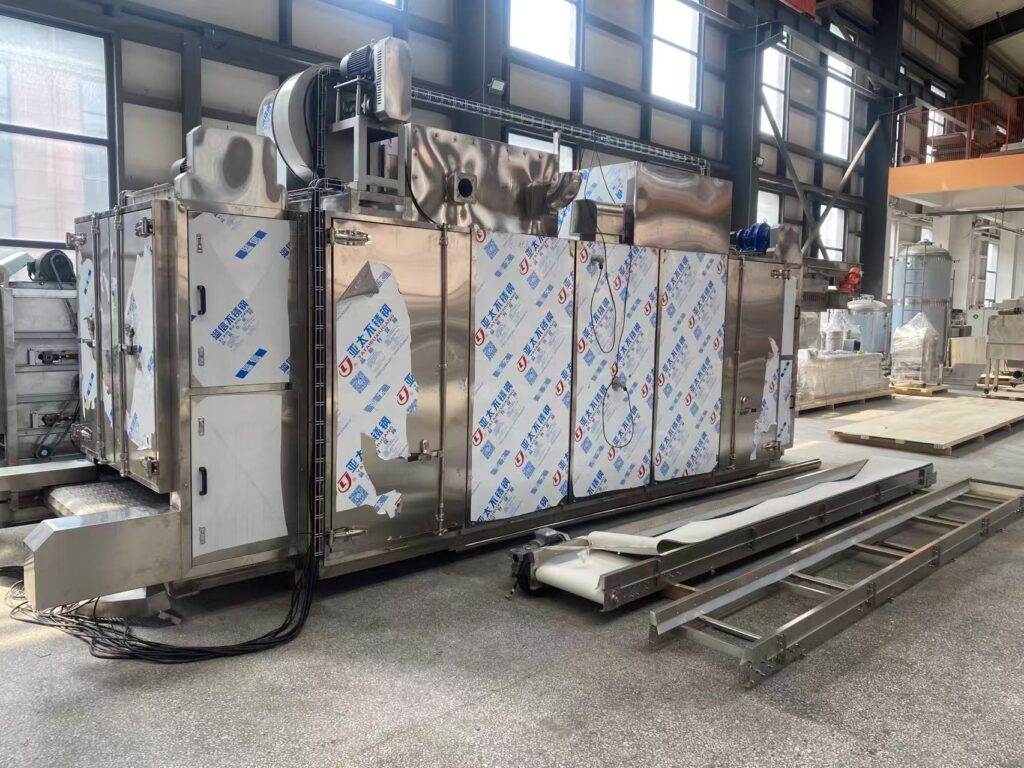
Fortified rice is a valuable public health tool aimed at reducing malnutrition in at-risk, rice-dependent populations – particularly pregnant women, children, and low-income communities. However, it is not a one-size-fits-all solution. For healthy individuals with balanced diets, occasional consumption is fine, but daily long-term use may not be necessary. fortified rice machinery For people with iron overload disorders, pre-existing high nutrient levels, or certain medical conditions, fortified rice could pose health risks. Ideally, fortified rice should be targeted to those who need it most, while alternatives (non-fortified rice) remain available for those who do not. As always, population-wide fortification programs should be accompanied by monitoring and consumer choice. If you are interested in the fortified rice machinery you can contact me , i will give you good advice and solutions .
1.Will you help us with the installation ?
Yes , We will send engineers to install and debug the equipment, and assist in training your staff.
2.Are you a factory or trading company?
We are a factory.
3.What certificate do you have?
We have ISO and CE certificate.
4.How long is the warranty period?
All of our machines have one year warranty.
5.What’s the main market of your company?
Our customers all over the world.
6.How much production capacity of your company one year?
This depends on your needs.
 Persian
  English
  Russian
  Spanish
  Italian
  Arabic
  Portuguese
  German
  French
  Japanese
  Moroccan Arabic
  Belarusian