Fortified rice is regular rice that has been enriched with essential vitamins and minerals (such as iron, folic acid, zinc, and vitamin B12) to combat malnutrition. fortified rice making machine price The key challenge in production is to create a product that looks, cooks, and tastes like natural rice while retaining its nutritional value. There are several manufacturing methods, but three main processes dominate the industry: coating (dusting), extrusion (hot or cold), and parboiling (soaking) . Below is a detailed comparison of each.
1. Coating / Dusting Process
In this method, a liquid or powdered nutrient premix is sprayed onto the surface of polished rice grains. The grains are then dried to create a thin nutrient layer on the outside.
Advantages:
Low cost – Requires minimal equipment and energy compared to other methods.
Simple technology – Easy to implement even at small-scale milling facilities.
Fast production – Can be done quickly with standard mixing and drying equipment.
Disadvantages:
Poor nutrient retention – Water-soluble vitamins (e.g., B12, folic acid) easily wash off during rinsing or cooking, especially if the rice is washed before boiling.
Uneven distribution – Nutrients may not adhere uniformly to all grains.
Low consumer acceptance – The coating can change the rice’s surface appearance, and washing off visible powder reduces trust.
Short shelf life – Nutrients degrade faster when exposed to air and light on the grain surface.
Verdict: Rarely used today for large-scale public health programs; mostly outdated.
2. Extrusion Technology (Most Common)
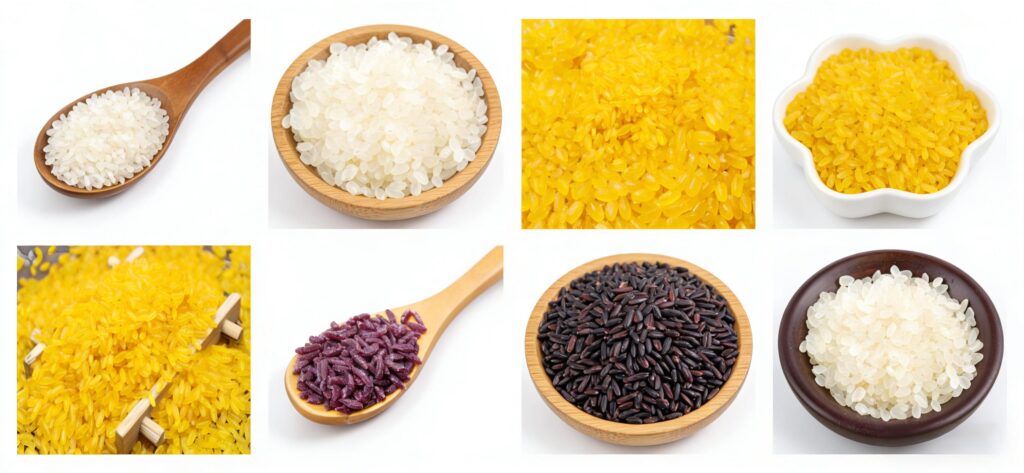
This is the modern gold standard. A rice flour dough (usually made from broken or low-grade rice) is mixed with a vitamin-mineral premix, water, and optional binders. The dough is then forced through an extruder that shapes it into rice-like kernels. fortified rice making machine price The wet kernels are steamed or dried to gelatinize the starch, giving them a texture similar to natural rice. These fortified kernels (often called “rice kernels” or “faux grains”) are then blended with natural rice at a ratio of 1:50 to 1:200 (depending on nutrient targets).
Subtypes:
Hot extrusion – Uses heat (70–110°C) to cook and shape the dough.
Cold extrusion – Uses lower temperatures and higher pressure to preserve heat-sensitive vitamins.
Advantages:
High nutrient retention – Vitamins and minerals are embedded inside the kernel, so they do not wash off during rinsing or normal cooking.
Excellent mimicry – The kernel’s size, shape, color, and texture can be closely matched to local rice varieties.
Protection from degradation – Encapsulation within the rice matrix extends shelf life (up to 12 months or more).
Scalable – Can produce hundreds of kilograms per hour with industrial extruders.
Disadvantages:
Higher capital cost – Extruders, dryers, and blending equipment require significant investment.
Energy intensive – Needs electricity and sometimes steam generation.
Quality control required – Poorly made kernels may break during cooking or have an off-taste if the premix is unbalanced.
Separation risk – Fortified kernels, being slightly harder or of different density, can settle at the bottom of storage containers if not properly mixed and handled.
Verdict: Most recommended for national fortification programs (e.g., India, Philippines, Brazil).
Natural paddy (unmilled rice) or brown rice is soaked in a hot nutrient solution containing dissolved vitamins and minerals. fortified rice making machine price The grains absorb the nutrients into their endosperm. They are then steamed (parboiled) to set the nutrients and gelatinize the starch, followed by drying and milling to produce white or brown fortified rice.
Advantages:
Good integration – Nutrients penetrate inside the grain, reducing wash-off losses.
No separate blending needed – No need for artificial “fortified kernels”; the entire batch becomes fortified rice.
Leverages existing parboiling infrastructure – In regions where parboiled rice is already popular (e.g., South India, Bangladesh), this method fits local habits.
Disadvantages:
Long processing time – Soaking can take several hours to overnight, slowing production.
Heat-vitamin losses – High temperatures during parboiling (over 100°C) can degrade sensitive nutrients like folic acid and vitamin B12.
Difficult to control dosage – Uneven soaking leads to variable nutrient content across different grains.
Changes rice properties – Parboiled rice has a different color (amber/yellowish), firmer texture, and distinct taste, which may not be accepted by consumers who prefer white, non-sticky rice.
Nutrient migration – Some minerals and water-soluble vitamins can leach back into the soaking solution, requiring careful reuse or disposal.
Verdict: More common for specific regional markets where parboiled rice is preferred, but less ideal for universal white rice fortification.
Comparison Summary Table
Process
Nutrient Retention
Cost
Equipment
Consumer Acceptance (White Rice)
Best For
Coating
Very low (washes off)
Low
Simple
Poor
Not recommended
Extrusion (hot/cold)
High (embedded)
Medium-High
Industrial extruder
Good (mimics natural rice)
Large-scale programs
Parboiling / Soaking
Medium (heat destroys some)
Medium
Existing parboiling lines
Only where parboiled rice is accepted
Parboiled-rice regions
Conclusion
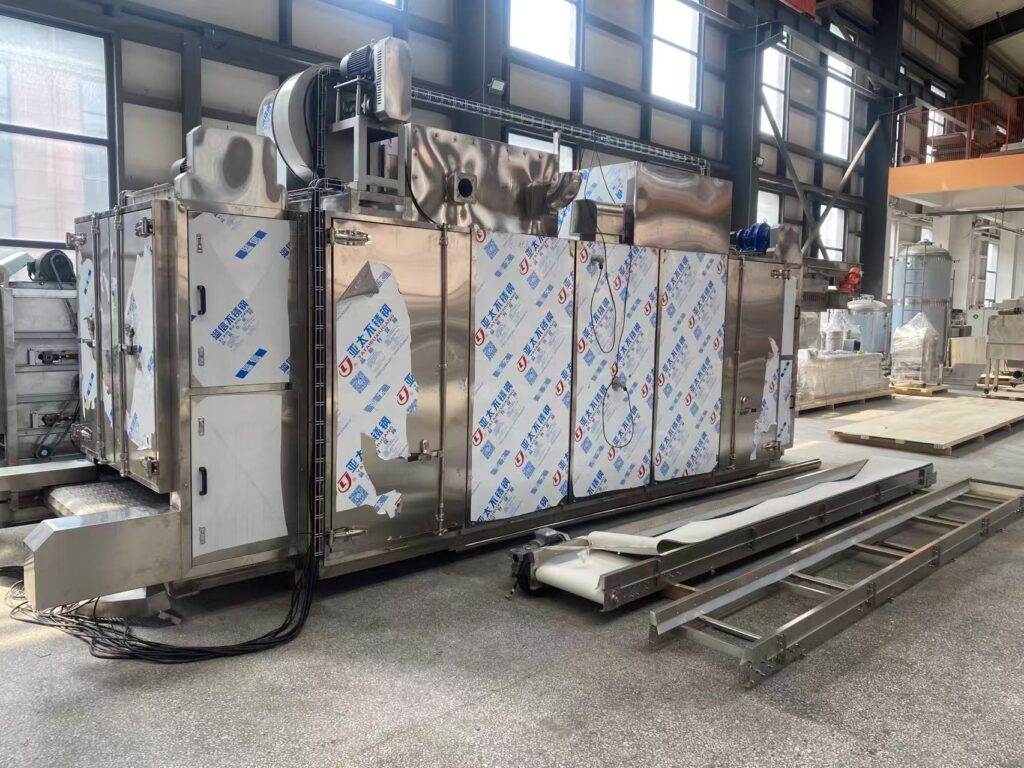
For modern, large-scale, sustainable rice fortification, extrusion technology is the clear leader because it protects nutrients from washing and cooking, offers excellent sensory similarity to natural rice, and has a proven track record in public health interventions. fortified rice making machine price Parboiling/soaking can work well in niche markets where parboiled rice is already the norm, but it suffers from heat-related vitamin losses. Coating is largely obsolete due to poor nutrient retention. Ultimately, the choice of process depends on local rice consumption habits, available infrastructure, budget, and nutrient stability requirements. If you are interested in the fortified rice making machine price you can contact me , i will give you good advice and solutions .
1.Will you help us with the installation ?
Yes , We will send engineers to install and debug the equipment, and assist in training your staff.
2.Are you a factory or trading company?
We are a factory.
3.What certificate do you have?
We have ISO and CE certificate.
4.How long is the warranty period?
All of our machines have one year warranty.
5.What’s the main market of your company?
Our customers all over the world.
6.How much production capacity of your company one year?




 Persian
  English
  Russian
  Spanish
  Italian
  Arabic
  Portuguese
  German
  French
  Japanese
  Moroccan Arabic
  Belarusian