
Introduction
Rice is the primary staple food for more than half of the world’s population, particularly in Asia, Africa, and Latin America. fortified rice machinery However, polished white rice is low in essential micronutrients such as iron, zinc, and B vitamins, leading to widespread “hidden hunger” — a deficiency of vitamins and minerals that affects billions of people. Fortified rice, which is regular rice mixed with nutrient-enriched kernels, offers a practical and effective solution. This article outlines the key advantages of fortified rice in terms of public health, economics, and social acceptance.
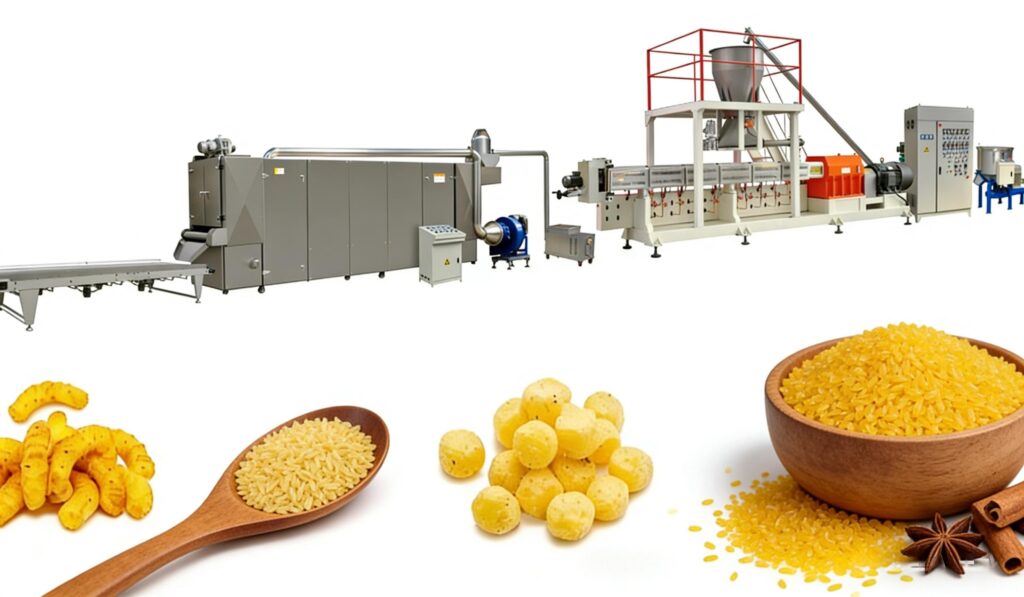
1. Effective in Combating Micronutrient Deficiencies
The most significant advantage of fortified rice is its ability to deliver essential nutrients directly through a daily dietary staple. It helps prevent and reduce:
- Iron deficiency anemia: Fortified rice with iron improves hemoglobin levels, reducing fatigue, weakness, and maternal mortality.
- Neural tube defects: Folic acid fortification supports healthy fetal development during early pregnancy.
- Vitamin A deficiency: Helps maintain vision, immune function, and skin integrity.
- Zinc deficiency: Boosts immunity and reduces diarrheal and respiratory infections in children.
Because rice is consumed in consistent, predictable amounts, fortification provides a steady and reliable source of key nutrients without requiring changes in eating habits.
2. No Change in Taste, Appearance, or Cooking Method
One of the main barriers to dietary interventions is consumer resistance to changes in sensory qualities. Fortified rice, especially when produced using extrusion technology, fortified rice machinery is designed to look, taste, and cook just like natural rice.
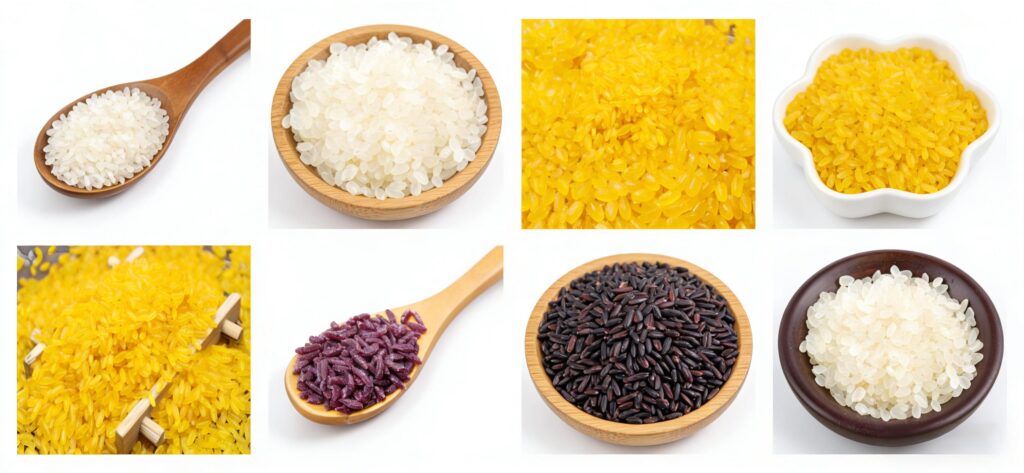
- The fortified kernels are made to mimic the size, shape, and color of local rice varieties.
- Blind taste tests have shown no significant difference in flavor or texture.
- Households do not need to alter their traditional cooking methods — the rice is rinsed and cooked normally.
This high degree of acceptability makes fortification much easier to implement than supplementation or dietary diversification programs.
3. Cost-Effective and Scalable
Compared to other public health interventions, rice fortification is very economical.
- The cost of adding vitamins and minerals to rice is typically only a few cents per person per year.
- Existing rice mills can be equipped with blending equipment at relatively low investment costs.
- Large-scale production allows governments and aid agencies to reach millions of people efficiently.
For low- and middle-income countries with limited healthcare budgets, rice fortification offers one of the highest returns on investment in nutrition.
4. Reaches Vulnerable Populations Without Stigma
Fortified rice distributes nutrients universally, reaching entire communities rather than targeting specific groups. This is particularly beneficial because:
- It avoids singling out poor or malnourished individuals, preventing social stigma.
- Children, pregnant women, the elderly, and the poor all benefit equally without special programs.
- It works through the existing food supply chain, including school feeding programs, social safety nets, and retail markets.
5. Stable and Compatible with Supply Chains
Modern fortified rice kernels are engineered for stability.

- They are resistant to nutrient loss during storage, transportation, and cooking.
- They can withstand washing and high cooking temperatures without disintegrating or losing potency.
- Fortified kernels have a long shelf life (typically 6–12 months) and can be blended just before packaging or at the mill.
This stability makes fortified rice compatible with both large-scale commercial distribution and emergency food aid programs.
6. Supports Economic Productivity and National Development
By improving the health and cognitive development of a nation’s workforce, rice fortification contributes to long-term economic growth. Studies have shown that:
- Reducing anemia increases adult work productivity by 5–17%.
- Preventing micronutrient deficiencies in early childhood improves school performance and future earning potential.
- Every dollar spent on iron fortification can return more than $10 in economic benefits due to reduced healthcare costs and increased productivity.
Conclusion

Fortified rice is a scientifically proven, cost-effective, and socially acceptable strategy to fight hidden hunger on a massive scale. fortified rice machinery It offers multiple advantages: it delivers essential nutrients without changing diet or taste, protects vulnerable populations without stigma, integrates easily into existing food systems, and generates strong economic returns. As governments and international organizations seek sustainable solutions to malnutrition, rice fortification stands out as one of the most promising interventions of the 21st century.
 Spanish
  English
  Russian
  Italian
  Arabic
  Portuguese
  German
  French
  Japanese
  Moroccan Arabic
  Persian
  Belarusian