
As a pet parent, you want the very best for your furry friend. While commercial dog foods are convenient and formulated to meet basic nutritional standards, dog food extruder many owners are turning to homemade diets for greater control over ingredients, quality, and freshness. Making nutritious dog food at home allows you to cater to allergies, picky eaters, and specific health needs.
However, it’s crucial to understand that canine nutrition is a science. A balanced diet is far more than just meat and rice. This guide will walk you through the core principles, safe ingredients, and a simple recipe to get you started—but always consult your veterinarian or a canine nutritionist before making a permanent switch.
The Golden Rule: Balance Over Time
Dogs, unlike cats, are omnivores. They thrive on a mix of proteins, fats, carbohydrates, vitamins, and minerals. A single meal doesn’t need to be perfect, but the overall diet must be balanced over several days or a week. The most common mistake in homemade diets is a lack of essential micronutrients like calcium, zinc, and vitamin D.

The 5 Essential Building Blocks
A nutritious homemade meal should generally follow this ratio (by volume, not weight):
- Protein (40-60%): The foundation of good health. Use lean, high-quality sources.
- Great choices: Ground turkey, chicken (thighs/breast without skin), lean beef (90/10), beef liver (in small amounts), eggs, fish (salmon, sardines—cooked and deboned).
- Vegetables (25-30%): For fiber, antioxidants, and vitamins. Most should be pureed or finely chopped and lightly cooked for better digestion.
- Great choices: Spinach, broccoli, carrots, green beans, zucchini, pumpkin (not pie filling), sweet potatoes.
- Avoid: Onions, garlic, leeks, chives, and raw mushrooms.
- Carbohydrates (20-25%): For energy and healthy digestion. While dogs don’t need carbs, they provide important fiber and nutrients.
- Great choices: Brown rice, quinoa, rolled oats, sweet potatoes, pumpkin.
- Healthy Fats (a small but critical amount): For a shiny coat and brain health.
- Sources: Fish oil (salmon or krill), flaxseed oil, or the fat from your chosen meat (in moderation).
- Vitamin & Mineral Premix (Non-negotiable): This is where most homemade diets fail. You cannot get enough calcium from eggshells alone.
- Solution: Purchase a reputable canine vitamin and mineral premix (e.g., Balance IT, Dog Aware). Alternatively, add calcium (ground eggshell powder or bone meal) and a trace mineral supplement as directed by a vet.
Foods That Are Toxic to Dogs (Never Feed)
- Xylitol (artificial sweetener – deadly even in small amounts)
- Chocolate & Caffeine
- Grapes & Raisins (can cause kidney failure)
- Onions & Garlic (damage red blood cells)
- Macadamia nuts
- Raw dough or unbaked bread yeast
Step-by-Step Recipe: Turkey & Veggie Rice Bowl
This recipe is designed for an average 30lb (14kg) healthy adult dog. Adjust portions based on your dog’s weight, age, and activity level.
Makes approximately 8 cups of food (enough for 4 days for a 30lb dog).
Ingredients:
- 1 lb (450g) lean ground turkey (93/7 or leaner)
- 1 cup brown rice (uncooked)
- ½ cup chopped carrots
- ½ cup chopped green beans
- ½ cup chopped spinach
- ¼ cup pure pumpkin puree (not pie filling)
- 2 tablespoons fish oil (or as directed on bottle)
- Canine vitamin/mineral premix (amount as per product instructions)
Instructions:
- Cook the rice: Rinse the brown rice and cook according to package directions (usually 2 cups water to 1 cup rice, simmer 35-40 minutes). Set aside.
- Brown the meat: In a large non-stick skillet, dog food extruder cook the ground turkey over medium heat until no longer pink. Drain any excess fat if needed (leave a little for healthy fat).
- Steam the veggies: While the meat cooks, steam the carrots, green beans, and spinach until just tender (about 5-7 minutes). Steaming preserves more nutrients than boiling.
- Combine & cool: In a large mixing bowl, combine the cooked rice, cooked turkey, steamed vegetables, and pumpkin puree. Stir thoroughly. Allow the mixture to cool completely (to room temperature).
- Add fats & supplements (Crucial step – never heat the supplements): Once cooled, stir in the fish oil and the canine vitamin/mineral premix according to the package weight guide. High heat can destroy delicate nutrients.
- Portion & store: Divide into meal-sized portions. Refrigerate for up to 3 days or freeze for up to 3 months.
How Much to Feed?
This is a rule of thumb. For an adult dog, feed approximately 2-3% of their ideal body weight per day.

- Example: A 30lb dog needs about 0.6 – 0.9 lbs (10-14 oz) of food daily.
- Split this into two meals (morning and evening).
- Monitor body condition: You should be able to feel (but not see) your dog’s ribs. Adjust portions up or down 10-15% if your dog is losing or gaining weight.
Important Safety & Transition Tips

- Slow transition (7–10 days): Start by replacing 25% of their old food with homemade, then 50%, 75%, and finally 100%. A sudden change can cause vomiting or diarrhea.
- Never guess on calcium: Excess phosphorus (from meat) without calcium leads to bone disease. Always add the calcium source (premix or ground eggshell).
- Rotate proteins for diversity: One week use turkey, the next week salmon, then beef. This reduces the risk of developing new allergies and ensures a broader nutrient profile.
- Consult a professional: Have a veterinary nutritionist review your recipe. They can run an analysis to confirm it meets AAFCO (Association of American Feed Control Officials) standards.
A Final Word
Making homemade dog food is a beautiful act of love, but it comes with responsibility. dog food extruder A poorly planned homemade diet can be more harmful than the cheapest commercial kibble. Do not rely on random Pinterest recipes. Start with a veterinarian-approved recipe, use a quality premix, and monitor your dog’s stools (firm and brown = good; soft and yellow = too much fat or imbalance). With care and science, you can prepare meals that are both delicious and deeply nutritious for your best friend.

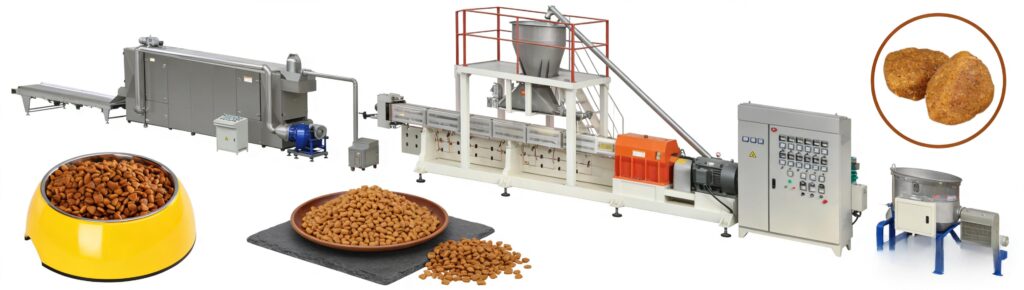
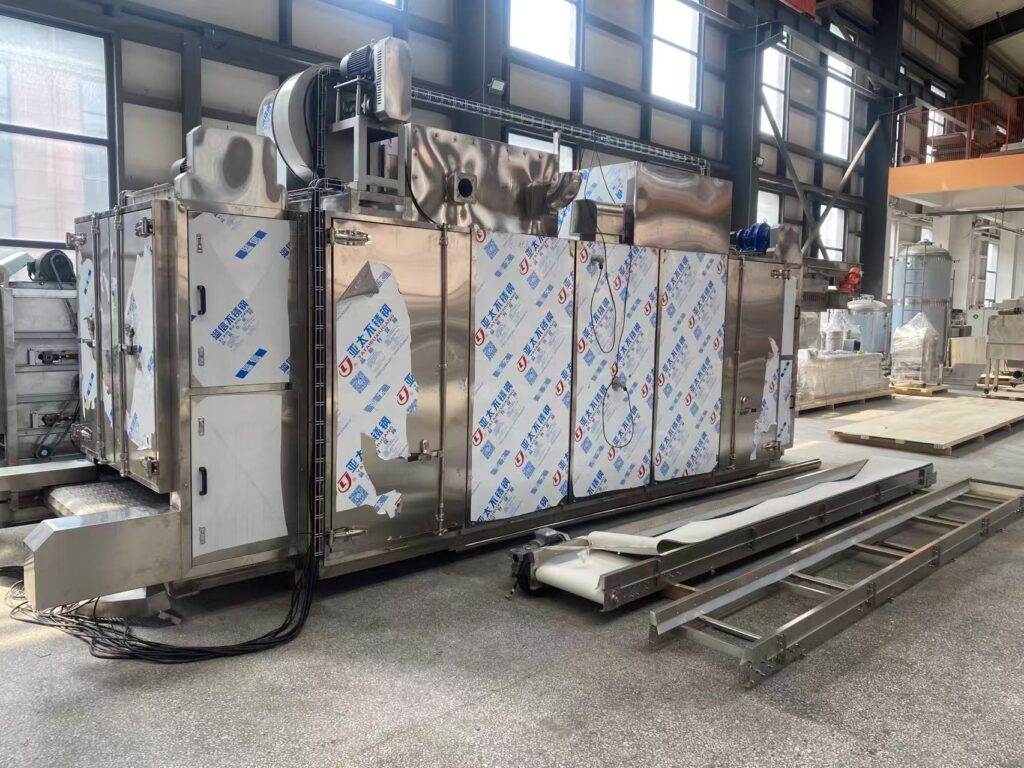
If you are interested in dog food extruder you can contact me , i will give you good advice and solutions .
1.Will you help us with the installation ?
Yes , We will send engineers to install and debug the equipment, and assist in training your staff.
2.Are you a factory or trading company?
We are a factory.
3.What certificate do you have?
We have ISO and CE certificate.
4.How long is the warranty period?
All of our machines have one year warranty.
5.What’s the main market of your company?
Our customers all over the world.
6.How much production capacity of your company one year?
This depends on your needs.
 German
  English
  Russian
  Spanish
  Italian
  Arabic
  Portuguese
  French
  Japanese
  Moroccan Arabic
  Persian
  Belarusian