
At first glance, baked dog food and extruded (commonly known as puffed ) dog food look similar. Both come in dry, shelf-stable pieces. dog food extruder However, the way they are made leads to significant differences in texture, nutrient retention, digestibility, and production cost.
Understanding these differences can help you make a more informed choice for your canine companion.
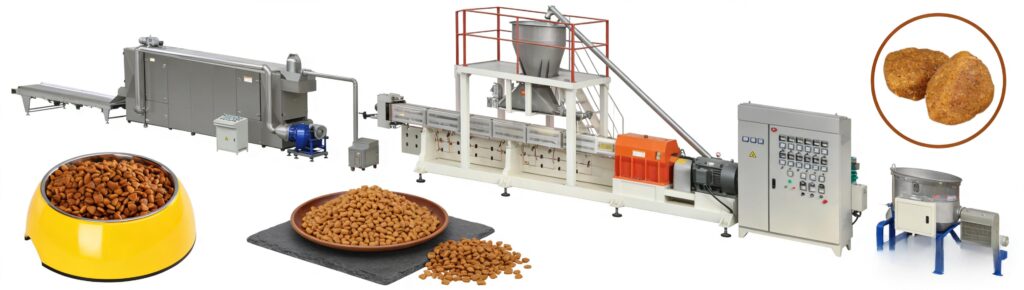
The Core Difference: How They Are Made
Extrusion (Puffed Kibble)
This is the industry standard for the vast majority of commercial dry dog foods. The process involves:
- Mixing: Raw ingredients (meat meals, grains, vegetables) are ground and mixed into a dough.
- Cooking: The dough is forced through a machine called an extruder under high heat (typically 130-200°C / 270-390°F) and intense pressure.
- Expansion: As the dough is pushed through a die (a shaped hole), it rapidly expands—like a hot air balloon popping—due to the sudden drop in pressure. This creates the light, puffy kibble structure.
- Drying & Coating: The kibble is dried and then sprayed with fats, oils, and vitamins (many of which were destroyed by the heat).
Baking
This process is much closer to how we make cookies or biscuits at home.
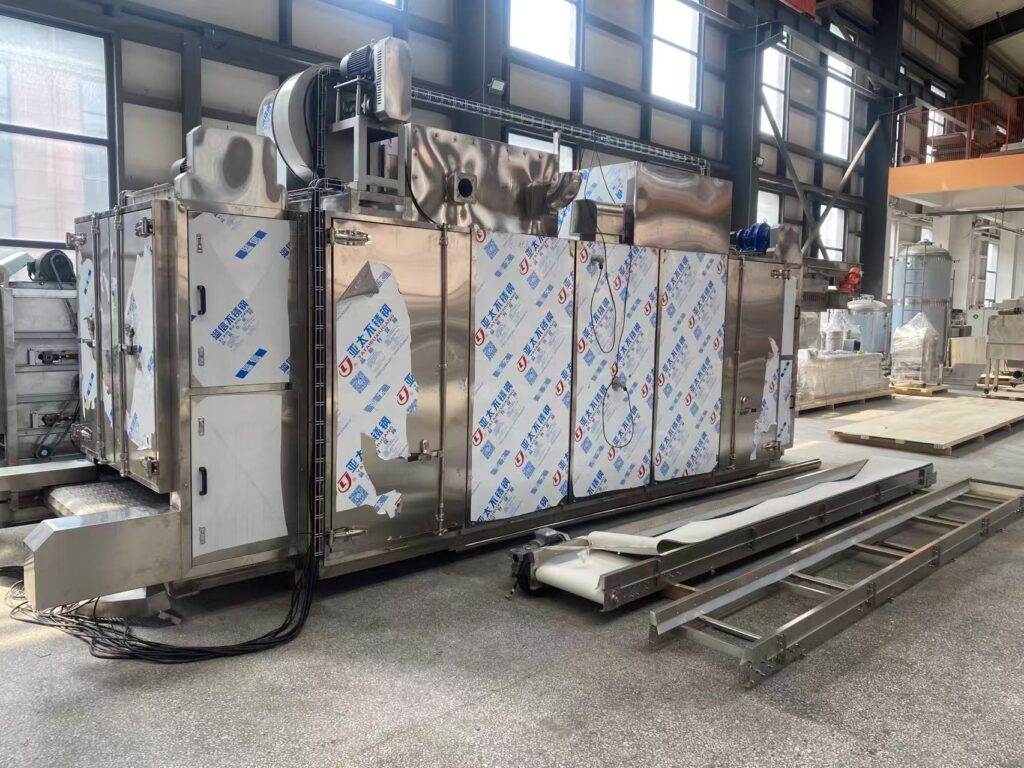
- Mixing: Similar to extrusion, ingredients are combined into a dough. However, the dough is usually denser and may contain less starch.
- Shaping: The dough is rolled and cut into shapes or pressed into molds.
- Baking: The shaped pieces move through a long oven with gentler, dog food extruder consistent heat (typically 120-180°C / 250-350°F). They bake slowly until they are dry and hard.
- Cooling: The baked biscuits are cooled and may receive a light coating (though many are left uncoated).
Key Differences at a Glance
| Feature | Extruded (Puffed) Kibble | Baked Dog Food |
|---|---|---|
| Cooking Temp | High (130-200°C) | Moderate (120-180°C) |
| Texture | Light, airy, porous, crunchy | Dense, hard, crunchy, biscuit-like |
| Expansion | High (puffs up) | Minimal (holds shape) |
| Nutrient Loss | High (heat-sensitive vitamins, enzymes) | Lower (gentler heat) |
| Fat Coating | Almost always sprayed after cooking | Rarely sprayed; fat is mixed in dough |
| Shelf Life | Long (12-18 months) | Moderate (6-12 months) |
| Cost to Produce | Lower (fast, continuous process) | Higher (slower, batch process) |
Detailed Breakdown: Pros and Cons
Extruded Dog Food (Puffed)

Pros:
- Cost-Effective: High-speed production makes it affordable for manufacturers and consumers.
- Extremely Long Shelf Life: The intense heat sterilizes the product, and the dry, puffed structure resists moisture.
- Highly Palatable (Coated): The post-cooking fat spray makes it very tasty for most dogs.
- Versatile Shapes: The extrusion die can create stars, rings, triangles, or any shape imaginable.
Cons:
- Significant Nutrient Loss: High heat degrades natural vitamins (A, C, E, B-complex) and enzymes. These must be sprayed back on afterward (synthetic fortification).
- Starch-Heavy: To achieve the “puff,” the recipe needs a high percentage of starchy carbohydrates (like potatoes, rice, or corn). This can spike blood sugar.
- Risk of Acrylamide: High-heat cooking of starches can produce acrylamide, a potential carcinogen (though levels are generally considered safe in pet food).
- Less Natural Texture: The porous texture can absorb moisture in the bowl and become mushy.
Baked Dog Food
Pros:
- Better Nutrient Retention: The gentler heat preserves more natural vitamins, minerals, and amino acids. Less synthetic fortification is required.
- Lower Starch, Higher Protein: Baked recipes don’t need as much starch to hold their shape. dog food extruder They can be denser with meat.
- Dental Benefits: The dense, hard, biscuit-like texture requires more chewing, which can help scrape plaque off teeth.
- No External Fat Coating: Since fat isn’t sprayed on, the surface isn’t oily. This means less mess on your hands and less risk of the food going rancid quickly.
- More “Whole Food” Feel: It often looks and smells more like human baked goods.
Cons:
- More Expensive: The slower batch-cooking process costs more in time and energy.
- Shorter Shelf Life: Once opened, baked foods can go stale faster (6-9 months vs. 12+ months for extruded). They are also more susceptible to moisture.
- Less Palatable (Initially): Without the heavy fat coating, some picky eaters may reject baked food at first.
- Denser Calories: Because they aren’t puffed with air, baked foods have more calories per cup. You may need to feed a smaller volume.
Which One is Better for Your Dog?
Choose Extruded (Puffed) Kibble if:
- You need a very budget-friendly option.
- You have a picky eater who loves heavily coated kibble.
- You buy food in bulk and need a very long shelf life.
- Your dog has no starch sensitivities.
Choose Baked Dog Food if:
- You want a less processed, more natural dry food.
- Your dog has sensitivities to grains or high-starch diets.
- You prioritize nutrient retention over ultra-long shelf life.
- You want a food that supports dental health through chewing.
- You are willing to pay a premium for gentler processing.
The Bottom Line
Extrusion is an engineering marvel that allows us to produce safe, affordable, and convenient dry dog food for millions of dogs. However, it comes at the cost of nutrient degradation and high starch content.

Baking is a slower, more traditional method that prioritizes ingredient integrity over speed and cost. While it is more expensive and has a shorter shelf life, dog food extruder many pet owners and veterinarians believe the improved nutrient profile and lower starch levels make it a superior choice.
Final Tip: No matter which you choose, look for a brand that lists a named meat (e.g., “chicken” or “beef”) as the first ingredient, and avoid artificial preservatives, colors, and flavors. And as always, consult your veterinarian before making a major diet change—especially if your dog has health issues.
 Belarusian
  English
  Russian
  Spanish
  Italian
  Arabic
  Portuguese
  German
  French
  Japanese
  Moroccan Arabic
  Persian