
Extruders are powerful, high-temperature, high-pressure machines widely used in food, feed, and plastic processing. Improper operation can lead to serious injuries, including burns, crushing, amputations, and even fatal explosions. Understanding and strictly following safety protocols is non-negotiable for all operators and maintenance personnel.
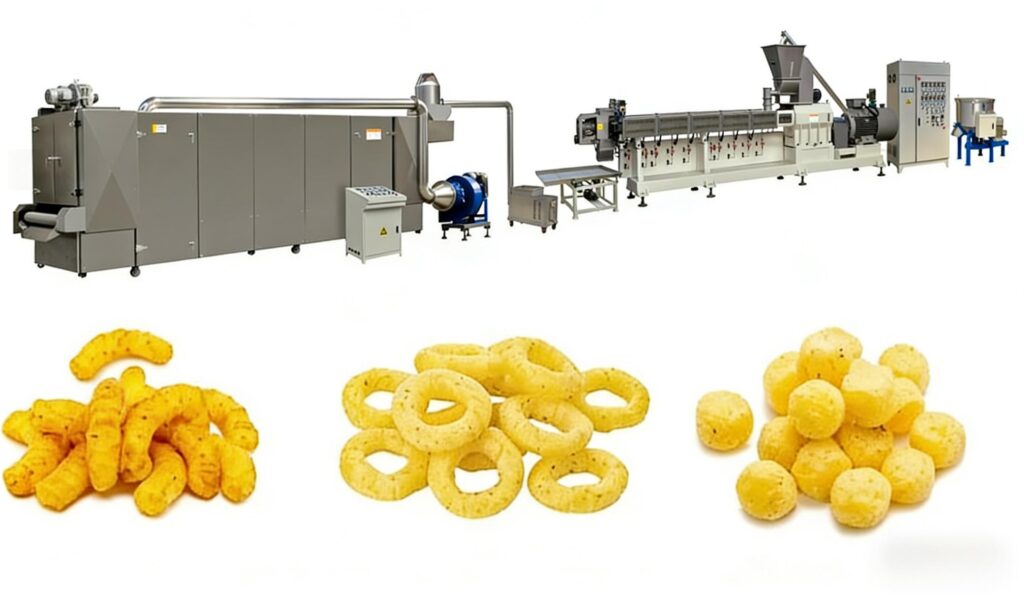
Below are the critical safety precautions grouped by operational phase.
1. Pre-Startup Safety Checks
- Inspect all guards and interlocks: Never bypass or remove safety guards on drive couplings, belts, chains, or hot surfaces. Verify that all electrical and mechanical safety interlocks (e.g., door switches, torque limiters) are functional.
- Check screw and barrel assembly: Ensure screws are correctly assembled and secured. Confirm the barrel sections are properly tightened.
- Verify cleanout: After previous runs, check that no hardened or foreign material remains inside the barrel, which could cause seizure or pressure spikes.
- Secure all connections: Tighten all die bolts, thermocouple fittings, and feed inlet clamps. Loose dies can be ejected under pressure.
- Emergency stops: Test all emergency stop buttons and pull cords around the machine. They must stop the motor and feeders immediately.
2. Startup and Warm-Up Safety
- Preheat gradually: Follow the manufacturer’s heating sequence. Uneven or too-rapid heating can cause thermal stress and barrel cracking.
- Never start with cold material: Ensure the barrel reaches operating temperature before introducing feed. Starting with cold, unmelted material can create dangerous pressure spikes (dry plugging).
- Low-speed start: Begin screw rotation at the lowest speed (jog mode) and gradually increase. Listen for unusual noises like metal-to-metal contact.
- Stand clear of the die: During startup, material may exit suddenly, sometimes with steam, hot oil, or molten plastic. Always stand to the side, never directly in front of the die opening.
3. Operational Safety (Running Mode)

- Personal Protective Equipment (PPE) mandatory:
- Heat-resistant gloves
- Safety glasses with side shields or full face shield
- Long-sleeve, heat-resistant clothing
- Steel-toe boots (for cleaning or die changes)
- Hearing protection (noise often exceeds 85 dB)
- Beware of pressurized hot material: The inside of an extruder barrel can exceed 100 bar (1450 psi) and 150–250°C (300–480°F). Never loosen a die, barrel bolt, or vent port plug while the machine is under pressure.
- Do not reach into the feed hopper: Use a paddle or tool to clear bridges. Hands or fingers inserted can be pulled into the screws.
- Keep area dry and clean: Spilled oil or hot melt can cause slips and severe contact burns. Clean spills immediately.
- Monitor pressure and temperature: Never exceed the machine’s maximum safe operating pressure (often marked on a placard). A sudden pressure rise without flow increase is a critical warning.
- Lockout/Tagout (LOTO) before any intervention: Even for a quick wipe of the die face, stop the screws and motor completely. Do not rely on “inch” mode for cleaning.
4. Handling Blockages (Plugging)
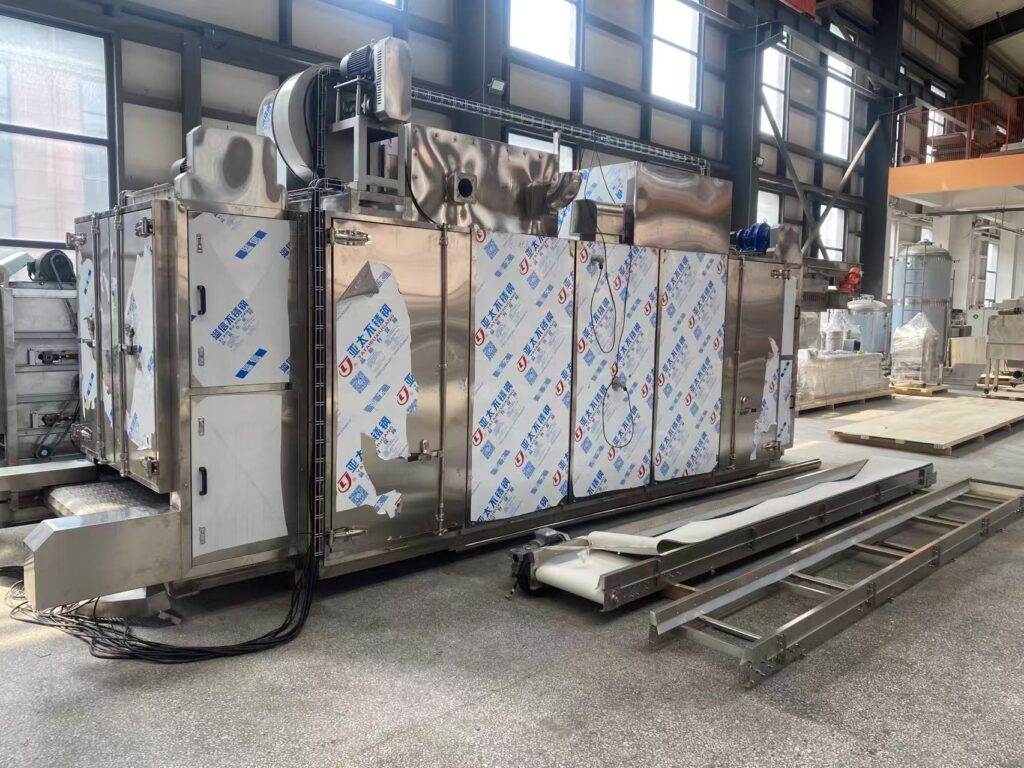
- Never attempt to clear a die blockage by force: Do not hammer a die plate or use a metal rod while the machine is running or under pressure.
- Stop and depressurize: Shut off the feeder, stop the screws, and allow the pressure to bleed down naturally (or via vent ports if designed).
- Reverse screws (if equipped): Some twin-screw extruders have a reverse jog function – use it only as per manual instructions.
- Hot clearance: If material has solidified, reheat the zone carefully, then use specialized non-sparking tools. Never use a torch directly on the barrel.
5. Shutdown and Cleaning Safety
- Purge safely: When switching materials, use approved purge compounds. Hot purging can splash – stand clear.
- Cool down before opening: After shutdown, allow the barrel to cool below 60°C (140°F) before opening clamps or removing the screw assembly, unless the manual specifies hot disassembly.
- Handling screws: Extruder screws can weigh 50–500 kg. Use lifting equipment and two-person teams. Wear cut-resistant gloves – screw flights are sharp.
- Lockout during cleaning: When dismantling the die or pulling screws, apply LOTO to prevent accidental start-up.
6. Emergency Response

| Emergency | Action |
|---|---|
| Die blowout / hot material spray | Hit emergency stop immediately. Evacuate the area. Use safety shower if skin contact occurs. |
| Fire inside barrel (smoke from die) | Stop feeders and screws. Shut off heat. Do NOT open the barrel – oxygen will feed the fire. Use CO₂ extinguisher on external fire. |
| Steam explosion (wet feed + high temp) | Emergency stop. Retreat. Do not approach until pressure is vented. |
| Person caught in screws | Hit nearest emergency stop. Do NOT reverse the machine. Call emergency medical services immediately. |
7. Operator Training and Culture
- Never operate without training: Only trained and authorized personnel should start or adjust an extruder.
- Daily safety briefing: Before shift, review any process changes or maintenance work in progress.
- Post safety instructions: Place clear, pictogram-based safety cards near the control panel, die area, and feed port.
- Report near misses: Every minor incident (e.g., a loose die, unexpected pressure spike, glove caught) must be reported to prevent major accidents.
Final Reminder
An extruder is not a “fit and forget” machine. It is a high-energy system that demands respect. Safety is not a checklist – it is a continuous mindset.
When in doubt, stop the machine, lock it out, and ask a supervisor. No production target is worth a hand, an eye, or a life.
 Belarusian
  English
  Russian
  Spanish
  Italian
  Arabic
  Portuguese
  German
  French
  Japanese
  Moroccan Arabic
  Persian