
Extruded breadcrumbs, produced through extrusion cooking rather than traditional fermentation and baking, have emerged as a functionally superior alternative for coating and snack applications. This article examines the specific advantages of extruded breadcrumbs and their expanding range of applications in the food industry.

What Are Extruded Breadcrumbs?
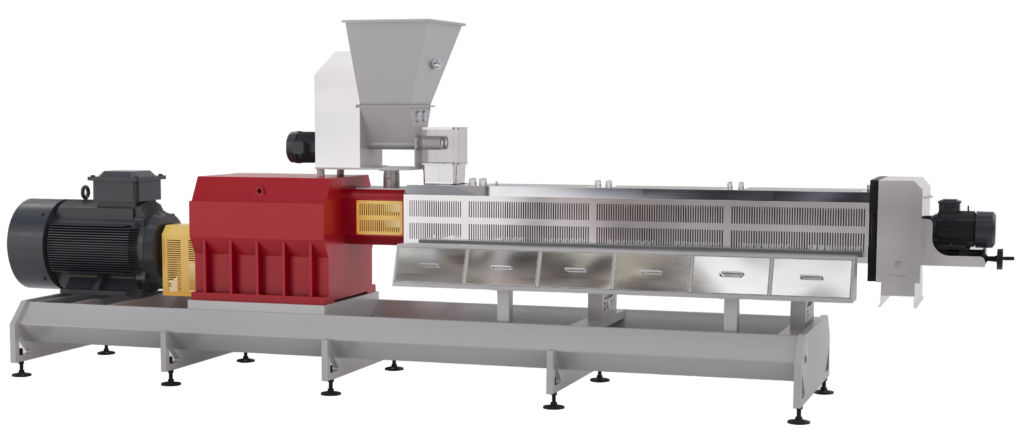
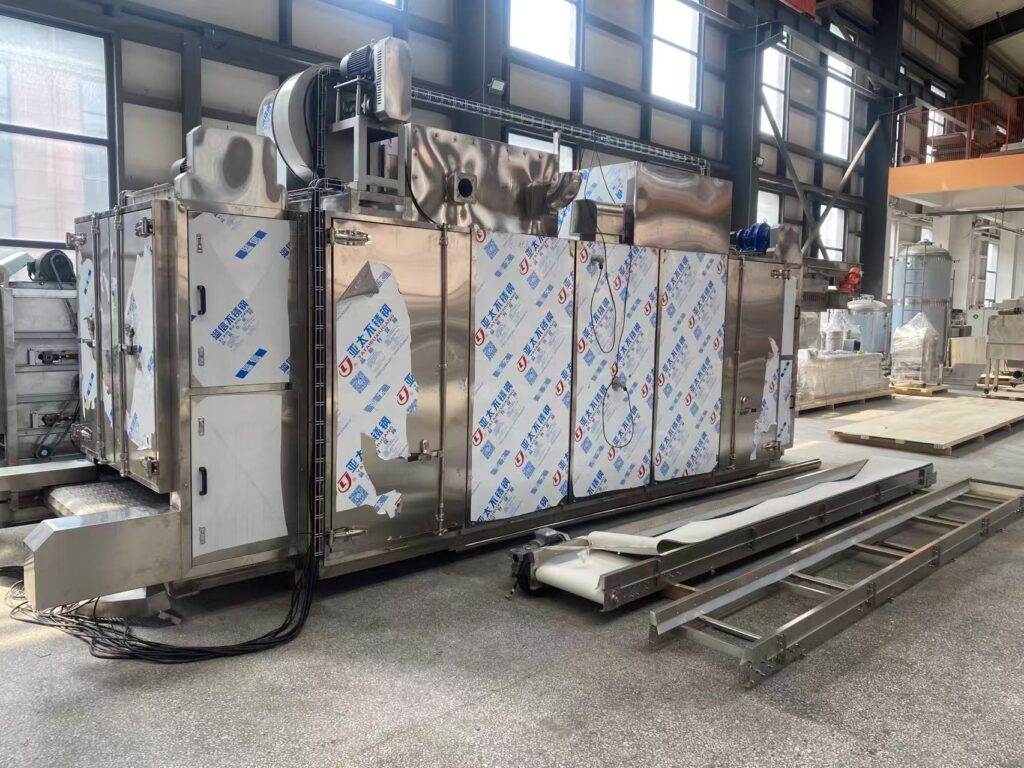
Extruded breadcrumbs are manufactured by feeding a mixture of starchy materials—typically flour, water, and optional additives—through a screw-type extruder. Under conditions of high temperature, pressure, and shear stress, the material is cooked, gelatinized, and shaped as it passes through a die. The extrudate is then cut, dried, and milled into crumb particles . Unlike conventional breadcrumbs, which require fermentation, baking, cooling, and grinding, extrusion cooking accomplishes mixing, cooking, expansion, and forming in a single continuous operation .
Advantages of Extruded Breadcrumbs
Superior Texture and Expansion
Extrusion cooking produces crumbs with a distinctive porous structure that translates into exceptional crispness. Research comparing breadcrumb extrudates to wheat flour extrudates found that breadcrumb-based extrudates achieved expansion indices as high as 7.57–8.07 at low feed moisture content, significantly exceeding the 5.88–6.01 range of wheat flour extrudates . This high expansion yields a lighter, more delicate crumb with softer and more crispy texture characteristics .

Enhanced Coating Performance
Extruded breadcrumbs offer practical advantages for food processors. Their particles are regular and full-bodied, with a natural rough surface texture that provides strong adhesion to substrates, reducing the likelihood of coating detachment during frying . The porous structure formed during extrusion also contributes to a desirable “flake” effect and three-dimensional texture on the finished product surface .
Reduced Oil Uptake
One of the most commercially significant advantages of extruded breadcrumbs is their reduced oil absorption during frying. A study on fish balls coated with extruded versus conventional breadcrumbs found that extruded crumb coatings maintained lower fat content and showed reduced free fatty acid formation during frozen storage . This lower oil uptake not only improves the nutritional profile of fried products but also reduces manufacturing costs by limiting oil consumption .
Improved Shelf Stability and Moisture Retention
Extruded breadcrumbs demonstrate superior water binding capacity compared to oven-baked alternatives—34.76 g H₂O/kg versus 27.92 g H₂O/kg in one comparative study . This property helps coated products resist moisture migration and maintain crispness during transport and storage. The extrusion process also inactivates enzymes and reduces microbial load, contributing to extended shelf life .
Nutritional and Digestibility Benefits
The high temperature and pressure of extrusion cooking gelatinizes starch, denatures proteins, and modifies the molecular structure of the raw materials, making the final product easier to digest . Studies have also shown that extruded breadcrumbs can carry higher dietary fiber content than wheat flour extrudates . When supplemented with resistant starch, breadcrumb extrudates have achieved total dietary fiber contents exceeding 6%, allowing them to qualify for “high fiber content” claims under European Union regulations .
Process Efficiency and Consistency
Extrusion cooking is a continuous, highly controllable process that produces consistent product quality with minimal batch-to-batch variation . The process can produce breadcrumb-like products in approximately 8 hours, compared to up to 36 hours for conventional methods . This efficiency, combined with the ability to use bread waste or by-product streams as raw material, offers both economic and sustainability advantages .
Versatility in Shape and Form
By changing the die and cutter configuration, extruders can produce crumbs in a wide variety of shapes and sizes—including granular crumbs, needle-shaped crumbs, flake forms, and even novelty shapes like stars and crescents . This flexibility enables manufacturers to create differentiated products for specific market segments, from standard commercial coatings to visually distinctive premium items.
Applications of Extruded Breadcrumbs
Coating for Fried and Baked Foods
The primary application for extruded breadcrumbs remains as a coating for fried products—chicken, fish, meat cutlets, croquettes, and seafood . The strong adhesion and crisp texture make them particularly suitable for industrial-scale production of frozen prepared foods, where coating integrity must survive freezing, transport, and reheating.
Frozen Food Products
Extruded breadcrumbs are well-suited for frozen food applications due to their moisture resistance and stability during frozen storage. Studies on frozen fish balls coated with extruded crumbs demonstrated that the products remained acceptable for six months at -22°C, with spoilage indicators remaining lower than those of conventionally coated products .

Snack Food Applications
Beyond traditional coating uses, breadcrumb extrudates are being developed as snack bases themselves. Research has explored incorporating resistant starch into breadcrumb formulations to create high-fiber snack products with good expansion and crispness . This application addresses both the growing demand for healthier snacks and the need to add value to bread waste streams.
Gluten-Free Products
Extrusion cooking is a suitable process for producing gluten-free expanded crumbs. Because the process relies on starch gelatinization and mechanical energy rather than gluten network development, alternative flours and starch blends can be used to create functional coatings for gluten-free products .
Specialty and Decorative Coatings
The ability to produce shaped crumbs—stars, crescents, and other novelty forms—creates opportunities for premium and visually distinctive applications in food service and retail. These specialty crumbs add value and visual appeal to fried products, particularly in the growing market for innovative fast-food and snack items .
Conclusion
Extruded breadcrumbs offer a compelling combination of functional performance, processing efficiency, and product versatility. Their superior expansion, adhesion, moisture retention, and reduced oil uptake make them advantageous for both conventional coating applications and emerging food product development. As the food industry continues to seek healthier, more consistent, and more sustainable ingredients, extrusion technology is positioned to play an increasingly prominent role in breadcrumb manufacturing.
 Moroccan Arabic
  English
  Russian
  Spanish
  Italian
  Arabic
  Portuguese
  German
  French
  Japanese
  Persian
  Belarusian