
Every day, millions of cat owners pour a scoop of dry, brown kibble into a bowl, trusting that it contains everything their feline needs. But have you ever wondered how those uniform, crunchy morsels are actually made? The journey from raw ingredients to finished bag is a fascinating, highly industrialised process that significantly impacts the nutritional value of the final product.
Let’s pull back the curtain on the five main stages of cat food processing.
1. The Raw Ingredient Reception
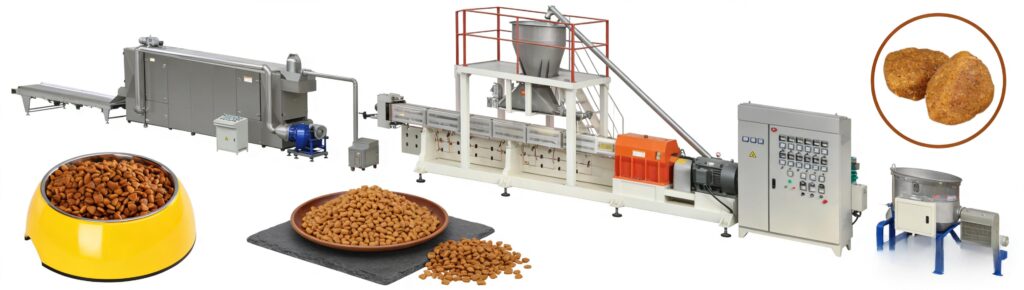
It all begins at a rendering or processing plant. Contrary to the “whole chicken breast” image on premium brands, most kibble starts with rendered meat meals (chicken meal, fish meal, lamb meal). cat food making machine These are not whole cuts of meat, but rather clean, rendered tissues—including bones, offal, and cartilage—that have been cooked down to remove fat and water, leaving a concentrated protein powder.
Alongside this, a dry mix of grains (corn, wheat, rice), starches (potatoes, tapioca), vitamins, and synthetic minerals is prepared. The quality of these base ingredients is the primary differentiator between economy and super-premium foods.
2. Grinding and Batching
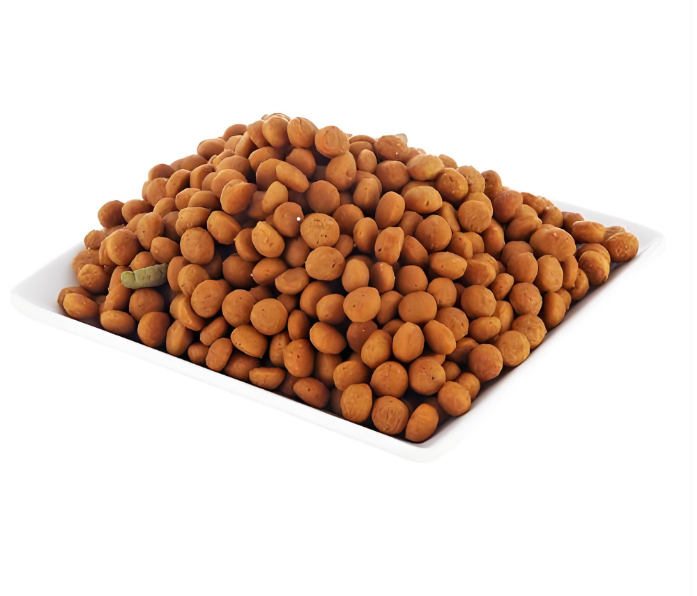
The individual components are fed into a industrial hammer mill, where they are ground into a fine, flour-like powder. This ensures that every pellet will have a uniform texture. This powder is then precisely weighed and mixed in a massive ribbon blender according to a strict “recipe” or formulation.
Liquid ingredients (animal fats, oils, digest – a spray-dried enzyme mixture that makes the food smell irresistible) are added to the dry powder to create a sticky, pre-dough mixture.
3. Extrusion: The Heart of Kibble Making
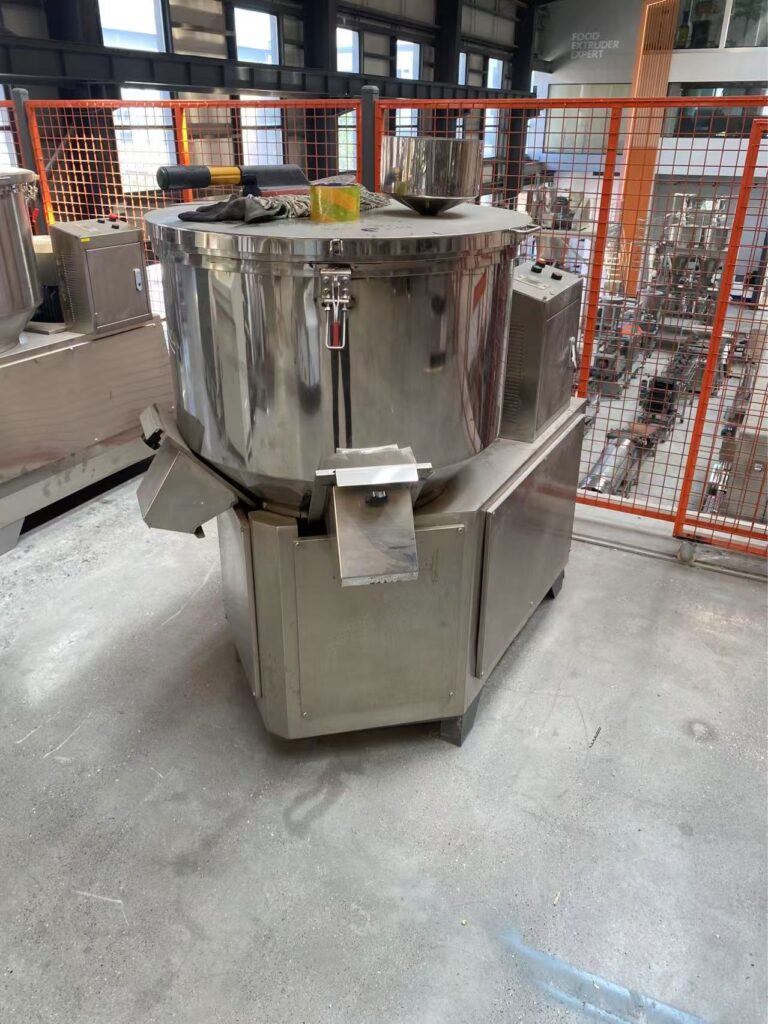
This is the most critical step. The dough is fed into a machine called an extruder – essentially a giant, high-pressure auger or screw. Inside the barrel, three things happen simultaneously:

- Steam and hot water are injected, cooking the starch and protein.
- High pressure (up to 600 psi) and high temperature (up to 180°C/350°F) force the dough through a die plate.
- The “Puff” – As the hot, plasticized dough exits the die, it hits normal atmospheric pressure. The sudden pressure drop causes superheated water inside the dough to flash into steam, instantly expanding the kibble (similar to how popcorn pops). A rotating knife cuts the extruded ribbon into individual pieces.
Industry Secret: The high heat of extrusion destroys natural enzymes and heat-sensitive vitamins (like Vitamin B1, C, and probiotics). These are almost always sprayed back onto the kibble after cooking to meet nutritional labels.
4. Drying and Coating
The freshly extruded kibble is soft, moist (roughly 25% water), and prone to mould. It travels through a massive, multi-tiered dryer oven where hot air (up to 150°C/300°F) circulates to reduce moisture to a shelf-stable 6–10%.
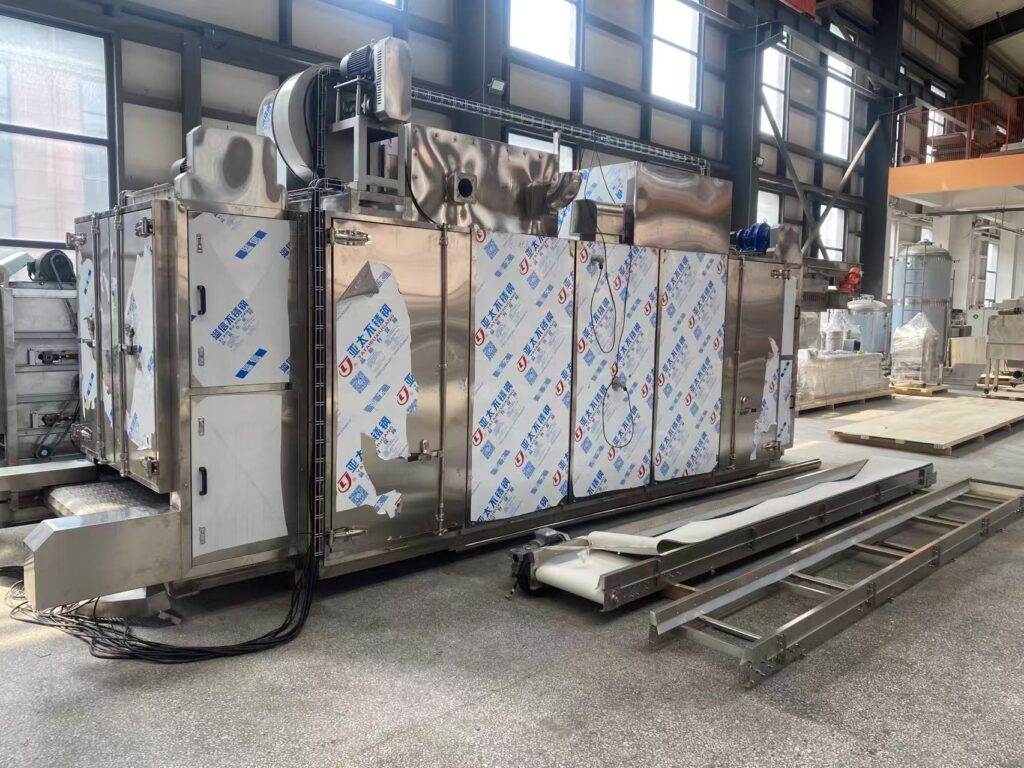
Once dry and crunchy, the kibble enters a coating drum (a rotating, inclined cylinder). Here, a vacuum spray system applies the “palatability enhancers”:
- Animal fats (chicken fat, fish oil) for energy and texture.
- Artificial flavour sprays (often called “digests”) to mimic fresh meat.
- The missing heat-sensitive vitamins (thiamine, taurine, etc.) are sprayed on at the very last second.
5. The “Human Grade” vs. “Pet Grade” Reality
Finally, the kibble is cooled, sifted to remove fines (dust and broken pieces), cat food making machine and bagged. However, the end product is a processed food that bears almost no resemblance to a cat’s natural diet (small rodents, birds, and insects).
Revelation: The term “human-grade” is legally meaningless for pet food unless the entire facility is a human-food facility. Most kibble uses 4-D meat (from animals that are dead, dying, diseased, or downed at slaughter) that is legal for pet consumption but banned from human supply chains.

The Hidden Cost of Convenience
While extrusion allows for affordable, shelf-stable, and convenient feeding, the process has significant drawbacks:

- Loss of moisture: Dry food is 10% water; mice are 70% water. Chronic dehydration is a leading cause of feline kidney disease.
- High carbohydrate load: To make a kibble puff and hold its shape, you need starch. Cats have no salivary amylase and are obligate carnivores. Most kibble contains 30–50% carbs – a biological mismatch.
- Acrylamide formation: The high-heat drying process creates acrylamides (potential carcinogens) and advanced glycation end-products (AGEs), which promote inflammation.
Conclusion

Next time you read a cat food label promising “real chicken as the first ingredient,” remember: that chicken has been ground, pressure-cooked at extreme temperatures, dehydrated, and finally sprayed with synthetic vitamins. The extrusion process is a marvel of industrial engineering, but it is also the reason why veterinarians increasingly recommend incorporating wet or raw food into your cat’s diet. Understanding the “how” helps you ask better questions about the “why.”
 Arabic
  English
  Russian
  Spanish
  Italian
  Portuguese
  German
  French
  Japanese
  Moroccan Arabic
  Persian
  Belarusian