
1. Feasibility Analysis & Market Research
Before any capital is committed, a thorough feasibility study is essential to validate the business case. This initial phase assesses the viability of the project from technical, financial, and commercial perspectives.
- Market Assessment: Analyze the target market’s demand for fortified rice. Are the primary customers government procurement programs (e.g., public distribution systems, school feeding programs), food processing companies, or retail consumers? Understanding the dominant channel in your region (e.g., Asia-Pacific accounts for over 52% of the market) is critical.
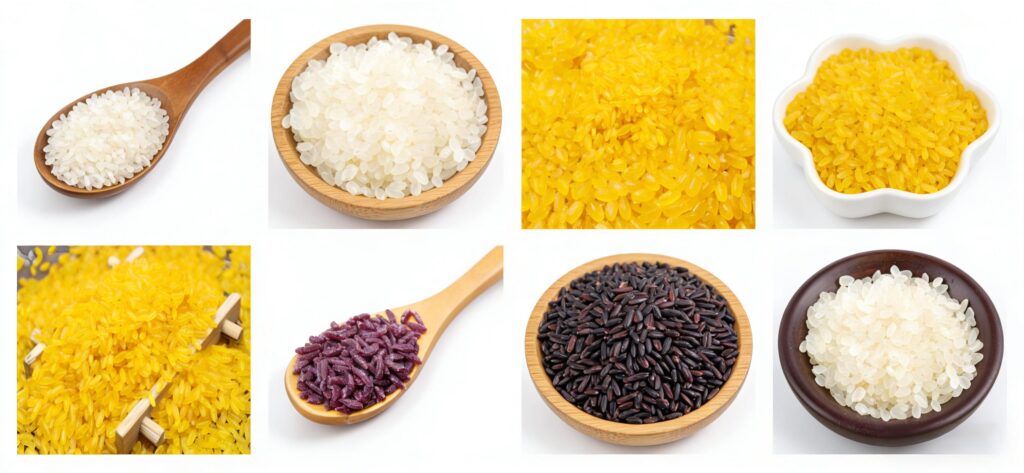
- Technology Selection: There are two primary fortification technologies: coating and extrusion. The “hot extrusion” method produces Fortified Rice Kernels (FRKs), which are rice-shaped kernels made from a dough of rice flour and micronutrients. This is the most common and effective method for large-scale production. Your feasibility study must analyze the economic trade-offs. According to the Food Fortification Initiative, initial capital investment can range from $0.3 million for coating technology to $4 million for hot extrusion technology.
- Financial Modeling: Develop detailed financial projections, including capital expenditures (CAPEX), operating costs (OPEX), projected revenues, return on investment (ROI), and break-even analysis. The cost to fortify one metric ton of rice is estimated to be between US$ 10 and US$ 30.
2. Legal, Regulatory & Compliance Framework
Fortified rice is a regulated food product, and compliance is non-negotiable. This step ensures the product is safe, properly labeled, fortified rice machinery and accepted by government and institutional buyers.
- Regulatory Approvals: Identify and secure all necessary permits related to food manufacturing. You must comply with local and international food safety standards, such as GMP and HACCP.
- Production Standards: Adhere to specific technical standards for fortified rice. For example, many regulations mandate a specific blending ratio (e.g., 1 part FRK to 99 parts regular rice) and a coefficient of variation (CV%) of ≤15% to ensure nutrient uniformity. They also dictate strict limits on moisture, temperature, and humidity for storage (e.g., temperature ≤25°C, humidity <60%).
- Quality & Labeling Requirements: Use only food-grade materials (e.g., virgin PP/LDPE for packaging) and non-toxic inks for labeling. All fortificants (like iron, folic acid, and Vitamin B12) must be sourced from approved suppliers.
3. Site Selection & Infrastructure Setup
The physical facility must be designed specifically for the unique processes of extrusion, drying, and blending.
- Location Selection: Choose a location that balances proximity to raw rice supplies, access to major transportation routes for distribution, and availability of utilities (power, water). A production capacity of at least 5 metric tons per hour is often cited as the threshold for economic feasibility in modern mills.
- Facility Requirements: The building must meet stringent food-grade specifications. This includes:
- Flooring: Smooth, non-porous, and slip-resistant (e.g., concrete).
- Layout: Physical separation between production, warehousing, and office areas.
- Utilities: A reliable source of clean water (often requiring an on-site RO water treatment plant) and a consistent power supply (a generator is frequently recommended for backup).
- Pest Control: Implementation of comprehensive systems to prevent rodents and insects.
4. Technology, Equipment & Production Process
The core of the investment is the production line. fortified rice machinery This is the most technically demanding phase. The typical process for creating FRKs via hot extrusion follows a specific flow.

- The Production Flow (From Broken Rice to FRK):
- Grinding/Pulverizing: Broken or low-grade rice is milled into fine flour (60-80 mesh).
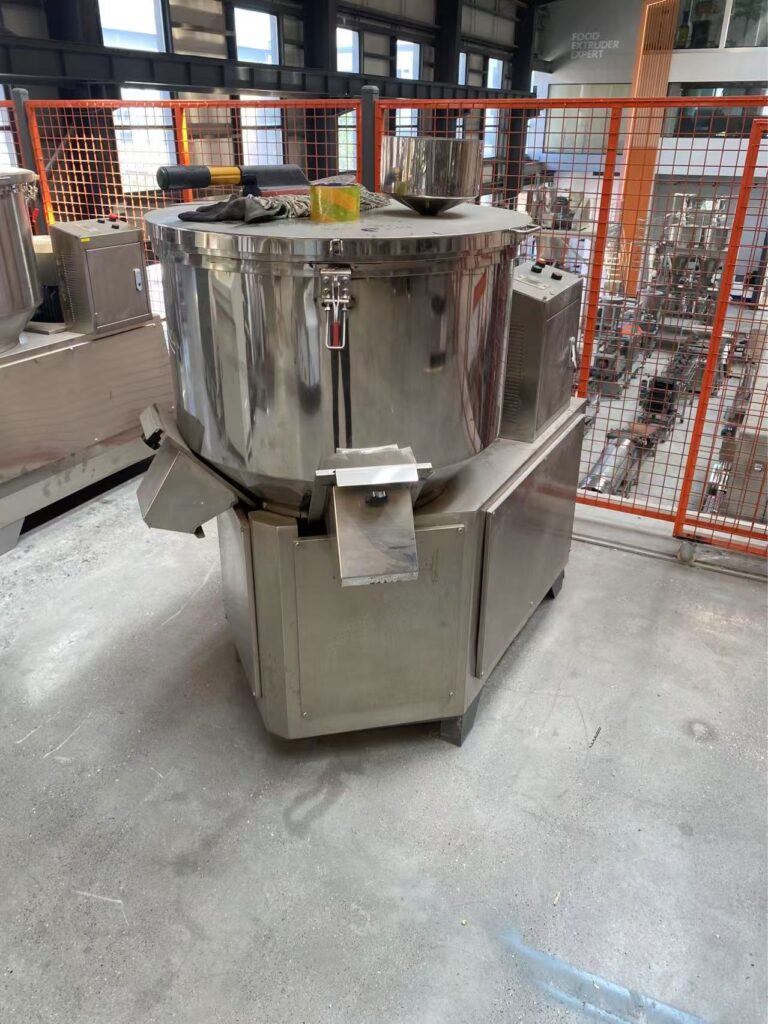
- Mixing: The rice flour is precisely mixed with water and a premix of vitamins and minerals (micronutrients).
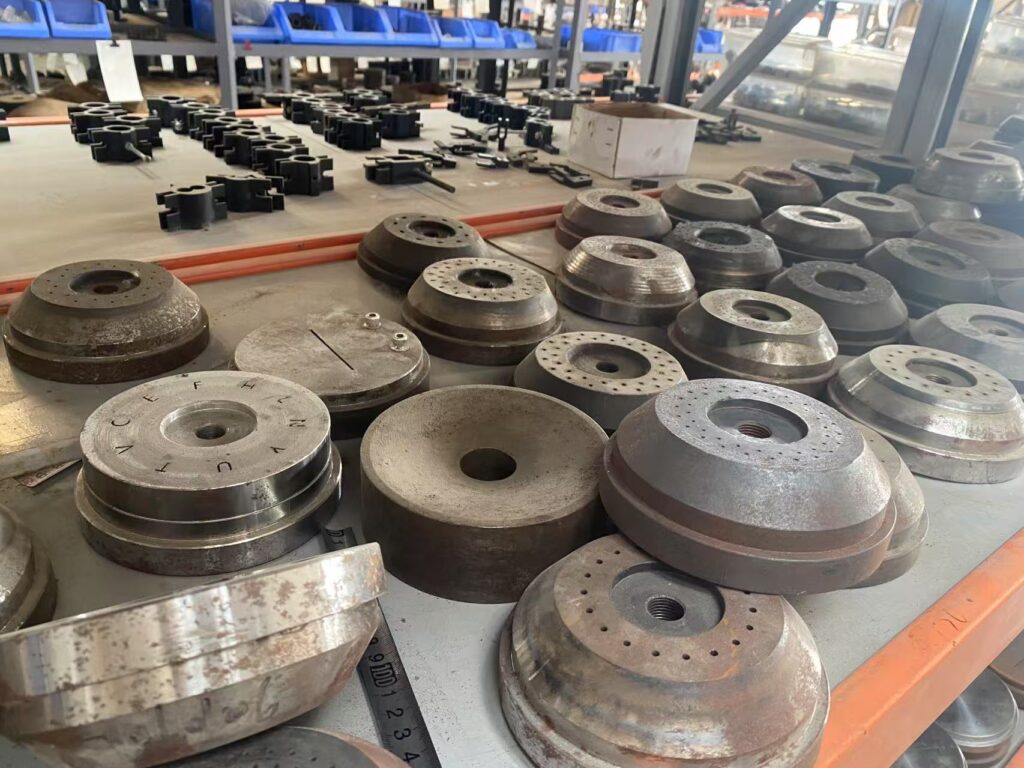
- Extrusion: A twin-screw extruder cooks the dough under high heat and pressure, gelatinizing the starch and forming it into rice-like kernels. This is the heart of the line.
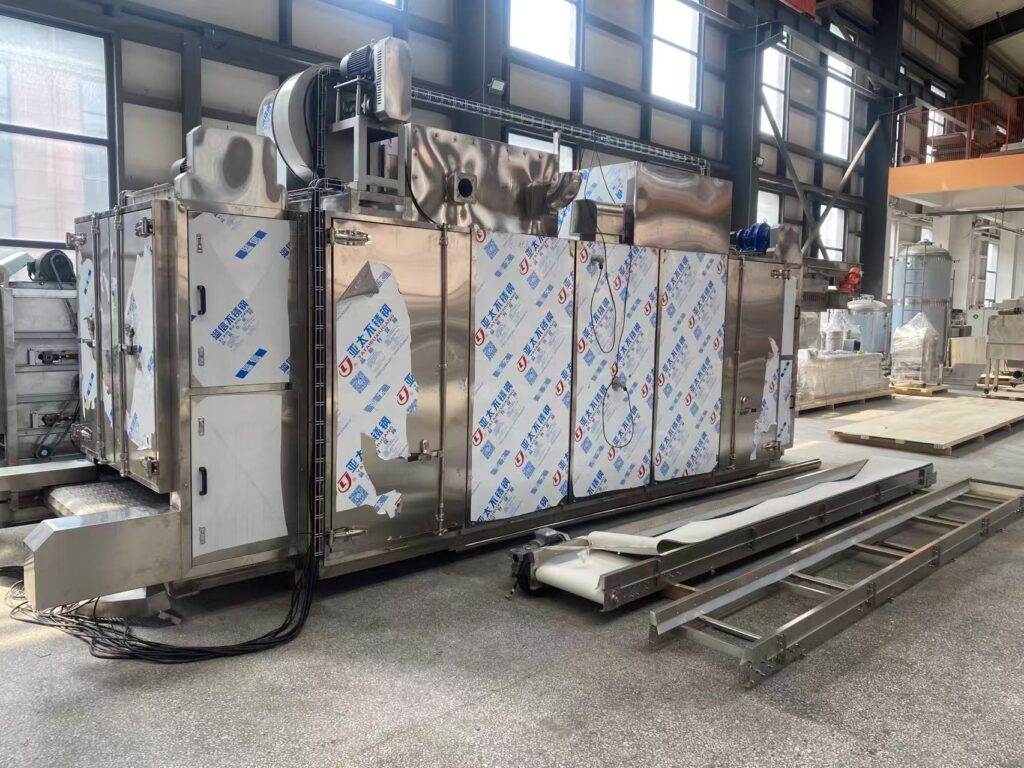
- Drying: The moist, hot kernels pass through a multi-tier dryer (often electric or gas-heated) to reduce moisture content to a stable level (typically <12%), ensuring a long shelf life.
- Cooling: The dried kernels are cooled to room temperature before packaging.
- Blending (Offline): The final step involves blending the FRKs with regular polished rice at the mandated ratio (e.g., 1:99) using a specialized blending machine.
- Capacity Considerations: Production lines are available in various capacities. A small-scale line might produce 120-150 kg/hour, while industrial lines can produce 300-500 kg/hour or more.
5. Operational Requirements & Workforce Planning
A high-tech line requires a skilled workforce to operate it efficiently and maintain quality standards.
- Manpower: A modern, automated line can be operated with a small crew. For example, a line with a capacity of 500 kg/hr may require only 1-2 operators per shift. However, you will also need quality control technicians, maintenance staff, and logistics personnel.
- Training: All personnel working in the production area must undergo annual training on GMP (Good Manufacturing Practices) and food safety protocols. This includes the “four prohibitions” (no smoking, eating, drinking, or spitting in production areas).
- Quality Assurance (QA): Establish an on-site lab to conduct regular tests. This includes testing the raw rice for aflatoxins or foreign matter, checking the nutrient levels in the FRKs, and ensuring the 1:99 blend uniformity. Records must be maintained for at least two years beyond the product’s shelf life.
6. Supply Chain & Logistics
The process doesn’t end when the product is made; you must manage how it arrives and leaves your facility.
- Raw Material Sourcing: Secure a consistent supply of high-quality broken rice (or rice flour) and a reliable, certified supplier for the vitamin/mineral premix.
- Storage: Raw materials (rice) and finished goods (FRKs and blended rice) require pest-free, temperature-controlled storage. Packaging materials must be stored in a separate, clean area.
- Packaging & Distribution: Select a packaging system (e.g., vacuum or nitrogen-flushed bags) that preserves the product’s quality and prevents rodent or insect damage. Packages typically should not exceed 10kg for retail or institutional use.
Summary Checklist for Investors
| Phase | Key Actions |
|---|---|
| 1. Feasibility | Market analysis, technology selection (coating vs. extrusion), financial modeling (CAPEX/OPEX). |
| 2. Legal & Compliance | Secure food manufacturing license, comply with blending ratio (e.g., 1:99) and labeling laws. |
| 3. Site & Infrastructure | Select strategic location, build food-grade facility with power (generator) and water (RO) systems. |
| 4. Equipment | Procure the integrated line: Pulverizer → Mixer → Extruder → Dryer → Cooler → Blender. |
| 5. Operations | Hire skilled operators (1-2 per shift), implement GMP training, set up on-site lab for QA. |
| 6. Logistics | Establish supply chain for premix & rice, manage climate-controlled storage, set up packaging & distribution. |
By systematically addressing these six workstreams, an investor can navigate the complexities of the fortified rice market. With strong government backing and a global CAGR of nearly 10% for extrusion lines, this is a strategic investment in both nutrition and long-term industrial growth. If you are interested in the fortified rice machinery you can contact me , i will give you good advice and solutions .

1.Will you help us with the installation ?
Yes , We will send engineers to install and debug the equipment, and assist in training your staff.
2.Are you a factory or trading company?
We are a factory.
3.What certificate do you have?
We have ISO and CE certificate.
4.How long is the warranty period?
All of our machines have one year warranty.
5.What’s the main market of your company?
Our customers all over the world.
6.How much production capacity of your company one year?
This depends on your needs.
 Arabic
  English
  Russian
  Spanish
  Italian
  Portuguese
  German
  French
  Japanese
  Moroccan Arabic
  Persian
  Belarusian