
Introduction
Fortified rice is an effective vehicle for delivering essential micronutrients, but consumer acceptance largely depends on its sensory similarity to traditional, non-fortified rice. To achieve this, manufacturers must carefully replicate three key attributes: visual appearance, mouthfeel (texture), and aroma. Below are evidence-based strategies for each parameter.
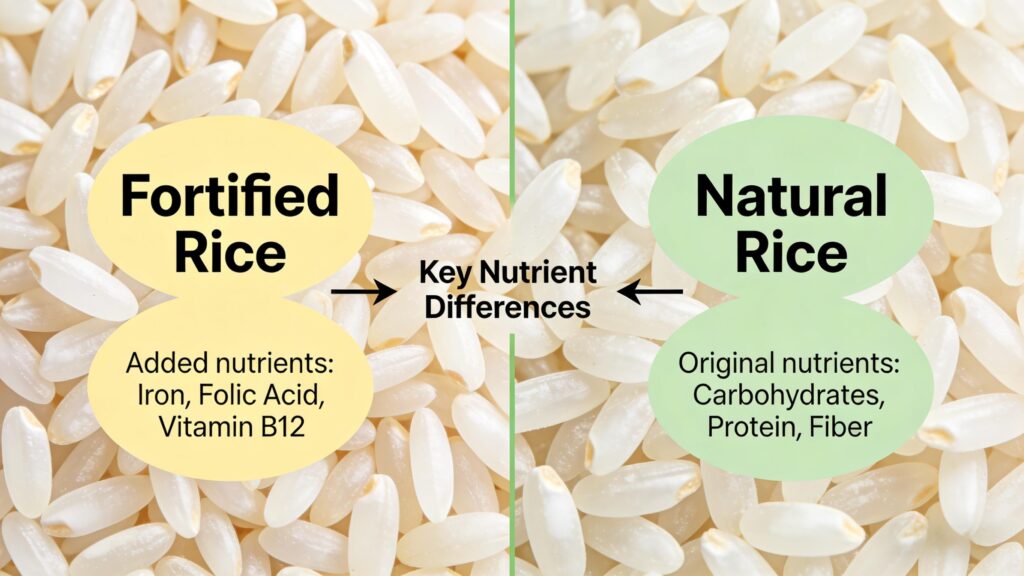
1. Appearance
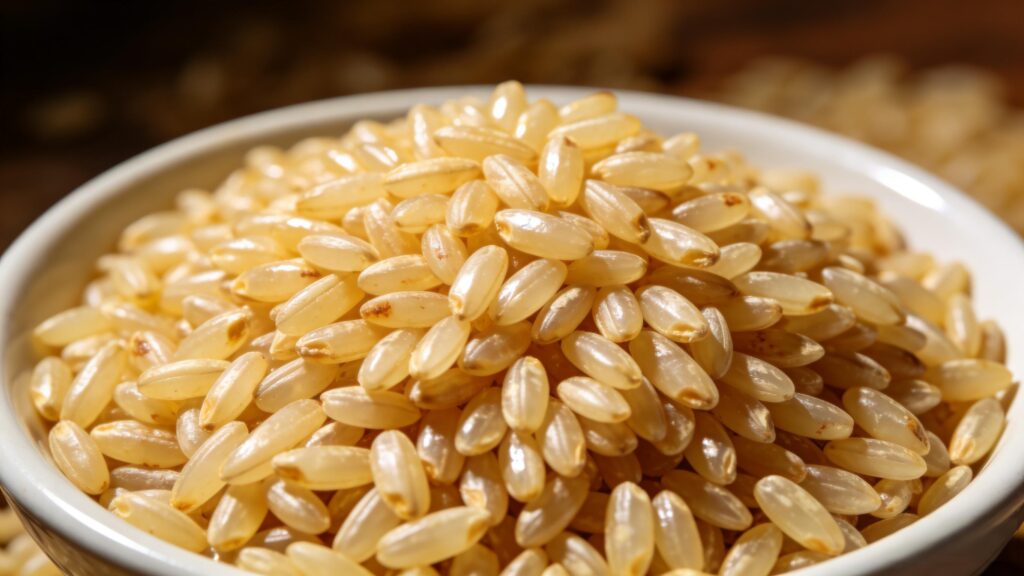
- Kernel shape and size: Use extrusion or coating technologies that produce fortified kernels matching the length, width, and thickness of the target local rice variety (e.g., long-grain, medium-grain, or short-grain).
- Color: Avoid adding pigments that give an artificial yellow or white tint. Use natural rice flour as the base and limit the concentration of colored micronutrients (e.g., iron or vitamin B complex) to prevent speckling.
- Surface finish: Apply a thin lipid or starch-based coating to mimic the natural translucency and slight gloss of milled rice.
2. Texture

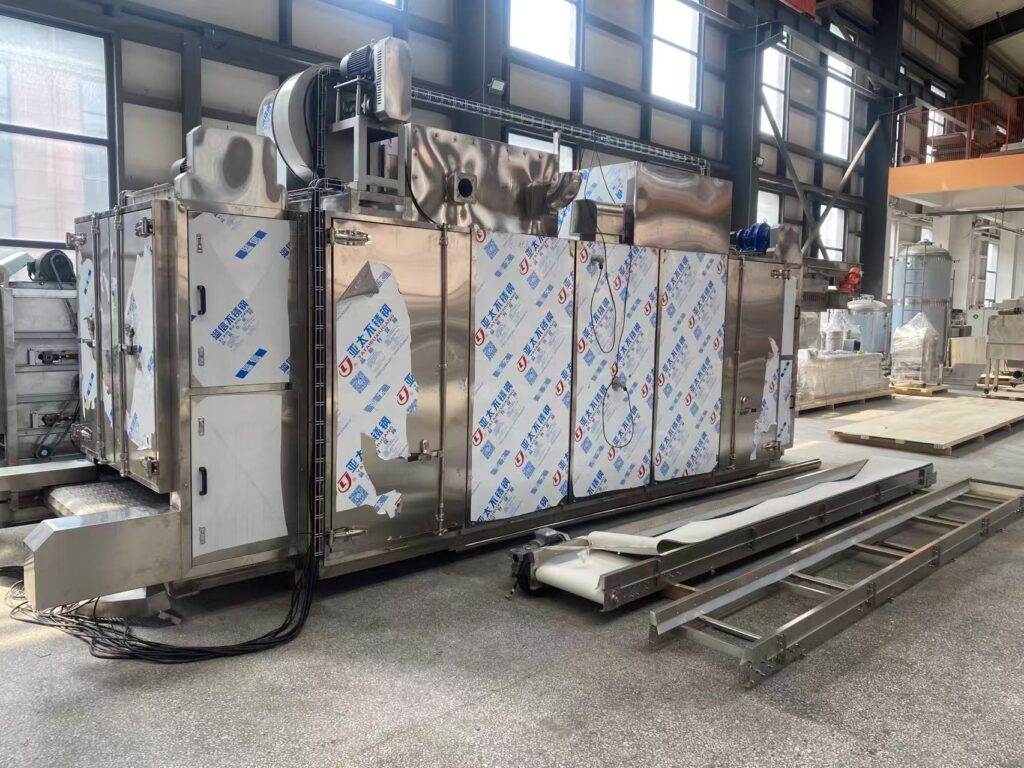
- Firmness and chewiness: Adjust the ratio of rice flour to water during extrusion. Higher moisture and lower shear force produce a softer, more natural bite. Fortified rice machine Post-extrusion steaming can further reduce hardness.
- Stickiness: For glutinous or semi-glutinous rice types, add a small percentage of amylopectin-rich starch (e.g., waxy rice starch) to the blend.
- Cooking behavior: Ensure the fortified grains hydrate at a rate similar to natural rice by controlling gelatinization degree. Pre-cooked fortified kernels should not disintegrate or remain hard after regular cooking.
3. Aroma
- Neutral base: Use deodorized rice flour and avoid off-notes from oxidized vitamins or minerals. Encapsulating micronutrients in lipid or cyclodextrin matrices can mask metallic or vitamin-like smells.
- Rice-like volatiles: Add trace amounts of natural aroma compounds found in cooked rice, such as 2-acetyl-1-pyrroline (for fragrant rice) or 1-octen-3-ol (for earthy notes).
- Storage stability: Package fortified rice in gas-barrier materials with oxygen absorbers to prevent rancidity and loss of volatile aromatics.
Заключение

By precisely engineering shape, color, cooking texture, and volatile profile, fortified rice can achieve sensory equivalence to conventional rice. Pilot-scale trials with consumer sensory panels are essential to fine-tune these parameters for specific regional rice varieties. If you are interested in the Машина для производства обогащенного риса you can contact me , i will give you good advice and solutions .
1.Will you help us with the installation ?
Yes , We will send engineers to install and debug the equipment, and assist in training your staff.
2.Are you a factory or trading company?
We are a factory.
3.What certificate do you have?
We have ISO and CE certificate.
4.How long is the warranty period?
All of our machines have one year warranty.
5.What’s the main market of your company?
Our customers all over the world.
6.How much production capacity of your company one year?
This depends on your needs.
 Russian
  English
  Spanish
  Italian
  Arabic
  Portuguese
  German
  French
  Japanese
  Moroccan Arabic
  Persian
  Belarusian