Dogs have distinct nutritional needs that change dramatically as they age. Feeding a puppy food to a senior dog, or vice versa, can lead to obesity, developmental problems, or malnutrition. This article breaks down the critical formulation differences for each life stage, focusing on energy density, protein levels, calcium-phosphorus balance, and functional additives.
1. Puppy Diets: Growth and Development
Puppies experience rapid skeletal growth, muscle development, and immune system maturation. Their formulas are designed for high energy and precise nutrient ratios.
Key Formulation Differences:
Parameter
Puppy (≤ 12 months)
Adult
Energy density
High (380–450 kcal/cup)
Moderate (320–380 kcal/cup)
Crude protein
28–32% (minimum 22% AAFCO)
18–26%
Crude fat
12–20%
8–15%
Calcium
1.0–1.6% (DM)
0.5–1.0%
Phosphorus
0.8–1.3%
0.4–0.8%
Ca:P ratio
Strictly 1:1 to 1.4:1
1:1 to 1.5:1
Critical considerations:
Calcium control – Excess calcium (above 2.5% DM) causes skeletal abnormalities, especially in large/giant breeds.
DHA (docosahexaenoic acid) – Added for brain and retinal development; typically 0.05–0.1% of formula.
Highly digestible carbohydrates – Rice, barley, or oats to prevent diarrhea from immature digestive enzymes.
Meal frequency – Higher energy density allows smaller stomachs to meet daily needs.
Immune support – Often includes colostrum or beta-glucans to bridge the immunity gap after maternal antibodies wane.
Example formulation: Chicken meal + rice + fish oil + DHA + precise calcium (from limestone or bone meal).
⚠️ Caution: Large-breed puppy formulas have lower calcium (0.7–1.0%) and moderate energy to prevent osteochondrosis. Never feed standard puppy food to a Great Dane or Mastiff puppy.
2. Adult Diets: Maintenance and Longevity
Adult dogs (1–7 years, depending on breed size) require stable nutrition that maintains lean body mass, supports activity, and prevents chronic disease.
Key Formulation Differences:
Parameter
Adult Maintenance
Active/Working Adult
Energy density
Moderate (330–380 kcal/cup)
High (380–450 kcal/cup)
Crude protein
18–26%
25–30%
Crude fat
8–15%
12–20%
Fiber
3–5% (balanced)
2–4% (less bulk)
Calcium/Phosphorus
Maintenance levels (0.5–0.8% Ca)
Slightly higher for bone stress
Critical considerations:
Amino acid maintenance – Methionine and lysine levels ensure coat quality and muscle protein synthesis.
Weight management – Over 50% of adult dogs are overweight; formulas may include L-carnitine and conjugated linoleic acid (CLA) to promote fat oxidation.
Joint health (proactive) – Many adult formulas include glucosamine (400–800 mg/kg) and chondroitin, even before clinical arthritis.
Dental health – Larger kibble size or textured surface to reduce plaque; sodium hexametaphosphate or zinc citrate may be added.
No “growth” levels of minerals – Excess calcium or phosphorus in adulthood can lead to urinary stones or soft tissue calcification.
✔️ Tip: Adult formulas should be complete and balanced for maintenance (AAFCO statement). Avoid over-supplementing with calcium or fat-soluble vitamins.
3. Senior Diets: Healthy Aging and Disease Prevention
Senior dogs (varies by breed; typically >7 years for small breeds, >5 years for large/giant breeds) face declining kidney function, reduced muscle mass (sarcopenia), joint degeneration, and cognitive dysfunction.
Key Formulation Differences:
Parameter
Senior
Adult
Energy density
Lower to moderate (300–350 kcal/cup)
Moderate
Crude protein
22–28% (HIGHER, not lower)
18–26%
Phosphorus
Low (0.3–0.5%)
0.4–0.8%
Sodium
Reduced (0.1–0.2%)
0.2–0.4%
Fiber
Higher (4–7%)
3–5%
Fat
Moderate (8–12%)
8–15%
Critical considerations:
a. Protein: MORE, not less
Old dogma: “Reduce protein for kidney protection” → outdated for healthy seniors.
Current science: Higher quality protein (22–28%) preserves muscle mass and immune function.
Exception: Dogs with diagnosed chronic kidney disease (IRIS stage 2–4) require controlled protein (low but high-quality) and phosphorus restriction.
Moisture content – Senior dogs often have subclinical dehydration; wet food or brothy toppers can help.
f. Dental & oral health
Softer kibble or smaller pieces for dogs with missing teeth or periodontal disease.
Avoid hard treats that may fracture weakened teeth.
Example formulation: Fresh salmon + sweet potato + pea fiber + glucosamine + omega-3 concentrate + L-carnitine + methionine.
⚠️ Warning: Do not automatically switch to a “senior” formula if your dog is healthy and active. Some senior foods are too low in protein or too high in fiber, leading to muscle wasting. Always adjust based on individual body condition, kidney values, and mobility.
Summary Table: Life Stage Formulation at a Glance
Nutrient
Puppy
Adult
Senior
Protein
28–32%
18–26%
22–28%
Fat
12–20%
8–15%
8–12%
Calcium
1.0–1.6% (large breeds lower)
0.5–1.0%
0.5–0.8%
Phosphorus
0.8–1.3%
0.4–0.8%
0.3–0.5%
Fiber
2–4%
3–5%
4–7%
DHA/EPA
High (DHA for brain)
Moderate
High (EPA for joints/kidney)
Glucosamine
Not needed
Optional
Recommended
Antioxidants
Low
Moderate
High
Practical Formulation Tips
Transition gradually – Over 7–10 days when changing life stage diets to avoid digestive upset.
Monitor body condition score (BCS) – Adjust feeding amount, not just formula. A senior dog may need 20–30% fewer calories than an adult.
Use AAFCO statements – Ensure the label says “formulated for growth” (puppy), “maintenance” (adult), or “all life stages” (only if meets strictest requirements).
Consider breed size separately – Large-breed puppies and small-breed seniors have unique needs beyond generic life stage labels.
Заключение
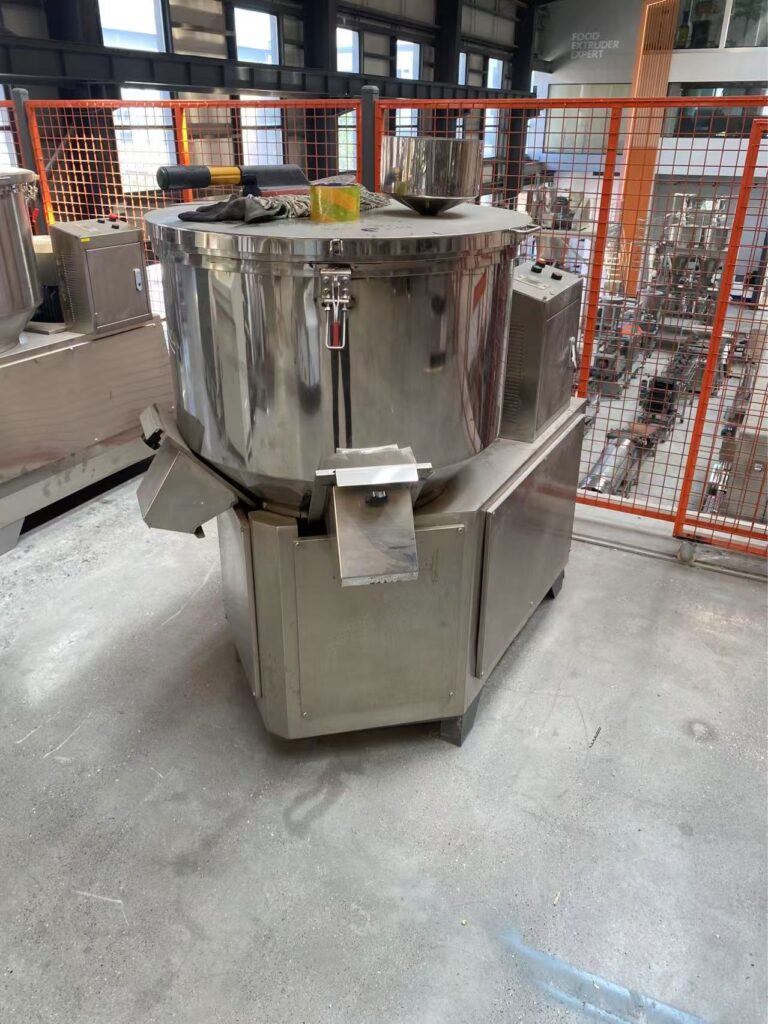
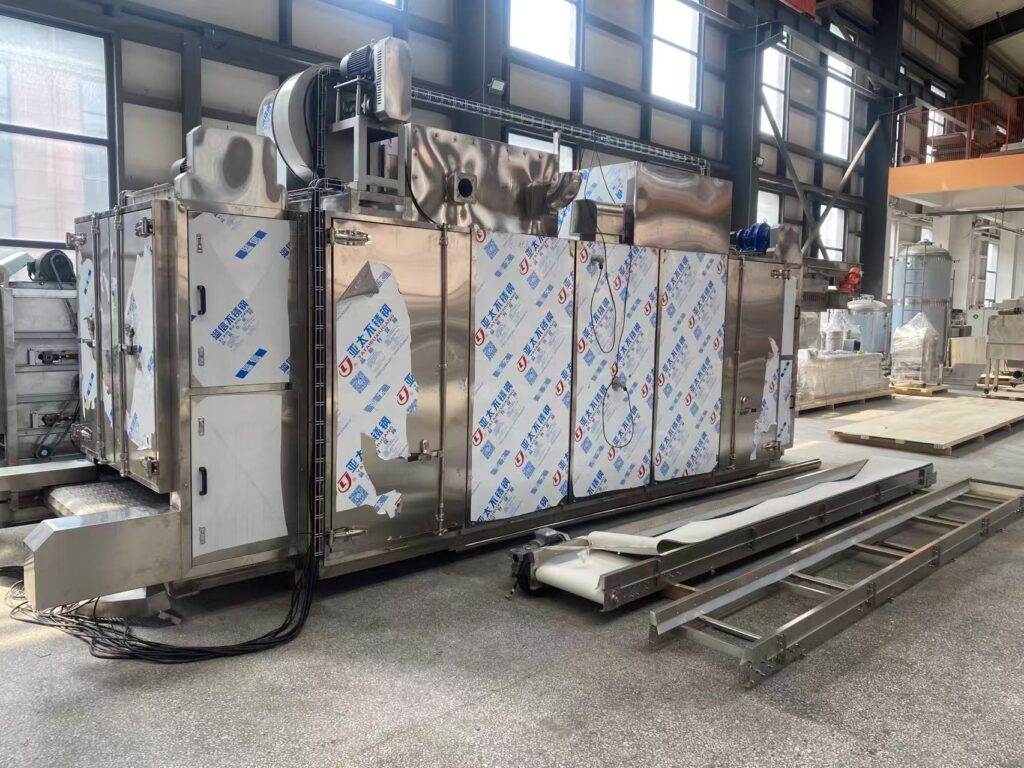
Formulating dog food for different life stages is not about simply adjusting protein percentages. It requires balancing energy density, mineral ratios (especially calcium:phosphorus), and functional ingredients to match the dog’s changing physiology. Puppies need precise calcium and DHA; adults require stable maintenance and joint protection; seniors benefit from higher-quality protein, phosphorus restriction, and cognitive support. A well-formulated life stage diet can significantly extend both the health span and lifespan of a dog. Always work with a veterinary nutritionist when designing commercial or home-cooked diets for specific life stages. If you are interested in the dog food making machine, you can contact me , i will give you good advice and solutions .
1.Will you help us with the installation ?
Yes , We will send engineers to install and debug the equipment, and assist in training your staff.
2.Are you a factory or trading company?
We are a factory.
3.What certificate do you have?
We have ISO and CE certificate.
4.How long is the warranty period?
All of our machines have one year warranty.
5.What’s the main market of your company?
Our customers all over the world.
6.How much production capacity of your company one year?




 Russian
  English
  Spanish
  Italian
  Arabic
  Portuguese
  German
  French
  Japanese
  Moroccan Arabic
  Persian
  Belarusian