
Introduction
Palatability—the combination of flavor, aroma, and texture that makes food appealing—is a critical quality in dog food. Unlike humans, dogs rely primarily on smell (olfaction) and texture (mouthfeel) rather than complex taste profiles. dog food pellet machine Therefore, adjusting ingredient formulation is the most effective way to enhance intake and satisfaction. This article explains how specific ingredients can be used to optimize both flavor and texture in dry, semi-moist, and wet dog foods.
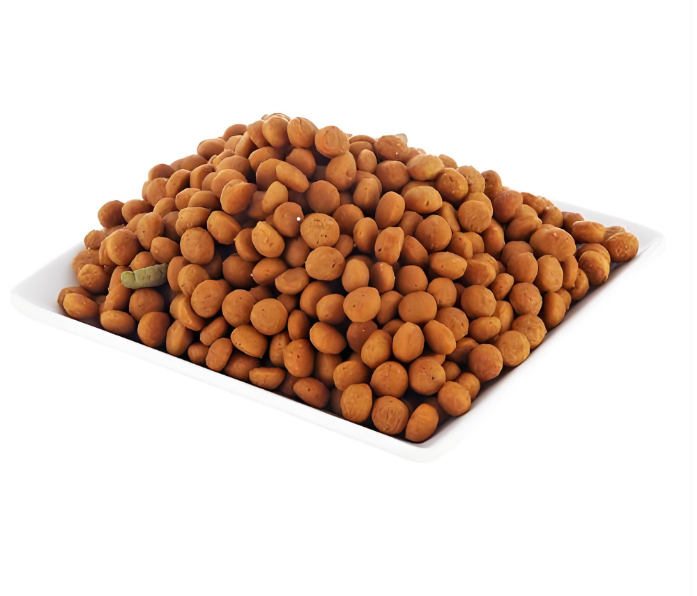
Part 1: Adjusting Flavor (Taste & Aroma)
Dogs have fewer taste buds than humans (≈1,700 vs. 9,000) but possess a highly sensitive sense of smell. Flavor in dog food is largely driven by volatile aromatic compounds and the five basic tastes dogs can perceive: sweet, sour, salty, bitter, and umami.
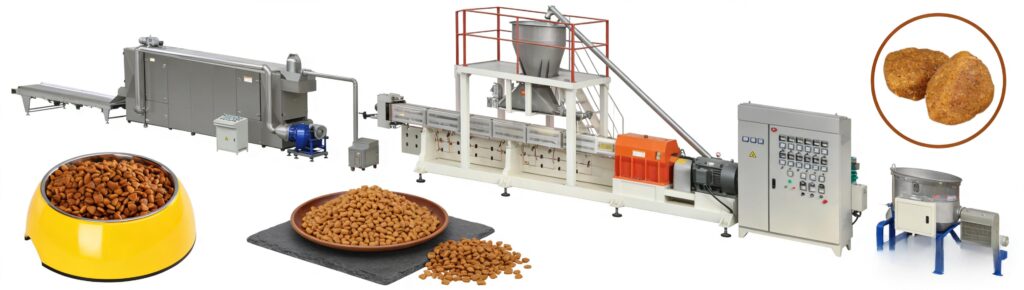
1.1 Using Animal-Based Ingredients for Umami & Aroma
- Fresh or rendered meats (chicken, beef, lamb, fish): These provide natural umami (from glutamates and nucleotides) and rich meaty aromas from lipid oxidation during cooking. dog food pellet machine Higher inclusion levels (e.g., 25–40% fresh meat) significantly boost palatability compared to low-meat formulas.
- Meat meals (e.g., chicken meal, fish meal): Concentrated protein sources that intensify savory notes. However, over-processing can reduce volatile compounds; therefore, spray-dried animal digest or hydrolyzed proteins are often added to restore aroma.
- Hydrolyzed proteins (e.g., hydrolyzed chicken liver): Enzymatically broken into small peptides and free amino acids, these release intense meaty, brothy aromas and are highly attractive to dogs even at low inclusion (2–5%).
1.2 Fats as Flavor Carriers
- Animal fats (chicken fat, beef tallow, salmon oil): Fats are the primary carriers of lipophilic odorants. Coating kibble with 6–10% fat post-extrusion dramatically improves aroma release and palatability.
- Fish oils: Provide strong species-specific odors that most dogs find highly appealing. However, avoid oxidized (rancid) fats, which cause off-flavors and rejection.
1.3 Palatability Enhancers (Toppers & Digests)
- Liquid palatants (digests): These are enzyme-treated animal tissues (e.g., pork or poultry digest) containing high levels of free amino acids, peptides, and nucleotides. Applied as a spray (1–3% by weight), they deliver an immediate, potent meaty aroma.
- Yeast extracts: Rich in natural glutamates and nucleotides, they boost umami and can partially replace animal digest, especially in vegetarian or hypoallergenic formulas.
1.4 Sweetness and Other Taste Notes
- Carbohydrates with natural sugars (e.g., beet pulp, sweet potatoes, carrots): Provide mild sweetness, which dogs can perceive and generally accept. However, excessive sweetness is unnecessary and may reduce meaty flavor perception.
- Salt (sodium chloride): Added at 0.2–0.5% to enhance overall taste intensity, but must remain within safe limits (≤0.3% for dry food, depending on life stage).
Flavor takeaway: To maximize flavor palatability, prioritize fresh meat and animal fat, dog food pellet machine coat with a liquid palatant, and ensure proper antioxidant protection to prevent rancidity.

Part 2: Adjusting Texture (Physical Mouthfeel)
Texture influences how a dog initially bites, crunches, chews, and swallows the food. Dogs generally prefer crisp, crunchy textures in dry kibble and soft, cohesive textures in wet food.
2.1 Dry Kibble Texture
A. Hardness & Crunchiness
- High-protein, high-meat formulas tend to produce softer, more porous kibble due to the plasticizing effect of meat proteins. To increase crunchiness, add more starch-rich ingredients (e.g., rice, corn, potatoes) or use a higher extrusion temperature.
- Low expansion ratio (dense kibble) leads to very hard, difficult-to-crunch textures that some older dogs or small breeds may reject. Moderate expansion (2.5–4.5) yields an optimal snap with low dust.
B. Porosity & Dissolution Rate
- Starch type: Amylopectin-rich starches (e.g., waxy maize, tapioca) produce more porous, faster-hydrating kibbles that break down quickly in saliva. Amylose-rich starches (e.g., long-grain rice) create denser, slower-dissolving textures.
- Fiber addition: Adding 2–5% insoluble fibers (e.g., cellulose, peanut hulls) increases abrasive mouthfeel and may reduce palatability. Adding soluble fibers (e.g., beet pulp, inulin) at 3–6% improves moisture absorption and softens kibble structure slightly, often preferred by dogs.
C. Coatings for Texture Modification
- Fat coating (post-extrusion): Not only carries flavor but also reduces dust, softens surface hardness slightly, and provides a smooth, pleasant mouthfeel.
- Acidulants (e.g., phosphoric acid, citric acid): Sometimes added to coatings to create a “tart” surface note, which some dogs find stimulating.
2.2 Semi-Moist and Wet Food Texture
- Semi-moist foods (≈25–35% moisture): Achieved by adding humectants (propylene glycol, glycerol, sugars) and reducing water activity. dog food pellet machine The texture is soft, chewy, and meat-like. To adjust, increase humectants for greater chewiness or add more water for a softer, pudding-like consistency.
- Wet foods (canned/pouch): Texture ranges from pâté (fine emulsion) to chunks-in-gravy (coarse meat particles). Adding starches (e.g., modified tapioca, guar gum) thickens the gravy and creates a cohesive gel structure. Chunk size and shape can be varied by adjusting meat particle size and forming techniques.
Practical Summary Table: Ingredient-Based Adjustments for Palatability
| Desired Change | Ingredient Adjustment | Effect on Flavor/Texture |
|---|---|---|
| Increase meaty aroma | Add hydrolyzed protein or liquid digest (1–3%) | Stronger umami, higher intake |
| Improve crunchiness | Increase starch (rice/corn) + reduce fat coating | Harder, more brittle kibble |
| Soften kibble | Raise meat content or add soluble fiber (beet pulp) | More porous, faster dissolving |
| Boost aroma intensity | Coat with 8–10% chicken fat or fish oil | Richer smell, smoother mouthfeel |
| Create chewy texture (semi-moist) | Add glycerol (10–15%) + reduce water activity | Soft, pliable, meat-like |
| Enhance gravy appeal (wet) | Add modified starch + guar gum | Thicker, clingy gravy |
Заключение
Formulating for dog food palatability requires a dual focus on flavor (dominated by meaty, savory aromas from proteins, fats, and digests) and texture (from starch, fiber, moisture, and fat coatings). By strategically selecting and combining ingredients—such as increasing meat and fat for flavor, adjusting starch and fiber for kibble crunchiness, or using humectants for semi-moist chew—formulators can significantly improve a dog’s eating experience and long-term food acceptance.
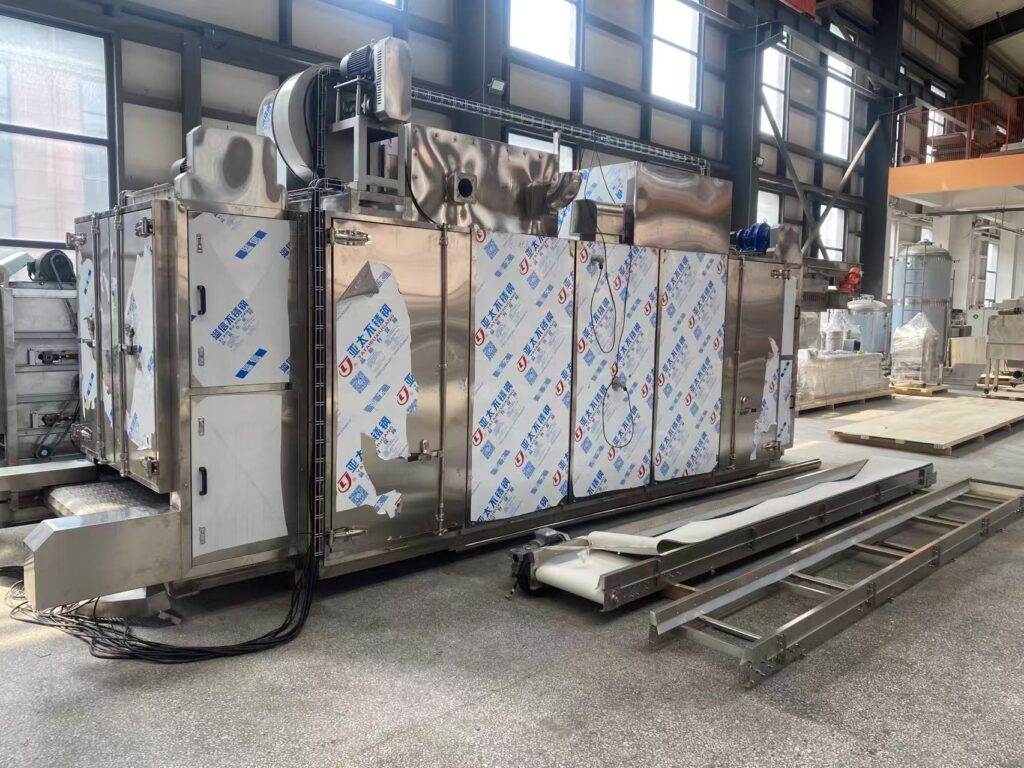
Ultimately, palatability adjustments should be validated through controlled two-panel feeding trials (preference tests), dog food pellet machine as individual dogs may vary, but the ingredient principles described above provide a reliable foundation. If you are interested in the dog food pellet machine you can contact me , i will give you good advice and solutions .

1.Will you help us with the installation ?
Yes , We will send engineers to install and debug the equipment, and assist in training your staff.
2.Are you a factory or trading company?
We are a factory.
3.What certificate do you have?
We have ISO and CE certificate.
4.How long is the warranty period?
All of our machines have one year warranty.
5.What’s the main market of your company?
Our customers all over the world.
6.How much production capacity of your company one year?
This depends on your needs.
 Russian
  English
  Spanish
  Italian
  Arabic
  Portuguese
  German
  French
  Japanese
  Moroccan Arabic
  Persian
  Belarusian