
Proper cleaning of a twin-screw extruder is essential to maintain product quality, prevent cross-contamination, and ensure the longevity of the equipment. Due to the complex screw geometry and tight clearances within the barrel, cleaning must be systematic and thorough. Below is a step-by-step guide for cleaning a twin-screw extruder.

1. Preparation and Safety First
- Shut down and lock out the extruder’s power supply.
- Allow the machine to cool to a safe handling temperature (usually below 60°C / 140°F) to avoid burns.
- Wear appropriate PPE: heat-resistant gloves, safety glasses, and protective clothing.
- Gather cleaning tools: brass scrapers, nylon brushes, copper mesh, compressed air, and approved cleaning agents or purging compounds.
2. Dry Purging (for material residue)
- Run a neutral purging compound (e.g., cornmeal, rice flour, or commercial extruder cleaner) through the extruder at low screw speed.
- This helps push out most of the previous production material.
- Stop the screws and allow the purging material to cool slightly inside the barrel – it will solidify into a soft plug that can be removed more easily later.
3. Screw and Element Removal

- Disassemble the screw shafts by removing the end cap or shaft retaining bolts.
- Carefully slide out the screw elements and kneading blocks from the barrel. Mark their arrangement (order and orientation) for reassembly.
- Place all screw elements on a clean, oil-resistant mat.
4. Cleaning the Screw Elements
- Soak elements in warm water or a mild detergent solution (if non-corrosive material was processed). For sticky or caramelized residues, use a specialized plastic-cleaning solution.
- Scrape using only brass or wood tools – never steel or hardened metal to avoid damaging the surface hardness.
- Brush with nylon bristle brushes to clear grooves and thread roots.
- For hardened residues, use an ultrasonic cleaner containing a mild alkaline solution (follow manufacturer recommendations).
- Rinse thoroughly with water and dry completely with compressed air to prevent rust.
5. Cleaning the Barrel and Liners
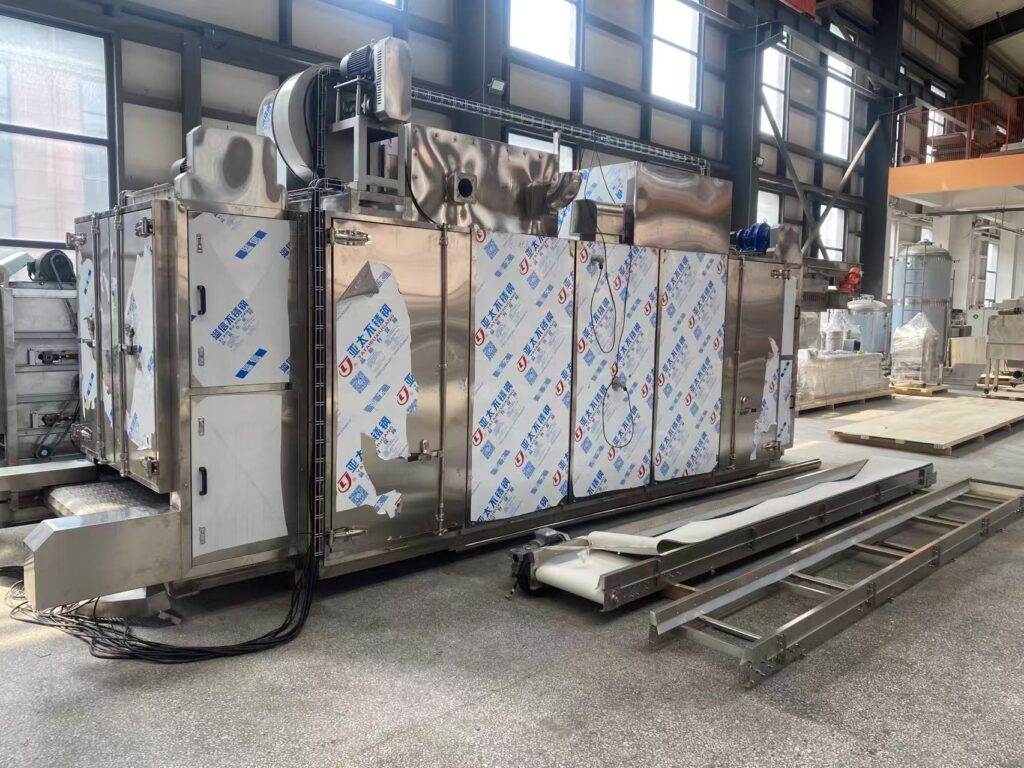
- Wipe the inside of the barrel sections using a barrel brush (nylon or brass) dipped in cleaning solvent.
- For stubborn deposits, wrap a lint-free cloth around a soft wooden dowel and push it through manually.
- Inspect each barrel liner for scratches or wear. Do not use abrasive pads.
- Blow out all vent ports, feed openings, and vacuum holes with compressed air.
6. Cleaning the Die and Adaptor Plate
- Remove the die plate and adaptor plate.
- Soak in an appropriate solvent or burn-off oven (if allowed by design – some dies are sensitive to high heat).
- Clean die holes with a pin vise or soft drill bit matching the hole diameter – never ream aggressively.
- Polish the die face with fine emery cloth (≤400 grit) to ensure a smooth seal.
7. Purging After Reassembly (Cure or Transition cleaning)

- Reinstall screws in the correct order and alignment (align keyways and stagger elements as per the original setup).
- Run a low-cost purging material (e.g., clean HDPE or flushing compound) at low RPM and gradually increase to operating speed.
- Collect extrudate until it appears completely free of prior residue and any cleaning agents.
- For food-grade applications, follow with a food-safe purge or a small amount of next production material.
8. Final Inspection and Documentation
- Check all screws, barrel sections, and die for residual contamination using a flashlight or borescope.
- Record cleaning date, purging material used, and any observations (wear, residue type).
- Reassemble all parts, torque bolts to specified values, and restart production after a short warm-up.
Important Tips

- Never soak screws in caustic solutions (e.g., NaOH) for more than recommended time – it can cause hydrogen embrittlement.
- Avoid steam cleaning – moisture trapped in splines can cause corrosion.
- Clean immediately after a run – cooled, hardened materials are far harder to remove.
- Use only non-metallic scrapers inside the barrel – a single steel scratch can create a “hang-up” spot for future residues.
By following this routine, your twin-screw extruder will maintain high efficiency, reduce material waste, and prevent unexpected contamination in sensitive applications like food, pharmaceuticals, or engineering plastics.
 Portuguese
  English
  Russian
  Spanish
  Italian
  Arabic
  German
  French
  Japanese
  Moroccan Arabic
  Persian
  Belarusian