
Most cat owners trust that the dry kibble they pour daily is a natural, meat-rich meal designed for their obligate carnivore cats. Few understand what really happens inside pet food factories before those neat brown pellets land on store shelves. Over 95% of commercial dry cat food relies on extrusion cooking, an ultra-processed industrial technique built for mass production, long shelf life and low cost—not to preserve the natural nutrition of raw meat.
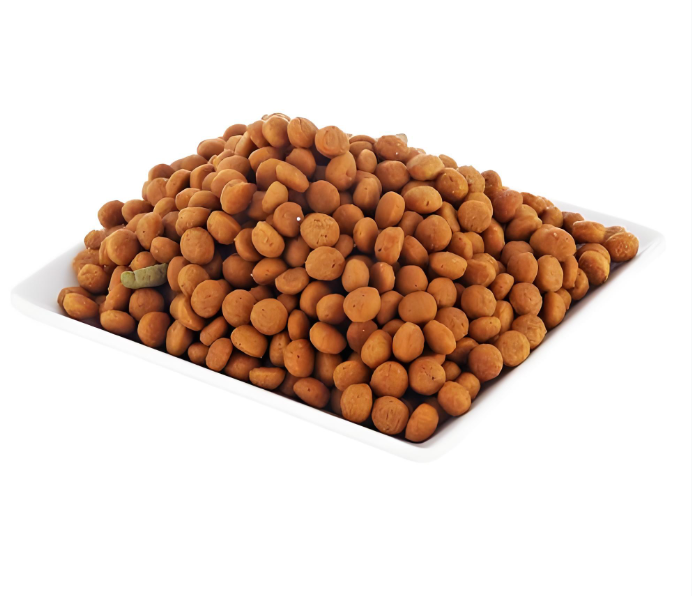
The production starts with raw ingredient receiving and grinding. Many brands rely heavily on meat meal, animal by-products, grains, plant proteins and fillers. All materials are crushed into a fine powder in hammer mills. Grinding hides uneven raw materials and creates a uniform base for mixing. Meat meal, often misunderstood as fresh meat, is rendered animal tissue cooked at 115–145°C for 2–4 hours to remove water and fat, long before it enters the kibble line. The finished meat meal is dried down to 8–10% moisture with protein concentrated to roughly 60–65%.
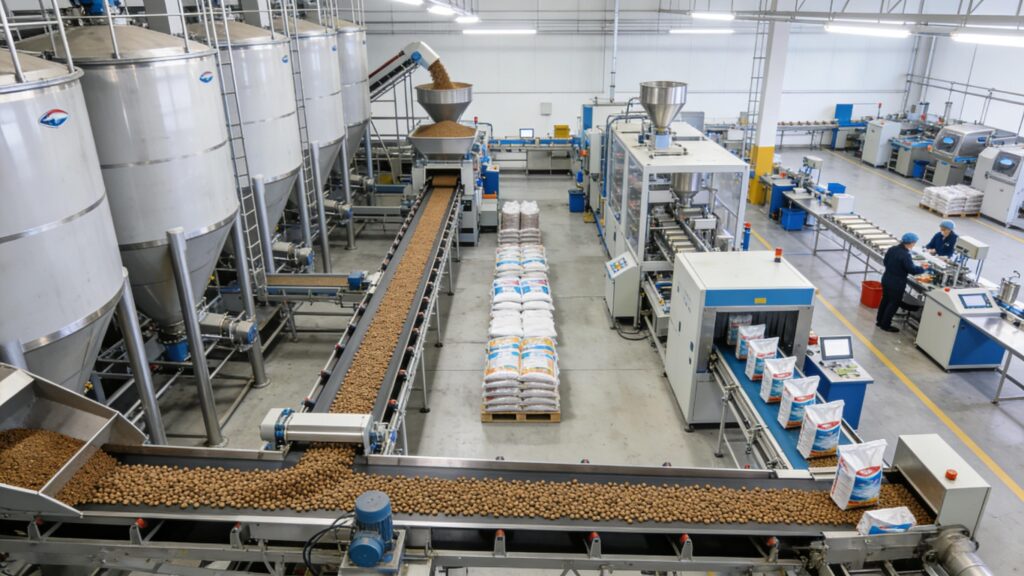
After grinding, all powders are blended together with steam and water to form a thick dough. This mixture is fed into the extruder, the core machine of kibble production. Inside the extruder barrel, rotating screws compress and shear the dough under intense pressure up to 600 psi and temperatures ranging from 120°C to 180°C. The whole cooking phase only lasts 20 to 60 seconds. When the hot paste is forced through shaped metal dies, pressure suddenly drops to normal atmospheric pressure. Trapped moisture flashes into steam, puffing the mixture outward like popcorn. A rotating blade cuts the expanded ribbon into small pellets we call kibble.

This rapid high-heat cooking kills pathogens, yet it damages nutrients. Research shows extrusion and subsequent drying can destroy 20–35% of vitamin A, and thiamine (vitamin B1) losses may reach 40% during processing. Natural enzymes and unsaturated fatty acids also degrade substantially. Animal-based nutrients break down, so manufacturers must add synthetic vitamin and mineral premixes afterward to meet nutritional standards. This is one hidden trade-off of extrusion: natural nutrition is lost in processing, then replaced by artificial additives.
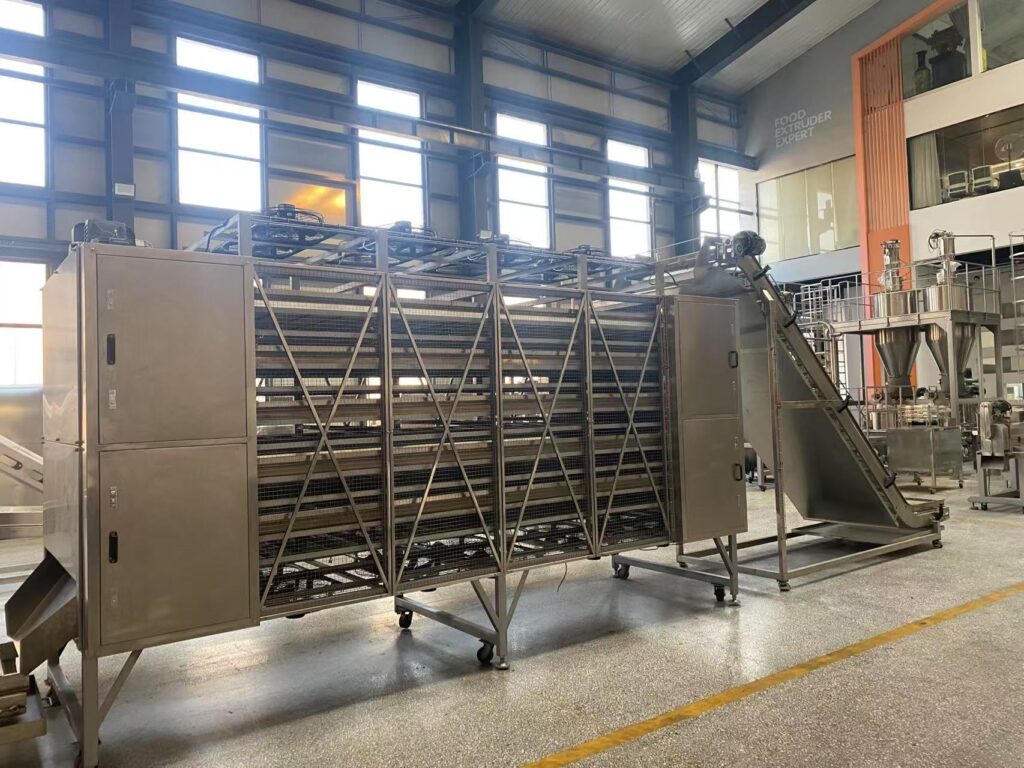
Freshly cut kibble still holds roughly 20% moisture, too wet to store. It moves into large dryers at 120–150°C for 20 to 30 minutes to reduce moisture down to 8–10%. This low moisture level keeps water activity below 0.7, preventing mould and allowing the product to sit on shelves for 12–18 months. Once cooled, the kibble receives a surface coating of fat and palatability enhancers, usually sprayed onto the porous pellet. Without this coating, many cats will reject the kibble, because high-temperature processing strips nearly all natural flavour.
A less widely known fact: extrusion physically requires starch to form and expand the kibble pellet. Pure meat paste cannot hold its shape after extrusion. Even high-meat formulas need at least 12–20% starch from grains, potatoes or legumes to act as a binder; many mainstream budget kibbles contain starch as high as 30–50%. For cats, obligate carnivores whose bodies are adapted to low-carb prey diets with less than 10% carbohydrate, this starch is an unavoidable by-product of the extrusion manufacturing method.
Wet canned cat food follows a different but equally industrial workflow. Meat and by-products are minced, mixed with water, thickeners and additives, sealed inside cans, then sterilized via retorting at 115–130°C for 20–60 minutes. Retorting extends shelf life for up to 2 years, but prolonged heat treatment also breaks down natural nutrients.

The pet food industry markets kibble as natural, balanced feline nutrition. Yet extrusion is a food engineering technique prioritizing production efficiency and shelf stability. Labels can mislead consumers: ingredients may be split into multiple listed items to push meat meal higher up the ingredient list, while grain and plant fillers make up the bulk of the recipe.
This article does not claim all commercial cat food is unsafe. Modern production has strict pathogen control rules. Still, cat owners deserve transparency. The kibble in your bag is not simply dried meat. It is an engineered, ultra-processed product reshaped by grinding, high-pressure cooking, dehydration, artificial fortification and flavour coating. Knowing the full manufacturing process helps every cat parent make more informed choices for their carnivorous companions.
 Portuguese
 English
 Russian
 Spanish
 Italian
 Arabic
 German
 French
 Japanese
 Moroccan Arabic
 Persian
 Belarusian