
The Complete Guide to Investing in a Cat Food Processing Plant

Introduction The global pet food industry is booming, with the cat food segment experiencing particularly robust growth. Driven by humanization trends (treating pets as family), premiumization (demand for high-protein, grain-free, natural recipes), and the expansion of e-commerce, investing in a cat food processing plant can be a highly lucrative venture. cat food machine However, it requires significant capital, regulatory knowledge, and operational expertise. This guide provides a step-by-step roadmap for potential investors, from market analysis to exit strategies. Phase 1: Market Research & Feasibility Analysis Before spending a dollar, validate the opportunity. 1.1 Understand Market Segments 1.2 Analyze Your Target Geography 1.3 Competitive Landscape Key Feasibility Questions: Phase 2: Business […]
Protein Sources in Dog Food: A Comprehensive Guide to Their Pros and Cons

Protein is the cornerstone of a healthy canine diet. It provides essential amino acids that support muscle development, immune function, skin and coat health, and overall vitality. dog food extruder However, not all protein sources are created equal. From traditional meats to novel proteins and plant-based options, each ingredient has its own nutritional profile and implications for your dog’s health. Below is an in-depth look at the most common protein sources found in dog food today. 1. Chicken Chicken is the most widely used protein in commercial dog food due to its availability, palatability, and relatively low cost. Advantages: Disadvantages: 2. Beef Beef is another traditional protein, valued for its […]
The Truth Behind the Kibble: Exposing the Industrial Processing of Cat Food
When you peel open a can of cat food or pour a scoop of kibble into your cat’s bowl, you are looking at the end result of a highly industrial, chemical, and mechanical process. While the packaging often displays happy farms and fresh ingredients, the reality of how cat food is made is a complex journey involving high-pressure machinery, extreme temperatures, and ingredients that would be unrecognizable to most pet owners. This article reveals the mechanical truth behind the two main types of cat food: Dry Kibble (Extruded) and Wet/Canned Food. 1. The Ingredient Sourcing: The “Leftover” Industry Before the processing even begins, the ingredients used in most commercial cat […]
The Complete Guide to Investing in a Small-Scale Cat Food Factory
The global pet food market has surpassed $110 billion, and cat food represents one of the fastest-growing segments within this thriving industry . With pet humanization trends driving demand for premium, nutritious options, small-scale cat food manufacturing presents a compelling opportunity for entrepreneurs. However, success requires careful planning across regulatory compliance, equipment selection, financial planning, and quality control. This comprehensive guide walks you through every aspect of establishing a small-scale cat food factory, from initial market research to full-scale operations. 1. Market Analysis and Niche Selection Understanding the Market Landscape The cat food market is driven by several key trends : Product Categories and Market Positioning Product Type Moisture Content […]
Revealed: The Processing Technology Behind Pet Food

Pet food—whether kibble, canned, or freeze-dried—is a staple in millions of households. But what actually goes into making it? Behind the glossy bags and appealing marketing lies a sophisticated manufacturing process that combines food science, nutritional engineering, and industrial precision. This article pulls back the curtain on how pet food is made, from raw materials to the finished product sitting in your pantry. 1. The Raw Materials: More Than Just “Meat and Grains” Pet food formulations are built on a foundation of ingredients that must meet nutritional requirements set by organizations like AAFCO (Association of American Feed Control Officials). The main categories include: Ingredient Category Examples Purpose Protein sources Chicken […]
How to Manufacture Dog Food in Many Different Shapes (Stars, Bones, Rings, and More)
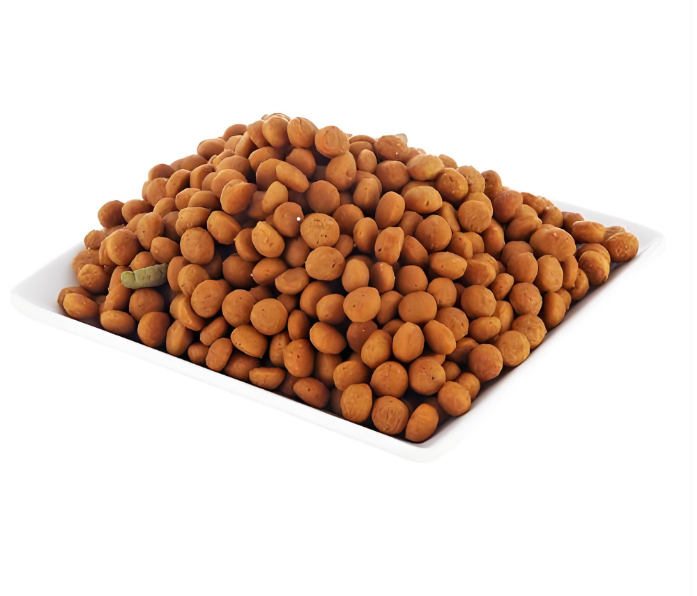
Dog food doesn’t have to look like plain brown pellets. In modern pet-food plants, manufacturers can produce kibbles and treats in a wide range of shapes—bones, hearts, stars, fish, triangles, pillows, rings, letters, and custom logos—while still meeting nutrition and safety targets. The secret is combining the right forming technology with the right recipe and process controls. This article explains the main industrial methods used to make dog food in varied shapes and what it takes to keep those shapes consistent at scale. 1) Start with the shape goal: kibble, semi-moist, or hard biscuit? Different textures support different shaping methods: Choosing the product type first prevents “pretty shapes” from collapsing […]
How to Dry Dog Food: A Practical Guide to Making Safe, Shelf-Stable Kibble or Treats
Drying dog food is mainly about removing moisture to slow microbial growth, reduce spoilage, and create a stable texture. Whether you’re drying homemade dog treats at home or drying cooked pieces in a small-scale production setting, the principles are the same: control time, temperature, airflow, thickness, and final moisture. Below is a clear, step-by-step explanation of how dog food is typically dried and what to watch for. 1) Choose what you are drying (and why it matters) Different products dry differently: Rule of thumb: thinner pieces + lower fat = easier, safer drying. 2) Pre-cook or not? (Safety first) Drying is not always a reliable “kill step” by itself, especially […]
How Dog Food Is Made with an Extruder (Kibble Production Explained)
Most dry dog food (kibble) is produced using extrusion, a high-throughput cooking and shaping process that turns a blended “dough” into uniform, shelf-stable pieces. Below is a practical, step-by-step look at how a typical extruded kibble line works—from raw materials to packaged bags. 1) Ingredient preparation and receiving A kibble formula usually combines: Ingredients arrive in bulk trucks, totes, or bags, then are sampled and tested (common checks include moisture, protein/fat, and contamination screening depending on the plant’s QA program). 2) Grinding (particle size control) Many dry ingredients are run through a hammer mill or grinder to achieve consistent particle size. This matters because: 3) Batching and mixing A batching […]
Behind the Bag: What “Dog Food Processing” Really Looks Like

Walk down any pet-food aisle and you’ll see the same promises repeated in different fonts: premium, natural, human‑grade, gently cooked, ancestral. dog food making machine The packaging shows bright vegetables, glossy cuts of meat, and happy dogs sprinting through fields. What you don’t see is the industrial reality of how most dry and many wet dog foods are manufactured—what gets used, how it’s transformed, and why the final product can look nothing like the ingredients pictured on the front. This article doesn’t accuse any specific brand of wrongdoing. It simply lays out common, legal, widely used processing steps in the pet-food industry—and the questions consumers should be asking. 1) The […]
Pet Food Processing Methods: From Kitchen to Kibble
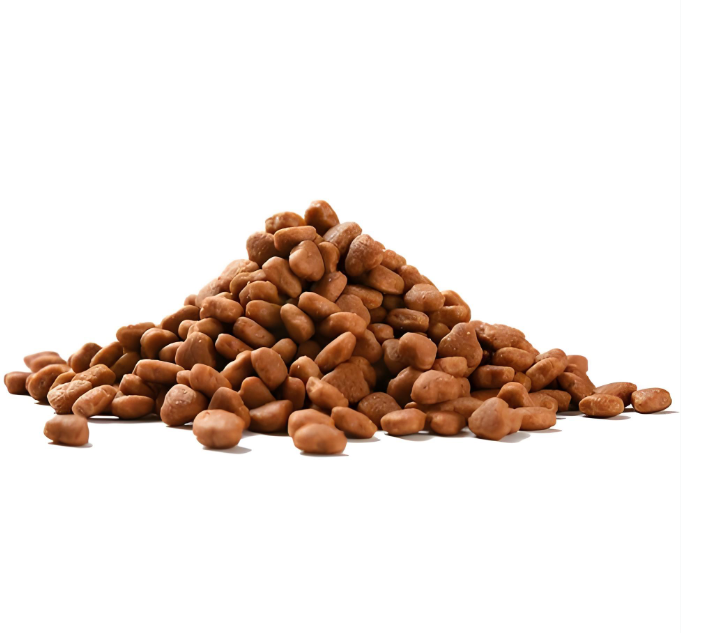
Pet Food Processing Methods: From Kitchen to Kibble The modern pet food industry employs a variety of sophisticated processing techniques to transform raw ingredients into safe, nutritious, and palatable diets for dogs and cats. The chosen method significantly impacts the food’s texture, nutrient availability, shelf life, and convenience. Here is an overview of the primary processing methods used in commercial pet food manufacturing. 1. Dry Food (Kibble) Processing: Extrusion This is the most common method for producing dry pet food. 2. Wet Food Processing: Thermal Processing in Sealed Containers This method produces food with high moisture content (typically 60-85%). 3. Semi-Moist Food Processing These products have a moisture content between […]
Key Considerations in Baked Dog Food Production
Key Considerations in Baked Dog Food Production Baking represents a premium processing method for dry dog food, often perceived as a gentler, more natural alternative to high-heat extrusion. However, achieving consistent quality, safety, and nutritional integrity requires meticulous control throughout the process. Here are the critical factors to monitor in baked dog food manufacturing. 1. Ingredient Selection & Pre-Mixing 2. Dough Formation & Shaping 3. The Baking Process: Time & Temperature Profile This is the most critical control point. 4. Cooling & Stabilization 5. Post-Baking Applications 6. Quality Control & Safety Checks Conclusion Successful baked dog food production hinges on balancing gentle cooking with rigorous process control. The appeal of […]
Market Outlook 2024-2030: The Commercial Dog Food Industry at an Inflection Point
The global commercial dog food market, valued at approximately USD 55-60 billion in 2023, is a resilient and dynamic sector within the broader pet care industry. Driven by deep emotional bonds, humanization trends, and rising disposable incomes, the market is projected to grow at a Compound Annual Growth Rate (CAGR) of 5-7% through 2030. However, this growth is no longer linear. The industry is undergoing a fundamental transformation shaped by consumer demand, technological innovation, and heightened competition. 1. Primary Growth Drivers: Beyond Basic Nutrition 2. Key Market Segments & Evolving Demand 3. Critical Challenges & Industry Headwinds 4. Future Trends Shaping the Next Decade Conclusion: A Market of Diverging Paths […]
 Japanese
  English
  Russian
  Spanish
  Italian
  Arabic
  Portuguese
  German
  French
  Moroccan Arabic
  Persian
  Belarusian