
The Kernel of the Matter: What Corn Is Really Used to Make Corn Flakes?

When you pour a bowl of golden, crispy corn flakes, you are looking at the end product of a highly specific agricultural supply chain. But not just any corn will do. You cannot simply dry an ear of sweet corn from the farmers’ market, crush it, and expect it to turn into a shelf-stable flake. The maize industry relies on a specific type of grain with very particular physical and chemical properties. The short answer is: Yellow Dent corn (specifically a subspecies known as Zea mays indentata). However, it is not quite that simple. While Dent is the workhorse, the industry often utilizes a hybrid of Dent and Flint corn […]
How to Control Baking Temperature for Perfect Corn Chips
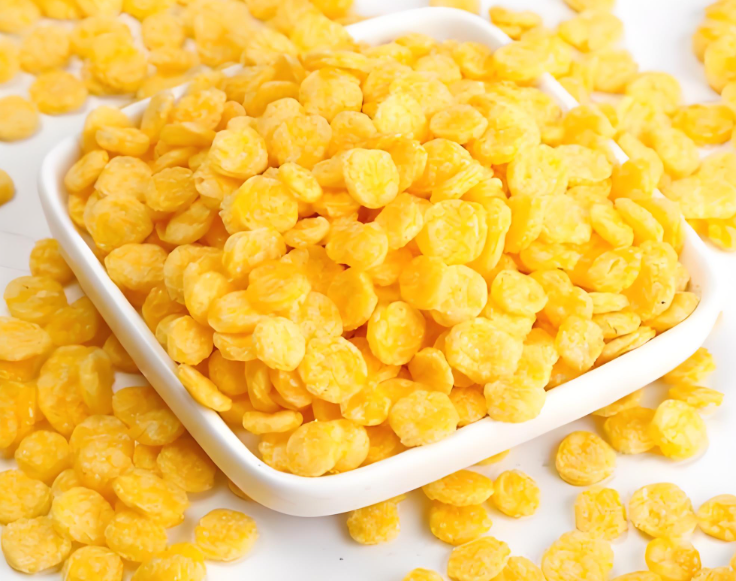
Baking temperature is the most critical variable in producing high-quality corn chips. Too low, and the chips turn out tough and chewy; too high, and they burn on the edges while remaining soft in the center. Proper temperature control ensures uniform crispness, attractive color, and a pleasant toasted corn flavor. This article outlines practical methods to manage and stabilize baking temperatures throughout the process. 1. Preheat the Oven Thoroughly Never place corn chips into a cold oven. Preheating establishes a stable thermal environment from the start. For most corn chip recipes, preheat the oven to the target temperature (typically 160–180°C / 320–355°F) for at least 15–20 minutes. Use an independent […]
The Impact of Baking Temperature on the Texture and Crispness of Corn flakes
Corn flakes are a popular snack worldwide, prized for their satisfying crunch and rich corn flavor. While ingredients play a key role, the baking temperature is one of the most critical factors determining final texture and mouthfeel. This article explores how different baking temperatures affect the crispness, hardness, and overall eating quality of corn chips. Low-Temperature Baking (120–150°C / 250–300°F)At lower temperatures, corn chips bake slowly, allowing moisture to evaporate gradually. This often results in a denser, tougher texture. The chips may become hard rather than crisp, with a tendency to be chewy or brittle. Additionally, low heat limits browning (Maillard reactions) and caramelization, leading to a pale color and […]
Selecting the Right Corn Type for Breakfast Cereal Corn Flakes Production
Introduction The quality of breakfast corn flakes begins not in the cooking kettle or the flaking roll, but in the cornfield. The choice of corn variety significantly influences flake texture, color, flavor, nutritional profile, and processing efficiency. corn flakes making machine While consumers see only golden, crispy flakes, manufacturers must navigate a complex decision between dent corn, flint corn, yellow versus white corn, and even specialty varieties. This article provides a practical guide for selecting corn types optimized for commercial corn flake production. 1. Key Corn Characteristics for Flake Production Before comparing varieties, it is essential to understand which corn properties matter most: 2. Dent Corn (Zea mays indentata) – […]
Title: The Art of the Core: How Cream Filling Is Injected into Rice Puff Snacks

Introduction Cream-filled rice puff snacks—crispy, hollow cylinders or bars with a sweet or savory center—are a popular confectionery worldwide. While the outer shell provides a light, melt-in-the-mouth texture, it is the precisely injected filling that delivers the burst of flavor. core filled snack food machine Achieving a perfectly filled snack with even distribution and no leakage requires a sophisticated combination of extrusion technology, fluid dynamics, and timing. This article explains the step-by-step process of how the filling gets inside the rice puff. Step 1: Producing the Hollow Shell (Pre-Conditioning & Extrusion) Before any filling can be injected, an empty cavity must be created. The outer shell is made using a […]
The Golden Illusion: How Breakfast Cereal is Engineered, Not Baked
Walk down the cereal aisle of any supermarket, and you’re met with a symphony of bright colors, cartoon mascots, and promises of “whole grains” and “essential vitamins.” The box of corn flakes in your cart seems simple enough: toasted flakes of corn, ready to be doused in milk. It feels wholesome, almost rustic. But to understand what you’re actually eating, you have to leave the kitchen behind and step into the industrial mega-facility where this “simple” breakfast is actually constructed. The journey of the corn flake is not one of artisanal baking, but one of high-pressure engineering, chemical processing, and nutritional alchemy. Step 1: The Refining It starts with corn. […]
Critical Considerations in Corn Flake Production: A Guide to Quality and Consistency
Breakfast cereal corn flakes are a seemingly simple product—cooked, flaked, and toasted corn. Yet, their production is a complex industrial process that requires meticulous attention at every stage. From the selection of raw materials to the final packaging, numerous factors can influence the quality, texture, flavor, appearance, and shelf life of the finished product. Understanding and controlling these critical points is essential for manufacturers aiming to produce corn flakes that are consistently crisp, golden, and appealing to consumers. This essay outlines the key issues that demand attention throughout the corn flake production process. 1. Raw Material Selection and Quality The foundation of any high-quality corn flake is the raw material. […]
The Art of Drying Corn Flakes: Techniques for Perfect Breakfast Cereal

Breakfast cereal corn flakes are a beloved staple in households around the world. Their signature light, crispy texture and satisfying crunch are the result of a carefully orchestrated manufacturing process, with drying being arguably the most critical step. While the process may appear straightforward—flaking dried dough and toasting it—the reality is a delicate balance of science and craftsmanship. Proper drying transforms a soft, fragile flake into a shelf-stable, golden-brown cereal with the perfect sensory qualities. Mastering the drying process involves controlling moisture, temperature, airflow, and time with precision. The Journey Before Drying To understand drying techniques, it is essential to appreciate the steps that precede it. Corn flakes begin with […]
Uncovering the composition of the corn flake production line

Corn Flakes Production Line Equipment Corn flakes are one of the most popular breakfast cereals in the world. The production of corn flakes requires a complete processing line consisting of several machines that work together to transform raw corn into crispy flakes. A typical corn flakes production line includes the following main equipment. 1. Raw Material Mixing Machine The first step in corn flakes production is mixing the raw materials. Corn flour or corn grits are mixed with water, sugar, salt, vitamins, and other ingredients in a mixing machine. This process ensures that all ingredients are evenly distributed before further processing. 2. Screw Conveyor After mixing, the material is transported […]
How Breakfast Cereal Corn Flakes Are Dried: A Comprehensive Guide to Industrial Drying Processes

Introduction Drying is one of the most critical unit operations in the production of ready-to-eat breakfast cereals, including the iconic corn flake. Far from being a simple matter of removing water, industrial drying is a precisely controlled process that fundamentally shapes the final product’s texture, flavor, and shelf stability. This article provides a comprehensive examination of how corn flakes are dried during manufacturing, exploring the scientific principles, equipment, and process parameters that transform cooked grain into the crispy cereal consumers expect. As noted in the authoritative reference “Breakfast Cereals and How They Are Made,” most ready-to-eat breakfast cereals require drying as an intermediate or final processing step. This drying involves […]
A Complete Guide to Breakfast Cereal Manufacturing: From Grain to Table
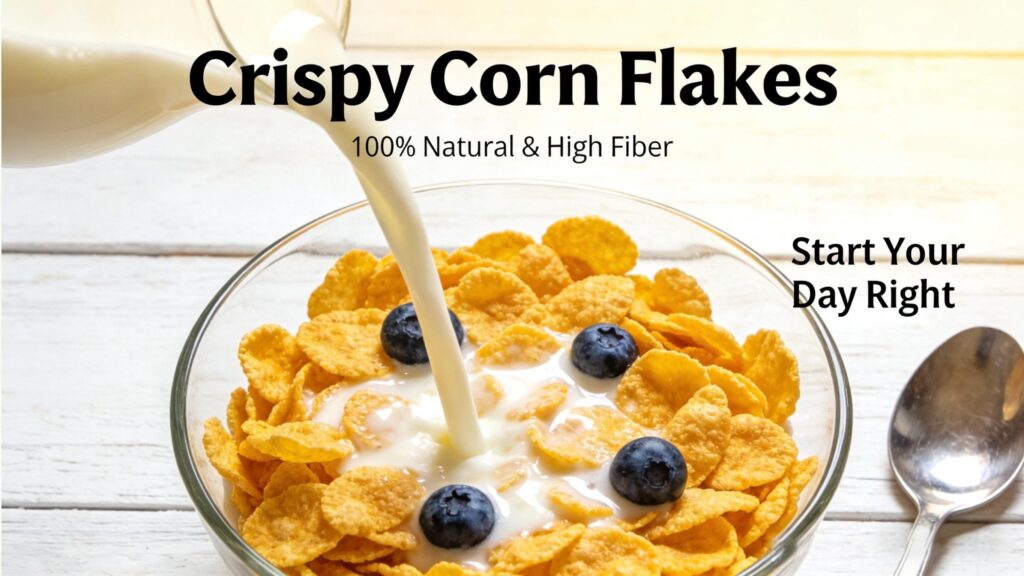
Introduction The breakfast cereal aisle in any supermarket presents a dazzling array of shapes, colors, and textures. Behind this variety lies a complex manufacturing process that transforms simple cereal grains—corn, wheat, rice, and oats—into the crispy, shelf-stable products that are a staple of the modern breakfast table. This article provides a complete, step-by-step guide to the industrial production of processed breakfast cereals, with a particular focus on the iconic corn flake. While traditional cereals like oatmeal require cooking, the focus of this guide is on Ready-to-Eat (RTE) cereals. These products undergo a series of thermal and mechanical processes that gelatinize starches, develop flavor, and create the characteristic crunchy texture that […]
The Golden Flake: An Exposé on the Industrial Processing of Breakfast Cereal Cornflakes
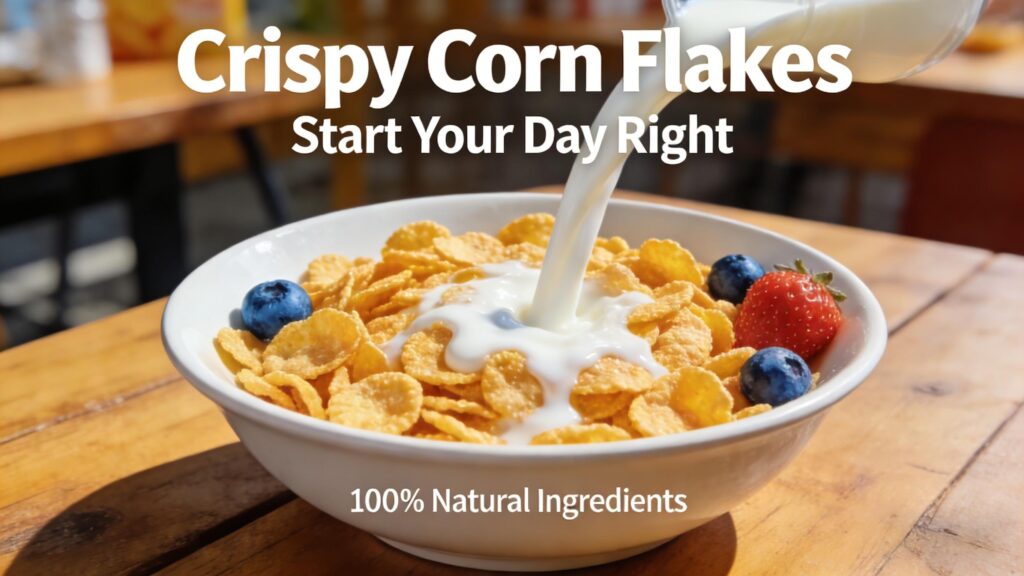
Introduction: The Deceptive Simplicity of Breakfast The breakfast table presents an illusion of simplicity. A bowl of cornflakes, submerged in milk, offers itself as the epitome of modern convenience—a crisp, golden testament to industrial efficiency. Yet beneath this unassuming facade lies one of the most technologically sophisticated and chemically transformative processes in all of food manufacturing. The journey from a kernel of corn to a floating flake represents a radical metamorphosis that strips the grain of its natural integrity, reconstitutes it into a wholly artificial construct, and then laboriously fortifies it with synthetic nutrients to replace those destroyed during processing. This article seeks to peel back the glossy packaging and […]
 Japanese
  English
  Russian
  Spanish
  Italian
  Arabic
  Portuguese
  German
  French
  Moroccan Arabic
  Persian
  Belarusian