
How Corn Flakes Are Rolled (Flaked) in Manufacturing

Corn flakes are made by turning cooked corn grits into thin sheets and then toasting them into crisp flakes. corn flakes making machine The flaking (rolling) step is the key operation that gives corn flakes their familiar shape and crunch. Below is a practical explanation of how corn flakes are pressed into flakes in an industrial line. 1) Preparing the Corn: From Grits to Cooked “Pellets” Before rolling can happen, corn must be cooked and conditioned so it becomes plastic and formable. Typical upstream steps: 2) The Rolling (Flaking) Step: Turning Pellets into Thin Flakes The core machine: the flaking rolls (flake mill) Corn flakes are “pressed” using a pair […]
Processing Methods for Textured Soy Protein (TSP/TVP)

Textured soy protein—also called TSP or TVP (textured vegetable protein)—is a soy-based ingredient engineered to have a chewy, meat-like texture. It is widely used in plant-based foods, soybean extruder ready meals, snacks, and as an extender in meat products. Industrial production relies mainly on protein extraction + extrusion texturization, followed by drying and sizing. Below is a clear overview of the most common processing route and key process options. 1) Raw Materials and Preparation Common inputs Basic preparation steps Many factories purchase defatted flakes or soy flour and begin from milling/blending. 2) Protein Concentration (Optional but Common) TVP can be made from different protein bases: This step affects protein content, […]
What Equipment Do You Need to Invest in a Fish Feed Production Line?

Investing in a fish feed (aquafeed) production line requires more than just one machine. A complete line is a system that handles raw materials, grinding, mixing, forming (pelleting or extrusion), drying/cooling, coating, sizing, packaging, and dust control. The exact equipment depends on whether you produce sinking pellets or floating/slow-sinking extruded feed, your target capacity, and how automated you want the plant to be. Below is a practical, equipment-focused overview. 1) Raw Material Receiving & Storage Purpose: receive, store, and dose ingredients safely and consistently. Typical equipment: 2) Cleaning & Pre-Processing Purpose: protect downstream machines and improve product quality. Typical equipment: 3) Grinding (Size Reduction) Purpose: achieve the particle size required […]
How Instant Rice Is Processed: From Grain to Quick-Cooking Meal

Instant rice (also called quick-cooking rice or ready-to-cook rice) is designed to rehydrate fast and reach an edible texture in minutes. Unlike ordinary rice, which must absorb water slowly during cooking, instant rice is pre-cooked and then dried so that hot water can quickly penetrate the grain. Below is a clear, step-by-step look at how it is typically made at industrial scale. 1) Raw Rice Selection and Cleaning Manufacturers begin with standard rice varieties (often long-grain, medium-grain, or parboiled rice, depending on the desired texture). The rice is: Consistency matters because uniform grains cook and dry more evenly. 2) Hydration (Soaking) to Prepare for Pre-Cooking Many processes include a controlled […]
Fortified Rice vs. Instant Rice: What’s the Difference?
Rice is a staple food for billions of people, but not all rice products are the same. Two categories that often get confused are fortified rice and instant (ready-to-cook) rice. While both are designed to meet modern needs—better nutrition or greater convenience—they differ in purpose, processing, nutrition, taste, cost, and best use cases. 1) Core Purpose Fortified rice Fortified rice is primarily designed to improve nutritional intake. It is rice that has been enhanced with added vitamins and minerals—commonly iron, folic acid, vitamin B12, vitamin A, zinc, or other micronutrients—especially in populations where deficiencies are common. Instant rice Instant rice is mainly designed for speed and convenience. It is rice […]
Key Considerations in Extruder Cleaning Processes

Cleaning extruders is a critical maintenance operation that ensures product quality, prevents cross-contamination, maintains efficiency, and extends equipment life. Improper cleaning can lead to material degradation, microbial growth, mechanical wear, or even safety incidents. Below are the essential considerations for a safe and effective extruder cleaning process. 1. Pre-Cleaning Preparation 2. Cleaning Methods: Selection & Suitability Choose the method based on residue type, frequency, and extruder design: Method Best For Key Risks Dry Purging Quick changeovers between compatible materials Incomplete removal, high shear heat Wet Cleaning (Food-Grade Solvents) Sticky, fatty, or heat-sensitive residues Solvent compatibility, ventilation, residue disposal Disassembly Cleaning Thorough cleaning, allergen changeovers, maintenance Extended downtime, reassembly errors Steam/High-Pressure […]
Processing Technology of Composite Potato Chips: A Technical Overview

IntroductionComposite potato chips, also known as formed or reconstituted potato chips, are produced from dehydrated potato flakes or granules combined with other starches, grains, and functional ingredients. Unlike traditional sliced potato chips, this method enables precise control over shape, texture, nutritional profile, and flavor. It is widely used for producing uniform, lightweight, and consistently crisp snacks in various shapes (e.g., waves, tubes, or 3D designs). Below is a detailed breakdown of the standard industrial processing flow. 1. Raw Material Selection and Preparation 2. Dough Formation 3. Sheeting and Shaping 4. Drying (Pre-Frying Moisture Reduction) 5. Frying 6. Seasoning Application 7. Cooling and Inspection 8. Packaging 9. Quality Assurance 10. Advantages […]
Applications of Modified Starch: A Versatile Functional Ingredient

Modified starch, produced through controlled physical, chemical, or enzymatic treatment of native starch, exhibits enhanced functional properties such as improved stability, texture, clarity, and tolerance to extreme processing conditions. Its versatility makes it indispensable across multiple industries, including food, pharmaceuticals, paper, textiles, and biotechnology. 1. Food Industry Applications Modified starch serves as a multifunctional food ingredient, enhancing texture, stability, and shelf life. 2. Pharmaceutical and Nutraceutical Applications Modified starch serves as an excipient and functional carrier in drug and supplement formulations. 3. Paper and Packaging Industry Modified starch improves paper quality and functionality. 4. Textile Industry 5. Biotechnology and Green Materials 6. Personal Care and Cosmetics 7. Agricultural and Animal […]
Processing of Frying Blanks (Semi-Finished Products): A Technical Overview

IntroductionFrying blanks, also known as semi-finished or pre-fried products, are intermediate food items designed for final preparation by end-users through frying, baking, or reheating. These products—such as frozen french fries, chicken nuggets, vegetable fritters, or dough-based snacks—undergo precise preprocessing to ensure consistency, safety, and quality after final cooking. This article details the standard industrial processing of frying blanks. 1. Raw Material Preparation 2. Blanching & Pre-cooking 3. Coating & Battering (If Applicable) 4. Par-Frying (Partial Frying) 5. Freezing & Packaging 6. Quality & Safety Assurance 7. Key Processing Advantages Conclusion The production of frying blanks is a carefully controlled sequence of preprocessing steps designed to deliver uniform, safe, and high-quality […]
Processing Technology of Modified Starch: An In-Depth Technical Overview
IntroductionModified starch represents a critical functional ingredient in modern food processing, obtained through controlled physical, chemical, or enzymatic treatment of native starch to enhance its stability, texture, clarity, or tolerance to extreme processing conditions. Its manufacturing process is a precise, multi-step operation that tailors starch properties to specific industrial applications. 1. Raw Material Selection & Pretreatment The process begins with the selection of starch sources—commonly corn, potato, tapioca, or wheat. High-purity starch slurry (typically 35–45% solids) is extracted through wet milling, followed by refining to remove proteins, lipids, and soluble sugars. The slurry is adjusted to a defined pH and temperature to ensure optimal reactivity in subsequent modification steps. 2. […]
Moisture Control in Fortified Rice Production: A Comprehensive Guide
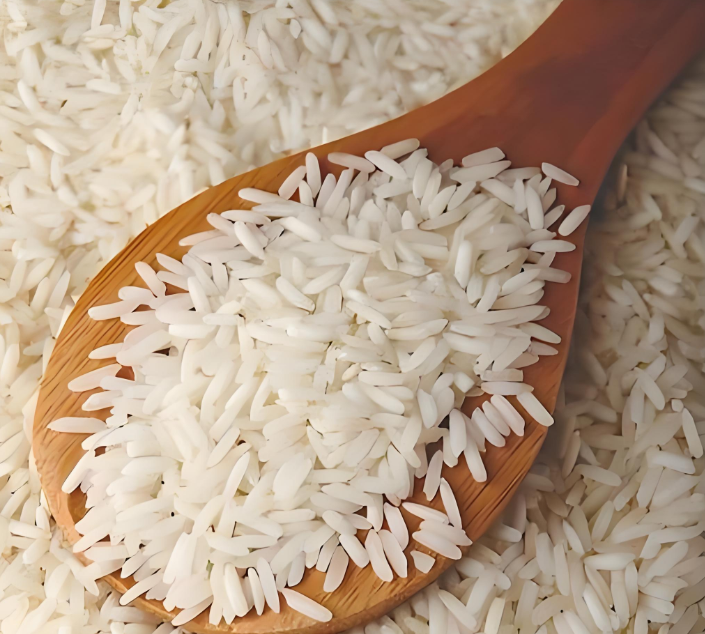
Introduction: The Critical Role of Moisture Management Moisture control is arguably the most critical parameter in fortified rice production, affecting everything from nutritional stability and texture to shelf life and safety. fortified rice making machine Improper moisture management can lead to vitamin degradation, microbial growth, texture defects, and product rejection. This guide provides a systematic approach to moisture control throughout the fortified rice manufacturing process. 1. Understanding Moisture Parameters in Fortified Rice Key Moisture Targets Moisture Measurement Methods 2. Raw Material Selection & Pre-Processing Rice Quality Specifications Fortificant Premix Considerations 3. Coating Process Moisture Management Coating Solution Preparation Application Techniques & Control Real-Time Monitoring 4. Drying Technology Optimization Dryer Selection […]
How to Extend Dog Food Shelf Life: A Comprehensive Guide

Introduction: The Shelf Life Challenge Dog food preservation represents a critical intersection of nutrition, food science, and packaging technology. Proper shelf life extension maintains nutritional integrity, prevents waste, and ensures pet safety. Most commercial dry dog foods have a shelf life of 12-18 months when unopened, while wet foods typically last 2-5 years. However, multiple factors can significantly shorten these timelines without proper management. 1. Ingredient Selection & Formulation Strategies Raw Material Quality Control Formulation for Stability 2. Processing & Manufacturing Optimization Thermal Processing Excellence Post-Processing Treatments 3. Packaging Innovations Barrier Material Selection Advanced Packaging Technologies 4. Storage & Handling Protocols Warehouse Management Retail & Consumer Storage 5. Quality Monitoring […]
 Japanese
  English
  Russian
  Spanish
  Italian
  Arabic
  Portuguese
  German
  French
  Moroccan Arabic
  Persian
  Belarusian