
The Wonderful World of Corn Chips: More Than Just a Snack
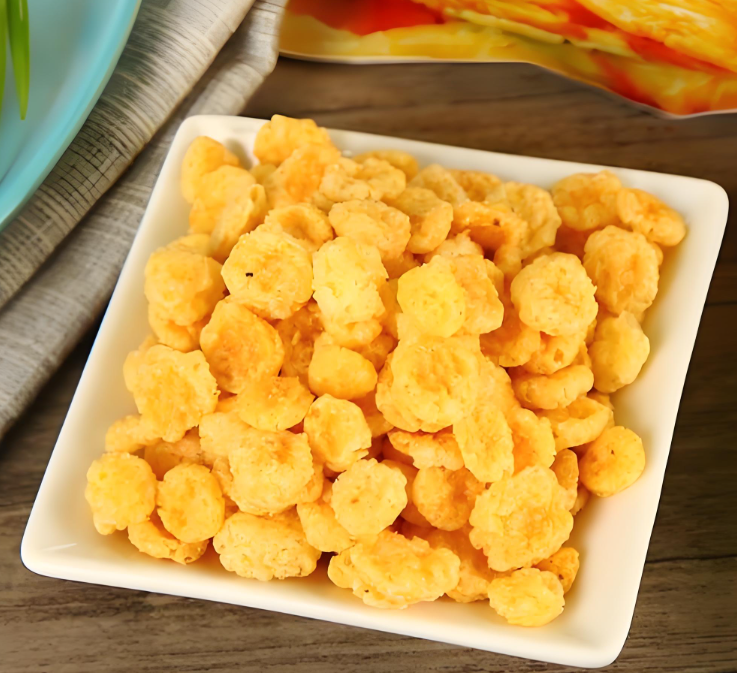
The humble corn chip. Found in pantries, lunchboxes, and restaurant menus across the globe, this crunchy, golden triangle is a staple of modern snacking. Corn flakes making machine Made from fried or baked corn tortillas, its primary purpose is simple and profound: to act as a delicious and versatile vehicle for flavor and texture. While its core use is undeniable, the role of the corn chip extends far beyond simply being eaten out of a bag. Let’s explore the primary uses of this beloved food. 1. The Ultimate Dip Delivery System Without a doubt, the most celebrated use of a corn chip is as a scooper. Its sturdy, yet slightly […]
Mastering Corn Flake Drying: Essential Techniques for Optimal Quality

Introduction: The Critical Role of Drying in Corn Flake Production Drying stands as one of the most crucial yet often underappreciated steps in corn flake manufacturing. While much attention is given to cooking, flaking, and toasting, the drying stage fundamentally determines whether the final product achieves the perfect balance of crispness, shelf stability, and sensory appeal. Improper drying can lead to textural defects, reduced nutritional value, and shortened shelf life, ultimately affecting consumer acceptance and commercial success . This comprehensive article explores the essential techniques and scientific principles behind effective corn flake drying. Corn flakes making machine Drawing from patent literature, academic research, and industrial equipment specifications, we will examine […]
Mastering the Shape of Fortified Rice: A Comprehensive Guide to Production Excellence
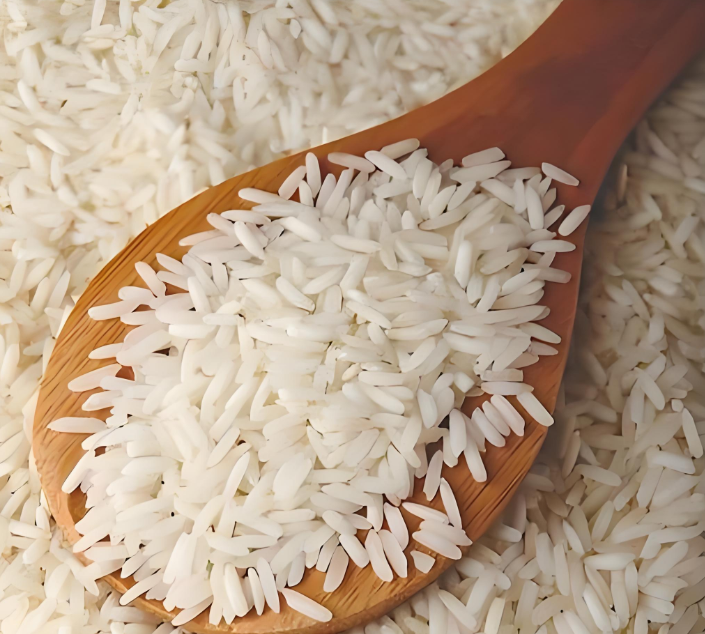
Introduction: The Importance of Shape in Fortified Rice Fortified rice represents one of the most significant advancements in public health nutrition, offering a vehicle to deliver essential vitamins and minerals to populations worldwide. Fortified rice making machine According to the World Food Programme and national food fortification programs, rice fortification can address micronutrient deficiencies in regions where rice is a dietary staple. However, the success of fortified rice depends critically on one factor that often receives insufficient attention: shape . The shape of fortified rice kernels—also known as extruded rice, artificial rice, reconfigured rice, or engineered rice—determines consumer acceptance, cooking performance, and ultimately, the nutritional impact of fortification programs. Fortified […]
The Science of Nutritionally Enriched Rice: A Comprehensive Guide to Processing Technologies

Introduction Rice is the primary source of sustenance for over 3.5 billion people worldwide, yet polished white rice—the form most commonly consumed—is predominantly starch, stripped of the vitamins, minerals, and bioactive compounds concentrated in the bran and germ . This nutritional inadequacy has driven the development of a sophisticated array of processing technologies designed to transform ordinary rice into nutritionally enriched rice, capable of addressing widespread micronutrient deficiencies and chronic disease burdens. Today, the term “nutritional rice” encompasses multiple distinct product categories: fortified rice with added vitamins and minerals, germinated brown rice with enhanced bioactive compounds, high-resistant starch rice for glycemic control, and colored rice varieties with preserved anthocyanins . […]
The Versatile World of Modified Starch: A Comprehensive Review of Its Applications

Introduction Starch is the second most abundant renewable biomass on Earth, serving as a primary energy reserve in plants and a fundamental raw material for human civilization . modified starh making machine However, native starches in their unmodified form suffer from inherent limitations—poor thermal stability, high retrogradation tendency, low freeze-thaw stability, insolubility in cold water, and susceptibility to mechanical shearing . These drawbacks severely restrict their direct utilization in modern industrial processes. Modified starch refers to starch that has been physically, chemically, or enzymatically altered to enhance its functional properties, such as paste clarity, gel strength, film-forming ability, modified starh making machineviscosity stability, and freeze-thaw resistance . Today, over 2,000 […]
Understanding the Water Cooling System of Extruders
In the food and feed processing industry, extruders play a vital role in producing a wide range of puffed snacks, breakfast cereals, pet foods, and aquafeeds. double screw extruder During high-temperature and high-pressure extrusion, a significant amount of heat is generated. To maintain consistent product quality and protect equipment, an efficient water cooling system is indispensable. Why Cooling is Necessary Although extrusion relies heavily on heat to cook and expand raw materials, excessive temperatures can cause several problems: The water cooling system acts as a thermal regulator, keeping the barrel temperature within a precise range for optimal extrusion performance. Main Components A typical water cooling system in an extruder consists […]
How to Enhance the Texture and Mouthfeel of Rice
Rice is simple, but truly great rice is never an accident. fortified rice making machine The difference between rice that feels flat and rice that tastes satisfying often comes down to texture—how each grain feels on the tongue, how it holds moisture, and how it pairs with sauces and side dishes. By adjusting a few variables—grain choice, rinsing, soaking, water ratio, heat control, and finishing—you can consistently produce rice with fuller body, better bite, and a more appealing mouthfeel. 1) Start with the Right Rice for the Texture You Want Texture begins with variety. Long-grain rice (like jasmine or basmati) tends to cook up light and separate, with a clean […]
Fortified Rice vs. Natural Rice: A Nutritional Comparison
Rice is a global dietary cornerstone. While natural (or conventional) rice has fed civilizations for millennia, fortified rice is a modern innovation designed to address public health challenges. fortified rice machinery Understanding their key differences is crucial for making informed dietary and policy choices. 1. Core Definition & Purpose 2. Nutritional Content (The Most Critical Difference) 3. Physical Appearance & Sensory Properties 4. Production Process 5. Cost & Accessibility 6. Target Audience & Primary Benefit Comparison Table at a Glance Feature Natural Rice Fortified Rice Primary Role Energy staple Energy staple + Public health intervention Key Nutrients Carbohydrates, some protein Carbs/protein + Added Iron, Folic Acid, B12, etc. Appearance/Taste Standard […]
How Fortified Rice is Produced

Rice is a staple food for over half of the world’s population, but it often lacks essential micronutrients like iron, folic acid, and vitamin B12. To combat widespread deficiencies, fortified rice making machine especially in regions heavily dependent on rice, the process of rice fortification has been developed. Here is a step-by-step explanation of how fortified rice is typically produced. 1. Nutrient Selection and PreparationThe process begins with selecting vital nutrients that are commonly deficient in target populations. These usually include: These nutrients are ground into a fine powder and blended to create a uniform “premix.” 2. Creating the “Fortificant” or Nutrient KernelsThis is the core technological step. The nutrient […]
Controlling Moisture in Breakfast Cereal Corn Flakes: A Critical Processing Guide

Moisture content is the single most critical factor determining the texture, shelf life, flavor, and structural integrity of breakfast cereal corn flakes. breakfast cereal making machine Precise control at every processing stage is essential to produce a consistently crisp, stable, and high-quality product. Here is a detailed guide on how moisture is controlled throughout the corn flake manufacturing process, particularly in extrusion-based production. 1. Target Specifications & Why Moisture Matters 2. Stage-by-Stage Control Points & Methods A. Ingredient Preparation & Mixing (Pre-Conditioning) B. Extrusion Cooking C. Drying (The Most Critical Moisture Reduction Stage) D. Flaking & Toasting E. Cooling & Post-Process Handling F. Packaging 3. Quality Assurance & Monitoring Controlling […]
How to Produce Breakfast Cereal Corn Flakes Using an Extruder
Breakfast cereal corn flakes are a popular and convenient morning meal, corn flakes machine known for their crisp texture and mild corn flavor. Modern industrial production relies heavily on extrusion technology, which offers high efficiency, consistency, and control. Here is a step-by-step overview of how corn flakes are produced using an extruder. 1. Ingredient Preparation and MixingThe primary ingredient is corn grits or corn meal, which provides the characteristic flavor and texture. Additional components are added to the dry mix: The dry and wet ingredients are thoroughly blended in a pre-conditioner or mixer. This step hydrates the meal and begins starch gelatinization, corn flakes machine ensuring a uniform feed into […]
Several Methods for Drying Corn Flakes

Drying is a critical step in corn flake production. After cooking and rolling, “green flakes” still contain too much moisture to be crisp or shelf-stable. cereal extrusion Drying (often followed by toasting) removes water in a controlled way so the flakes develop the right crunch, color, and bowl life without cracking or burning. Below are several common drying methods used in industry, along with when each method works best. 1) Hot-Air Belt (Conveyor) Dryer How it works: Flakes travel on a moving perforated belt while heated air passes through or across the product bed. Advantages Limitations Best for: medium-to-high capacity plants that prioritize consistent quality. 2) Multi-Zone Toasting Oven (Dry […]
 Japanese
  English
  Russian
  Spanish
  Italian
  Arabic
  Portuguese
  German
  French
  Moroccan Arabic
  Persian
  Belarusian