
Floating Fish Feed Production: Extrusion Technology and Density Control
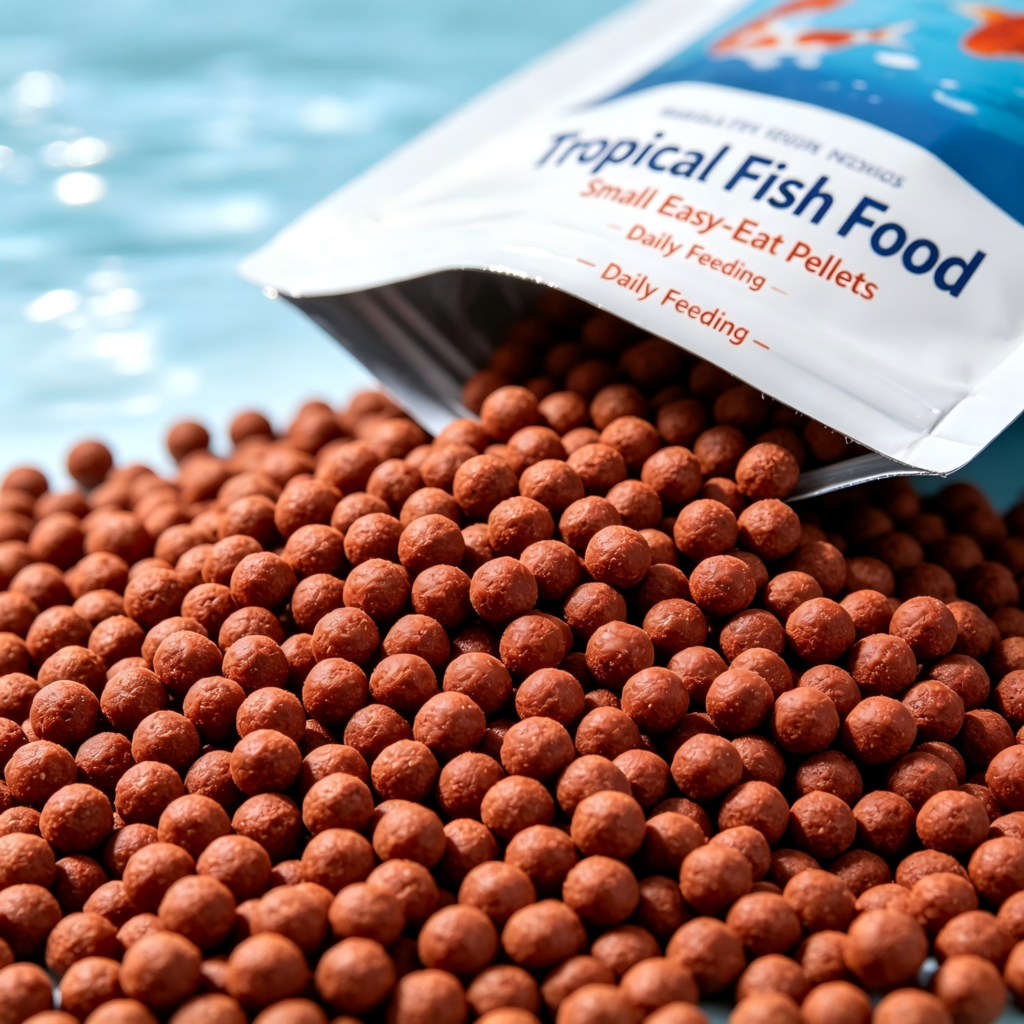
AbstractFloating fish feed is produced primarily through extrusion cooking, a process that gelatinizes starch, denatures protein, and expands the feed melt into a low-density, porous pellet capable of remaining at the water surface. The buoyancy of the finished pellet is not an inherent property of the formula but a result of controlled expansion during extrusion, governed by moisture content, barrel temperature, die design, and pressure release. This article describes the complete production workflow for floating fish feed, from raw material formulation and grinding through preconditioning, extrusion, drying, oil coating, and packaging, with emphasis on the parameters that determine floatability and pellet physical quality. 1. Introduction Aquaculture relies heavily on formulated […]
Japanese Panko Bread Crumb Processing: A Conventional Baking-Based Manufacturing Approach

AbstractJapanese panko bread crumbs differ fundamentally from extrusion-puffed bread crumbs in both processing route and product morphology. Panko is produced from bread baked without a crust, typically via electrical baking, followed by controlled crushing into elongated, needle-like flakes. The resulting product exhibits a distinctly airy, flaky texture and low bulk density, making it highly prized as a coating for fried foods such as tonkatsu. This article describes the conventional manufacturing workflow for Japanese panko, from dough preparation through electrical baking, cooling, crushing, drying, and packaging, with attention to the process parameters that govern product quality. 1. Introduction Panko is a variety of flaky bread crumb used in Japanese cuisine as […]
Puffed Bread Crumb Processing: A Continuous Extrusion-Based Manufacturing Approach

AbstractPuffed bread crumbs represent a modern alternative to traditional baked bread crumbs, bread crumbs making machine offering advantages in oil absorption, texture, and production efficiency. This article outlines the processing technology for puffed bread crumbs using co-rotating twin-screw extrusion. The process eliminates conventional kneading, fermentation, and baking stages, proceeding directly from raw material mixing through extrusion, cutting, crushing, drying, and sieving. Key parameters—including moisture content, extrusion temperature, and drying conditions—are discussed to provide a technical reference for industrial production. 1. Introduction Bread crumbs are widely used as a coating material for fried foods, contributing crispness, texture, and appearance. Traditionally, bread crumbs are produced from baked bread that is subsequently dried […]
 Japanese
 English
 Russian
 Spanish
 Italian
 Arabic
 Portuguese
 German
 French
 Moroccan Arabic
 Persian
 Belarusian