
How to Produce High-Quality Fish Feed: A Technical Guide
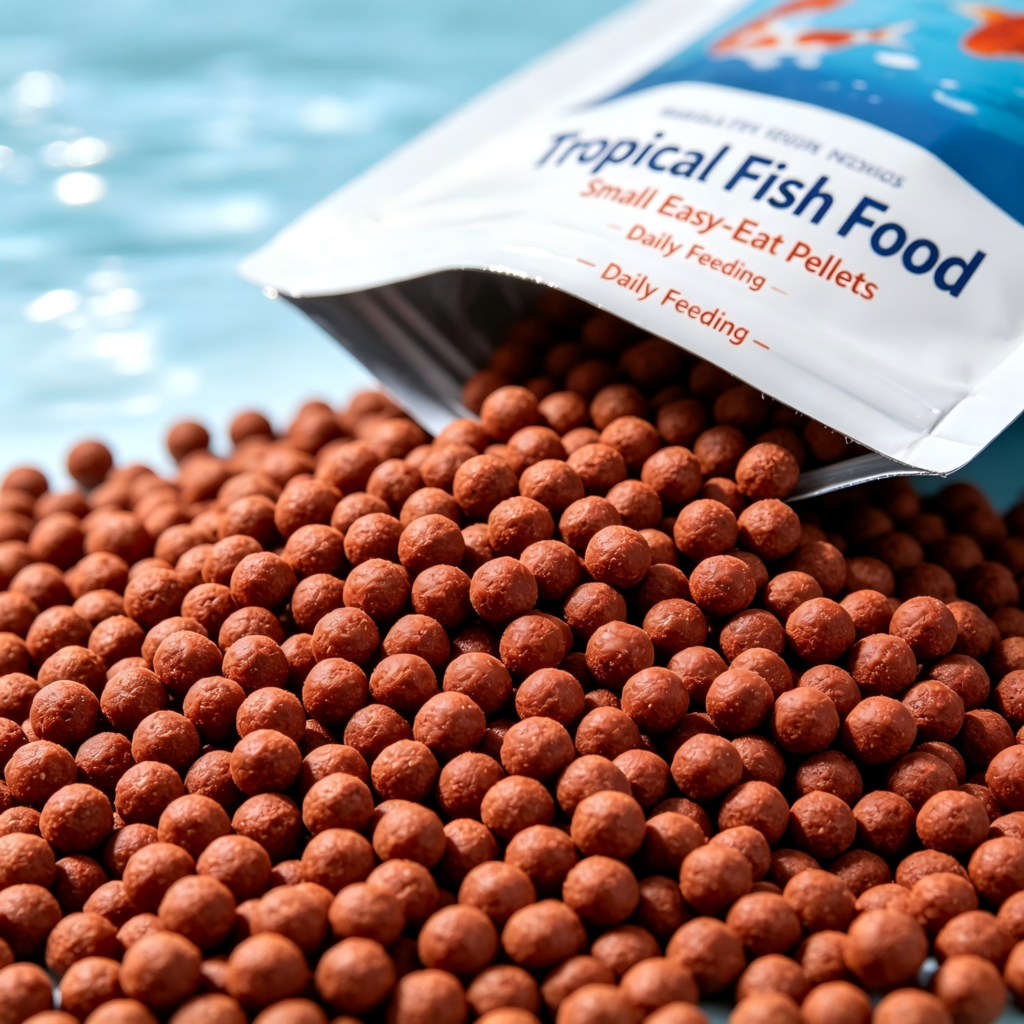
High-quality fish feed is the foundation of profitable and sustainable aquaculture. Unlike terrestrial livestock feed, aquafeed must perform in a physically demanding environment: it must hold together in water, deliver complete nutrition, and match the feeding behavior of the target species. This guide outlines the key stages of producing fish feed that meets these demanding standards. Formulation: Nutrition Meets Function The starting point for any quality feed is a formulation that balances nutritional requirements with processing realities. A well-designed formula accounts for the species’ protein needs, essential amino acid profile, lipid requirements, and energy density. Typical formulations vary significantly by species. A plant-based omnivore diet might contain 30% crude protein, […]
Preparations for Launching a Pet Feed Production Business

Entering the pet feed industry requires more than purchasing an extruder and mixing raw materials. It demands systematic market research, nutritional formulation, regulatory approval, factory planning, equipment procurement, supply chain building, quality control system construction and team training. Missing any key preparation link may lead to unqualified products, production shutdowns or food safety risks. This article outlines all core preparations before you start manufacturing extruded kibble for cats and dogs. 1. Market Research and Feasibility Study First, define your product positioning: budget mass-market kibble, mid-range balanced daily food, high-protein premium formulas, grain-free products or veterinary functional pet food. Conduct market surveys to understand target customer demands, competitor ingredient formulas, pricing […]
How to Clean a Twin‑Screw Extruder for Cat Food Production
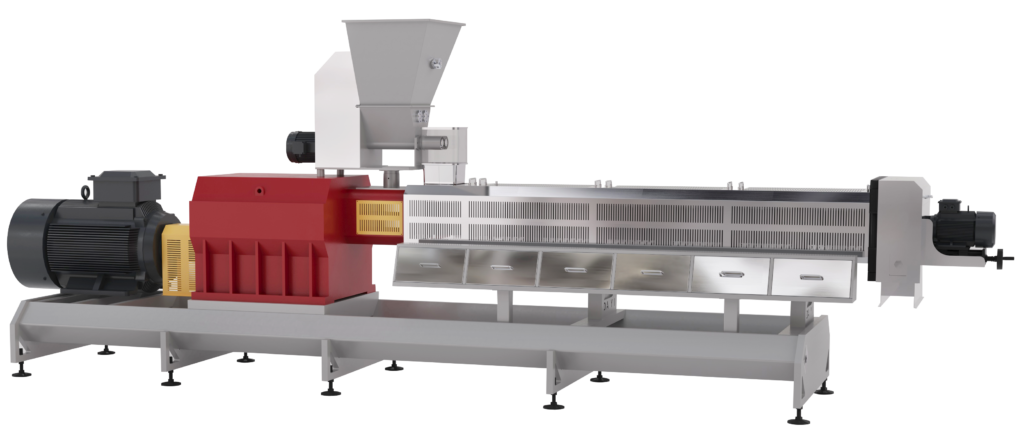
Twin‑screw extruders are the core equipment for manufacturing dry kibble cat food. During continuous production, residual meat meal, starch, fat and protein will stick to screw flights, barrel inner walls and die holes. Burnt deposits can build up after hours of high‑temperature extrusion (120–180°C), risking cross-contamination between batches, mould growth, off‑flavours and reduced equipment service life. A standardized cleaning routine, including routine purging and full disassembly deep cleaning, is essential for pet food hygiene and stable production. Pre‑Cleaning Safety Rules Before any cleaning work, implement lockout-tagout (LOTO): cut off power, steam and water supplies to prevent accidental startup. Wear heat-resistant gloves, safety goggles and dust masks. Do not use compressed […]
Behind the Kibble Bag: Exposing the Industrial Processing of Commercial Cat Food
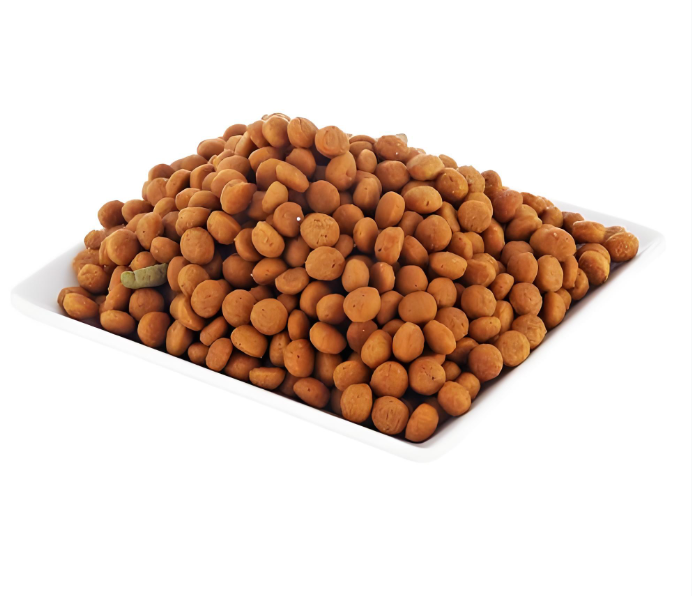
Most cat owners trust that the dry kibble they pour daily is a natural, meat-rich meal designed for their obligate carnivore cats. Few understand what really happens inside pet food factories before those neat brown pellets land on store shelves. Over 95% of commercial dry cat food relies on extrusion cooking, an ultra-processed industrial technique built for mass production, long shelf life and low cost—not to preserve the natural nutrition of raw meat. The production starts with raw ingredient receiving and grinding. Many brands rely heavily on meat meal, animal by-products, grains, plant proteins and fillers. All materials are crushed into a fine powder in hammer mills. Grinding hides uneven […]
 Japanese
 English
 Russian
 Spanish
 Italian
 Arabic
 Portuguese
 German
 French
 Moroccan Arabic
 Persian
 Belarusian