
The Ultimate Guide to Processing Puffed Breadcrumbs (Panko)

Introduction: What Are Puffed Breadcrumbs? Unlike traditional dry breadcrumbs (which are dense and granular), puffed breadcrumbs are characterized by their light, airy, flaky, needle-like structure. They absorb less oil, stay crispy longer, and provide a superior “crunch” to fried foods like tonkatsu, shrimp, and chicken tenders. This guide covers the industrial and small-batch processing methods, from raw materials to the final packaged product. Phase 1: Raw Material Selection The quality of puffed breadcrumbs starts with the formula. Key Ingredients (Baker’s Percentage) Ingredient Percentage Function High-gluten flour (Bread flour) 70% Structure & elasticity Low-gluten flour (Cake flour) 30% Tenderness & crispness Yeast (Instant dry) 1.5% Leavening (creates air pockets) Salt 1% […]
The Manufacturing Process of Floating Fish Feed

Floating fish feed is a specialized type of aquafeed designed to remain on the water surface for extended periods, allowing farmers to monitor fish consumption and reduce waste. fish feed extruder machine The production process involves several precise steps to ensure nutritional value, buoyancy, and durability. 1. Raw Material Selection and GrindingThe process begins with selecting high-quality ingredients such as soybean meal, corn gluten, fishmeal, wheat flour, oils, vitamins, and minerals. These materials are first passed through a grinder or hammer mill to achieve a fine, uniform powder. Fine grinding is critical for proper gelatinization later and ensures the pellets remain stable in water. 2. MixingThe ground ingredients are transferred […]
Preventing Contamination in Dog Food Production: A Critical Guide to Safety

Producing safe, high-quality dog food is not just about nutrition—it is fundamentally about contamination control. Unlike human food, pet food is often manufactured in high-volume facilities using raw animal proteins, grains, and vegetables. Without rigorous safeguards, deadly pathogens like Salmonella and Listeria, physical hazards (metal, plastic), and chemical residues (pesticides, mycotoxins, cleaning agents) can enter the supply chain and sicken pets—and even the humans handling the food. This guide outlines the key contamination risks and the industrial best practices required to prevent them at every stage of production, from raw material intake to final packaging. The Three Types of Contamination in Dog Food A robust contamination prevention program addresses all […]
The Ultimate Guide to Making Nutritious Homemade Dog Food

As a pet parent, you want the very best for your furry friend. While commercial dog foods are convenient and formulated to meet basic nutritional standards, dog food extruder many owners are turning to homemade diets for greater control over ingredients, quality, and freshness. Making nutritious dog food at home allows you to cater to allergies, picky eaters, and specific health needs. However, it’s crucial to understand that canine nutrition is a science. A balanced diet is far more than just meat and rice. This guide will walk you through the core principles, safe ingredients, and a simple recipe to get you started—but always consult your veterinarian or a canine […]
The Complete Production Guide for Filled Rice Snacks (Co-Extruded Puffed Snacks)
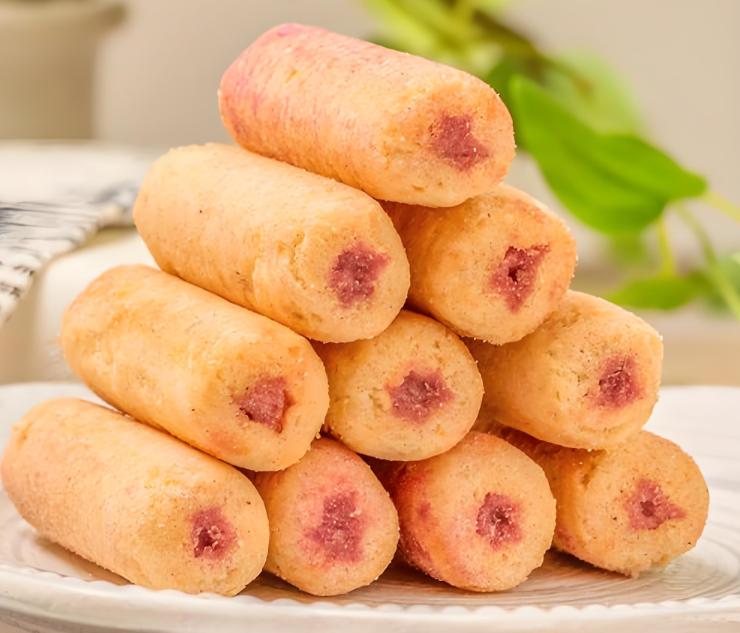
Filled rice snacks—known by various names such as sandwich rice crackers, cream-filled puffs, or co-extruded snacks—represent a sophisticated category of extruded products. They combine a light, crispy, expanded cereal shell with a flavorful, creamy center (chocolate, peanut butter, cheese, fruit, or sweet cream). This guide provides a comprehensive overview of the entire production process, from raw material selection to finished packaging, based on current industry practices and technical literature. 1. Introduction: What Are Filled Rice Snacks? Filled rice snacks are produced using co-extrusion technology, where two distinct materials are combined simultaneously through a single die: The defining sensory characteristic is the textural contrast—the crispy, airy shell that shatters upon biting, […]
The Complete Processing Workflow of Breakfast Cereals

From the golden rings of Corn Flakes to the crunchy clusters of granola and the puffed shapes of Cocoa Puffs, breakfast cereals are a staple in millions of homes. cereal extrusion Behind every bowl lies a sophisticated sequence of industrial processes that transform raw grains into shelf-stable, flavorful, and texturally perfect products. This guide walks you through the entire production workflow—from grain receiving to the final box—covering the most common cereal types: flaked, puffed, and extruded/shaped cereals. 1. Raw Material Receiving & Cleaning Every cereal begins with grain—typically corn, wheat, rice, oats, or barley. Steps: Output: Clean, uniform grains ready for milling or conditioning. 2. Milling & Size Reduction (for […]
The Ultimate Guide to Purchasing a Small-Scale Fish Feed Production Line

Starting a small-scale fish feed manufacturing business or upgrading your hatchery’s in-house production is a significant investment. fish feed extruder machine Whether you intend to produce floating pellets for tilapia, sinking crumbles for catfish, or micro-pellets for ornamental tropical fish, choosing the right production line requires careful planning. This guide walks you through every critical factor—from capacity planning and extrusion technology to material handling and post-sale support. 1. Define Your Production Needs First Before contacting any supplier, answer these five questions: Question Why It Matters What species will you feed? Shrimp need micro-pellets (0.3–1.5 mm); trout need high-fat sinking pellets (3–6 mm). What is your daily target (kg/hr)? Small-scale lines […]
The Advantages of Extruded Fish Feed
Extruded fish feed has become increasingly popular in modern aquaculture and home aquarium keeping due to its numerous benefits over traditional pelleted or powdered feeds. fish feed extruder The extrusion process involves cooking raw ingredients under high temperature and pressure, then forcing them through a die, which causes the feed to expand. This method offers the following key advantages: 1. Improved Digestibility and Nutrient AvailabilityThe high heat and pressure during extrusion break down starches and proteins, making them more accessible to fish digestive enzymes. fish feed extruder This results in better feed conversion ratios (FCR), meaning fish absorb more nutrients from each gram of feed, grow faster, and produce less […]
 Japanese
  English
  Russian
  Spanish
  Italian
  Arabic
  Portuguese
  German
  French
  Moroccan Arabic
  Persian
  Belarusian