
Controlling Temperature and Moisture to Manage Dog Food Quality

Controlling Temperature and Moisture to Manage Dog Food Quality Dog food quality is determined by a delicate balance of nutritional integrity, safety, shelf life, and palatability. Among all processing variables, temperature and moisture are the most critical. Improper control leads to microbial growth, nutrient destruction, textural defects, and reduced acceptance by dogs. This article explains how to monitor and adjust these two parameters throughout production to ensure consistent, high-quality dog food. 1. The Role of Moisture in Dog Food Quality Moisture content directly affects microbial stability, texture, and energy density. Low-moisture kibble (6–10% moisture) : Most dry dog foods fall into this range. At these levels, water activity (aw) is […]
How to Control Baking Temperature for Perfect Corn Chips
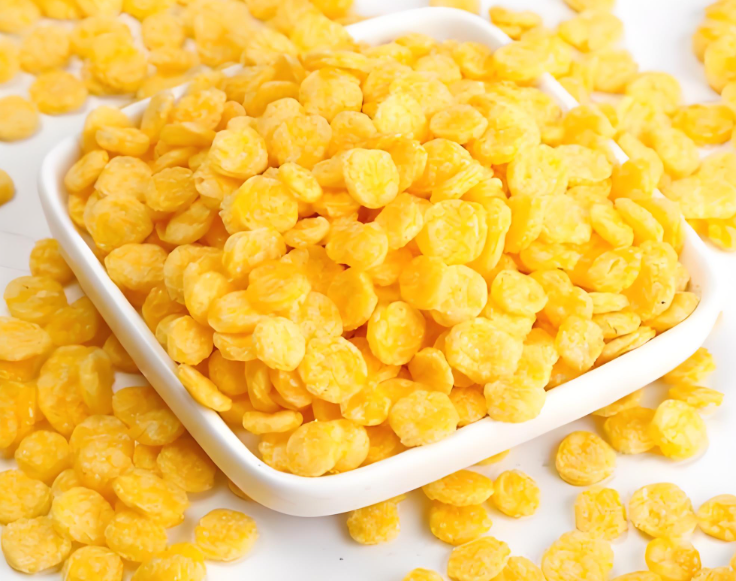
Baking temperature is the most critical variable in producing high-quality corn chips. Too low, and the chips turn out tough and chewy; too high, and they burn on the edges while remaining soft in the center. Proper temperature control ensures uniform crispness, attractive color, and a pleasant toasted corn flavor. This article outlines practical methods to manage and stabilize baking temperatures throughout the process. 1. Preheat the Oven Thoroughly Never place corn chips into a cold oven. Preheating establishes a stable thermal environment from the start. For most corn chip recipes, preheat the oven to the target temperature (typically 160–180°C / 320–355°F) for at least 15–20 minutes. Use an independent […]
The Impact of Baking Temperature on the Texture and Crispness of Corn flakes
Corn flakes are a popular snack worldwide, prized for their satisfying crunch and rich corn flavor. While ingredients play a key role, the baking temperature is one of the most critical factors determining final texture and mouthfeel. This article explores how different baking temperatures affect the crispness, hardness, and overall eating quality of corn chips. Low-Temperature Baking (120–150°C / 250–300°F)At lower temperatures, corn chips bake slowly, allowing moisture to evaporate gradually. This often results in a denser, tougher texture. The chips may become hard rather than crisp, with a tendency to be chewy or brittle. Additionally, low heat limits browning (Maillard reactions) and caramelization, leading to a pale color and […]
Selecting the Right Corn Type for Breakfast Cereal Corn Flakes Production
Introduction The quality of breakfast corn flakes begins not in the cooking kettle or the flaking roll, but in the cornfield. The choice of corn variety significantly influences flake texture, color, flavor, nutritional profile, and processing efficiency. corn flakes making machine While consumers see only golden, crispy flakes, manufacturers must navigate a complex decision between dent corn, flint corn, yellow versus white corn, and even specialty varieties. This article provides a practical guide for selecting corn types optimized for commercial corn flake production. 1. Key Corn Characteristics for Flake Production Before comparing varieties, it is essential to understand which corn properties matter most: 2. Dent Corn (Zea mays indentata) – […]
Strategies to Prevent Interactions between Nutrients and Anti-Nutritional Factors during the Production of Fortified Rice
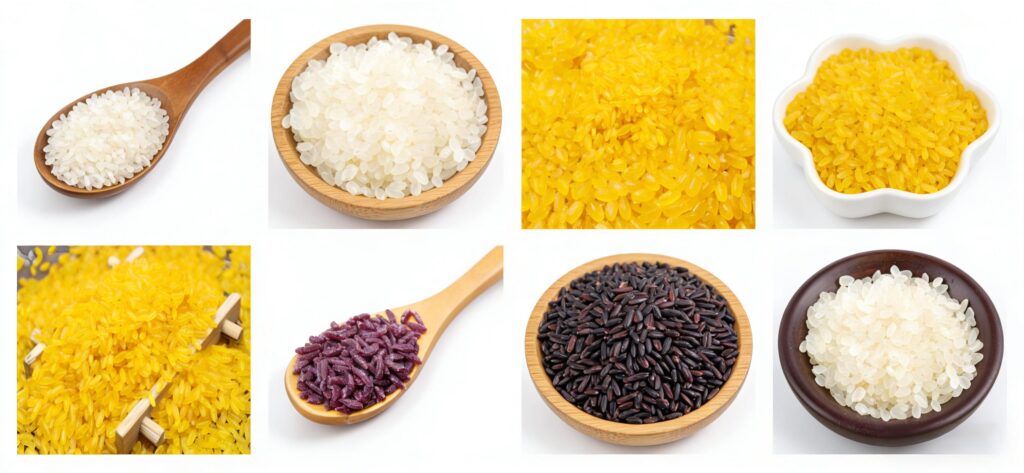
Introduction Fortified rice, also known as enriched or nutrient-enhanced rice, is produced by adding vitamins and minerals (e.g., iron, zinc, folic acid, vitamin A) to polished rice grains to combat micronutrient deficiencies. However, rice naturally contains anti-nutritional factors (ANFs) such as phytic acid, tannins, and certain enzyme inhibitors. These compounds can bind to added nutrients, reducing their bioavailability and overall effectiveness. Therefore, controlling the interaction between nutrients and ANFs is a critical challenge in the production of high-quality fortified rice. This article outlines practical strategies to minimize such unwanted reactions during the manufacturing process. 1. Selection of Compatible Nutrient Forms 2. Reduction of Anti-Nutritional Factors Prior to Fortification 3. Optimizing […]
Protecting Heat-Sensitive Nutrients During Fortified Rice Production: Strategies and Best Practices
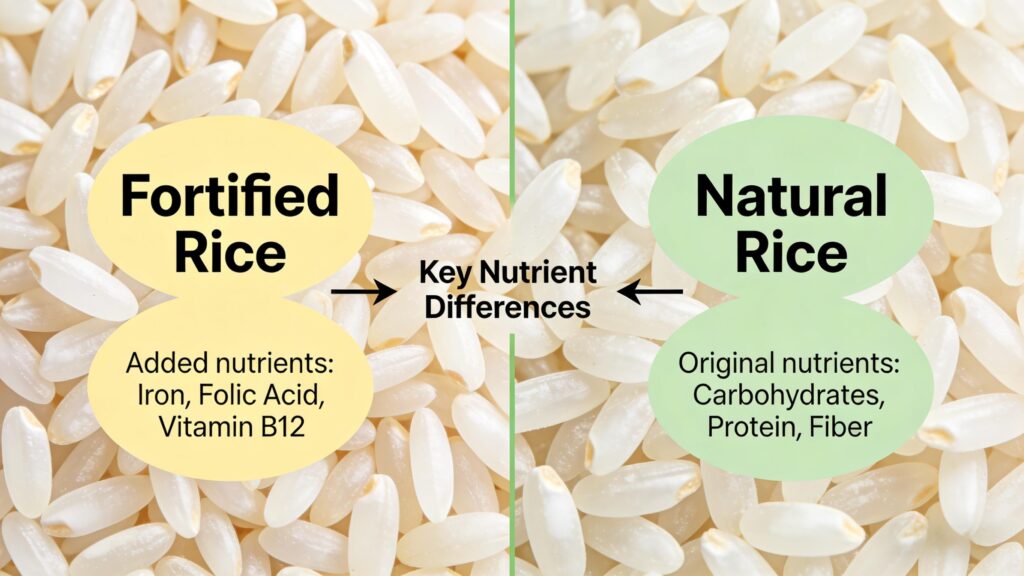
Fortified rice is an effective vehicle for delivering essential micronutrients such as iron, folic acid, vitamin B12, zinc, and vitamin A to populations dependent on rice as a staple food. fortified rice manufacturing machine However, many of these nutrients—particularly folic acid, certain B vitamins (B1, B6, B12), and vitamin A—are highly sensitive to heat. During production processes like extrusion, drying, and parboiling, exposure to elevated temperatures can degrade these nutrients, reducing their bioavailability and the overall efficacy of the fortified rice. Protecting heat-sensitive nutrients requires a combination of process engineering, ingredient formulation, and quality control measures. Below are the key strategies used in the industry to minimize thermal degradation. 1. […]
Main Production Processes for Fortified Rice: Types, Advantages, and Disadvantages
Fortified rice is regular rice that has been enriched with essential vitamins and minerals (such as iron, folic acid, zinc, and vitamin B12) to combat malnutrition. fortified rice making machine price The key challenge in production is to create a product that looks, cooks, and tastes like natural rice while retaining its nutritional value. There are several manufacturing methods, but three main processes dominate the industry: coating (dusting), extrusion (hot or cold), and parboiling (soaking) . Below is a detailed comparison of each. 1. Coating / Dusting Process In this method, a liquid or powdered nutrient premix is sprayed onto the surface of polished rice grains. The grains are then […]
Target Audience for Fortified Rice: Who Is It For, and Is It Suitable for Long-Term Consumption by Everyone?

Fortified rice is regular rice enriched with essential micronutrients such as iron, folic acid, zinc, and vitamins like B12. fortified rice machinery It is designed to address malnutrition and nutrient deficiencies in populations that rely heavily on rice as a staple food. While it offers significant public health benefits, it is not necessarily suitable for everyone as a long-term daily food source. Target Audience for Fortified Rice Is Fortified Rice Suitable for Long-Term Consumption by Everyone? While fortified rice is generally safe for most people, fortified rice machinery long-term universal consumption is not recommended without considering individual health status and dietary intake. Suitable for most healthy individualsFor healthy individuals without […]
 Japanese
  English
  Russian
  Spanish
  Italian
  Arabic
  Portuguese
  German
  French
  Moroccan Arabic
  Persian
  Belarusian