
Temperature and Pressure Dynamics in the Puffing Process
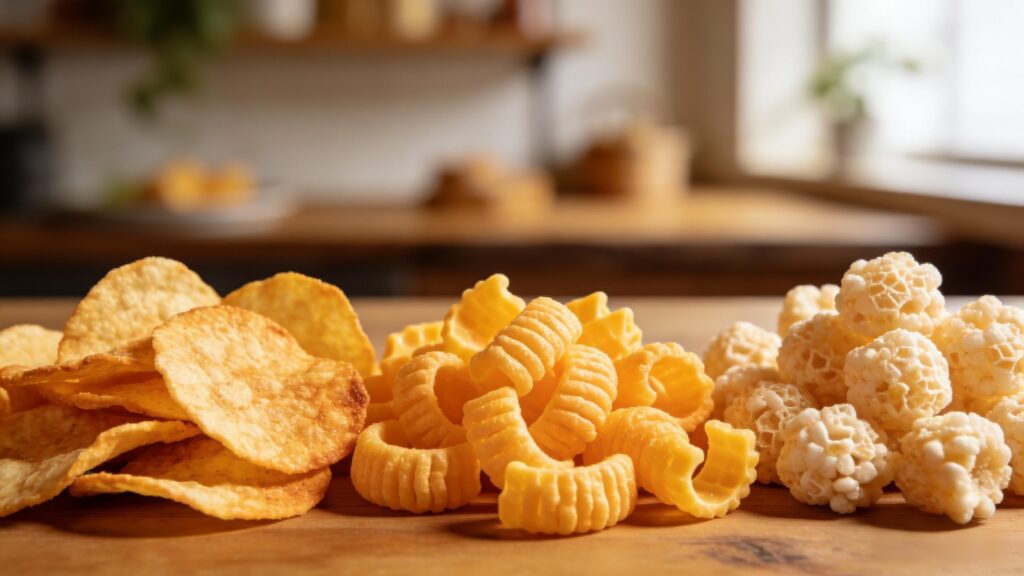
In any puffing process—whether extrusion cooking, gun puffing, or steam puffing—temperature and pressure are not independent variables. They are intrinsically linked, and their precise control determines the final product’s expansion ratio, texture, and quality. Understanding how these two parameters change over time is key to successful puffing. The Four Distinct Stages of Change We can divide the puffing process into four stages based on how temperature and pressure behave. Stage 1: Feeding and Initial Heating (Pressure = Low, Temperature = Rising) Stage 2: Compression and Cooking (Pressure = Rapidly Rising, Temperature = Rapidly Rising) This is the most critical phase. snacks machinery As the screw (in an extruder) conveys material […]
The Basic Principles of Puffing: Turning Raw Materials into Expanded Structures

Puffing is a critical processing technology used extensively in the food, feed, and pet food industries. It transforms dense, hard raw materials (like grains or starches) into light, porous, and crispy expanded products (e.g., puffed rice snacks, breakfast cereals, and floating fish feed). The core principle behind this transformation is the sudden release of pressure and moisture. Here are the four fundamental principles governing the puffing process. 1. Starch Gelatinization (The Preparation Phase) Raw materials typically contain hard, semi-crystalline starch granules. Under high temperature (typically 100–180°C) and high pressure (20–40 bar) inside an extruder or puffing vessel, water acts as a plasticizer. The starch granules absorb moisture, swell, and lose […]
Formulating for Palatability: How Ingredient Selection Shapes Flavor and Texture in Dog Food

Introduction Palatability—the combination of flavor, aroma, and texture that makes food appealing—is a critical quality in dog food. Unlike humans, dogs rely primarily on smell (olfaction) and texture (mouthfeel) rather than complex taste profiles. dog food pellet machine Therefore, adjusting ingredient formulation is the most effective way to enhance intake and satisfaction. This article explains how specific ingredients can be used to optimize both flavor and texture in dry, semi-moist, and wet dog foods. Part 1: Adjusting Flavor (Taste & Aroma) Dogs have fewer taste buds than humans (≈1,700 vs. 9,000) but possess a highly sensitive sense of smell. Flavor in dog food is largely driven by volatile aromatic compounds […]
The Principle of Extrusion/Puffing Technology and the Impact of Expansion Ratio on Digestibility in Dog Food
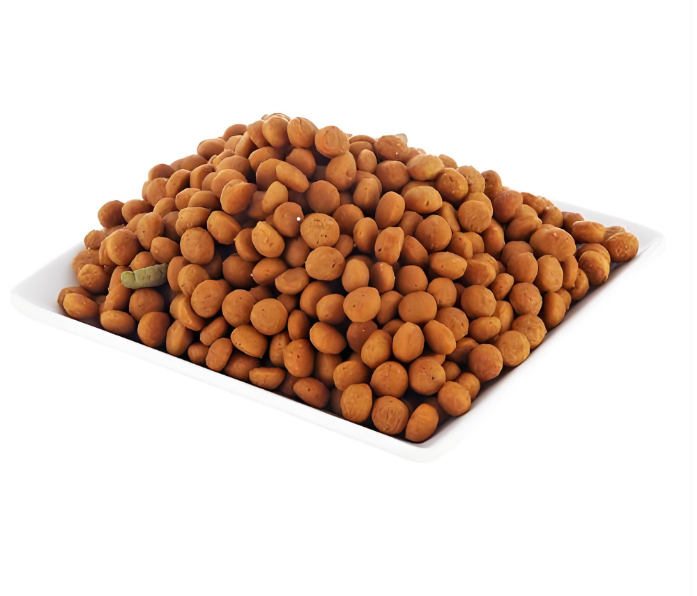
1. Principle of Puffing Technology Puffing (or extrusion) technology is a high-temperature, dog food extruder for sale short-time (HTST) process widely used in pet food production. The principle involves three key stages: This process not only shapes the kibble but also enhances nutrient availability by breaking down complex molecules. 2. How Expansion Ratio Affects Dog Food Digestibility The expansion ratio (kibble volume ÷ raw material volume) is a key parameter directly influencing digestibility through three mechanisms: A. Starch Gelatinization (Positive Effect)A moderate to high expansion ratio indicates thorough starch gelatinization (typically >85% for well-puffed diets). Gelatinized starch becomes soluble and accessible to canine pancreatic amylase, significantly increasing starch digestibility from […]
 Japanese
  English
  Russian
  Spanish
  Italian
  Arabic
  Portuguese
  German
  French
  Moroccan Arabic
  Persian
  Belarusian