
Fortified rice is ordinary rice that has been coated or blended with a precise mixture of vitamins and minerals—such as iron, zinc, vitamin A, and B vitamins—to combat “hidden hunger” (micronutrient deficiency). A fortified rice production line typically uses extrusion or coating technology. The most common industrial method is hot extrusion, where a rice-like kernel (the “fortified kernel”) is produced and then blended with natural rice at a ratio of about 1:100 to 1:200.
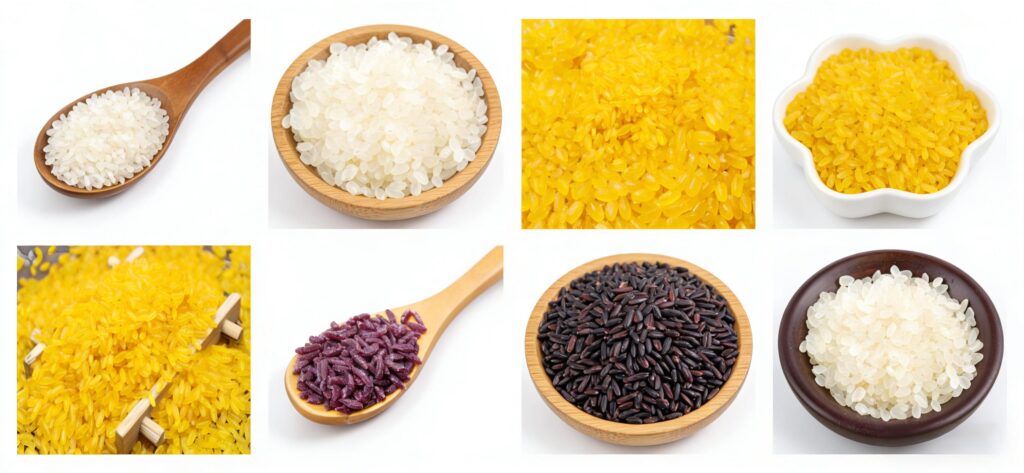
Operating such a line requires attention to hygiene, precision, and quality control. Below is a step-by-step guide.
1. Pre-Operation Preparation
Before starting the line, complete these checks:
- Verify raw materials: Ensure you have rice flour (or broken rice flour), vitamin-mineral premix, water, and optionally emulsifiers. Check that the premix is within its shelf life and stored away from light and moisture.
- Inspect equipment: Check the extruder, mixer, dryer, cooler, and packaging machine for cleanliness, lubrication, and loose parts.
- Calibrate scales and metering pumps: Accurate dosing of micronutrients is critical. A small error can lead to either deficiency or toxicity.
- Wear proper PPE: Operators should wear clean uniforms, hairnets, gloves, and dust masks when handling premix.
2. The Extrusion Process (Core Step)
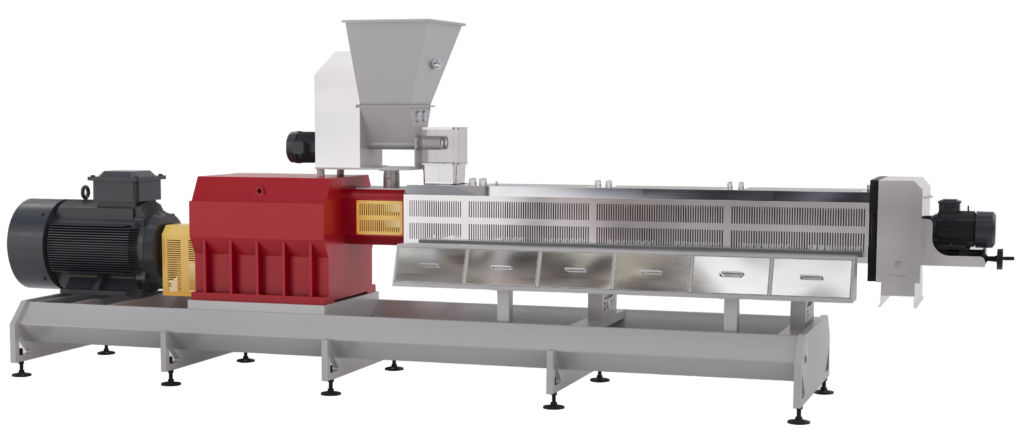
Most fortified rice kernels (FRKs) are made by extrusion. Here is how to operate it:
Step 1: Mixing
- Combine rice flour with water and the vitamin-mineral premix in a ribbon blender or high-speed mixer.
- The typical moisture content is 25–35%.
- Mix for 5–10 minutes until uniform. Avoid overmixing, which can generate heat and degrade heat-sensitive vitamins.
Step 2: Extrusion
- Feed the mixture into a twin-screw extruder.
- Set barrel temperatures carefully. A common range is 80–120°C, but this depends on the vitamin blend. High heat destroys vitamin A and some B vitamins, so use the lowest possible temperature that still cooks the flour.
- The extruder pushes the dough through a die with rice-shaped holes.
- A rotating cutter slices the extrudate into rice-length kernels.
Step 3: Drying
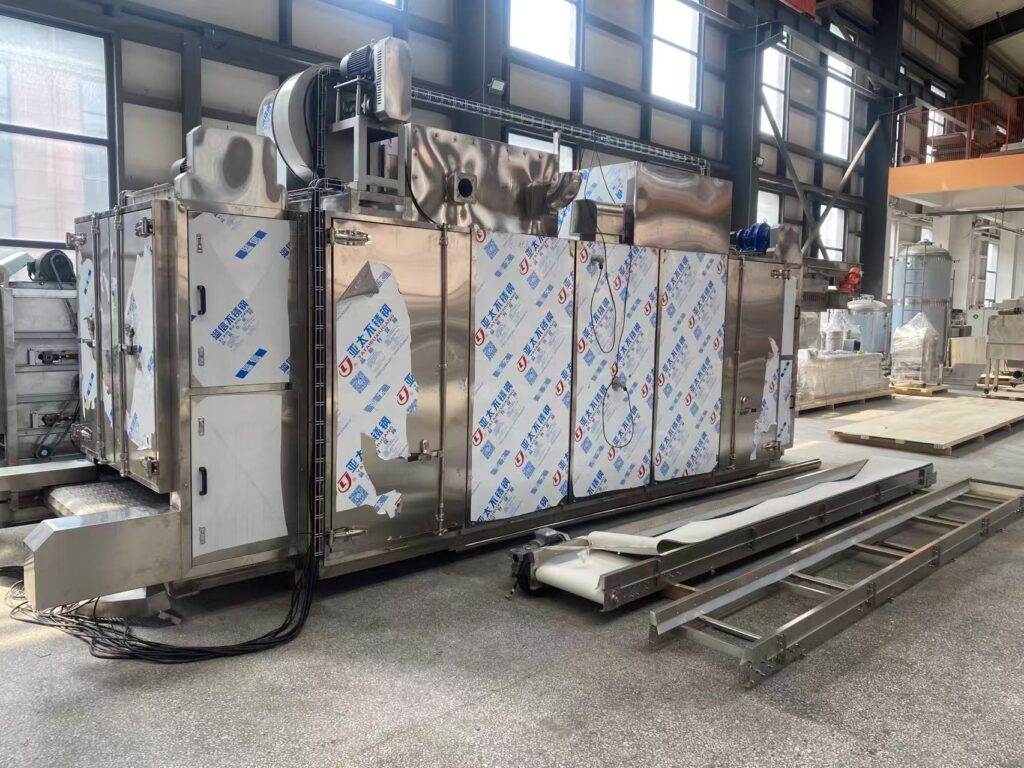
- Wet kernels go into a fluidized bed dryer or tray dryer.
- Dry at 60–80°C until moisture drops to 10–12%.
- Do not over-dry; brittle kernels break during blending.
Step 4: Cooling
- Cool the kernels to room temperature (below 30°C) in a cooling conveyor or fluidized bed.
- This prevents condensation inside packaging.
3. Coating Method (Alternative)
Some lines use a coating process instead of extrusion:
- Natural rice is sprayed with a vitamin-mineral solution in a rotating drum or fluidized bed coater.
- The coating must be evenly applied and dried.
- This method is cheaper but the nutrients can wash off during rinsing. Extrusion is generally preferred for better retention.
4. Blending with Natural Rice
Fortified kernels are not eaten alone. They are blended with regular rice:
- Typical ratio: 1 part fortified kernel to 100–200 parts natural rice.
- Use a continuous blender or a rotary drum mixer.
- Blend for at least 5 minutes to ensure homogeneity.
- Take samples from different points of the blender to check uniformity.
5. Packaging and Storage
- Package in moisture-barrier bags (e.g., laminated films) to protect vitamins from humidity and light.
- Flush with nitrogen if possible to extend shelf life.
- Label clearly with production date, batch number, and nutrient content.
- Store in a cool, dry warehouse away from direct sunlight.
6. Quality Control (QC) Checks
Run these tests regularly:
| Test | Frequency | Method |
|---|---|---|
| Moisture content | Every batch | Moisture analyzer |
| Vitamin content | Weekly or per batch | HPLC or UV spectrophotometry |
| Kernel shape & size | Hourly | Visual / sieve analysis |
| Blending uniformity | Every 2 hours | Sample from 5 points |
| Microbial safety | Weekly | Standard plate count |
| Sensory (taste, color) | Daily | Trained panel |
If vitamin content is below spec, check:
- Premix dosing accuracy
- Extrusion temperature (too high?)
- Drying time (too long?)
- Storage conditions
7. Cleaning and Maintenance
- After each shift: Clean the extruder die, cutter, and mixer with warm water and food-grade detergent. Rinse thoroughly.
- Daily: Inspect screws, seals, and belts for wear.
- Weekly: Lubricate bearings and check electrical connections.
- Monthly: Calibrate all scales and metering pumps.
- Record everything: Keep a log of cleaning, maintenance, and calibration.
8. Safety Notes
- Vitamin premix is a fine powder. Avoid inhaling it—use local exhaust ventilation.
- Never mix premix by hand without a mask.
- Keep water away from electrical panels.
- Follow lockout/tagout (LOTO) procedures before servicing the extruder.
9. Common Problems and Solutions
| Problem | Likely Cause | Solution |
|---|---|---|
| Kernels break easily | Over-dried or under-cooked | Adjust drying temp/time; check extrusion moisture |
| Vitamin loss too high | Extrusion temp too high | Lower barrel temperature; use heat-stable vitamin forms |
| Uneven blend | Short blending time | Increase blending to 5–10 min; check blender speed |
| Off-flavor | Old premix or oxidized oil | Use fresh premix; add antioxidant if allowed |
| Poor kernel shape | Wrong die or cutter speed | Replace die; adjust cutter speed |
10. Conclusion
Operating a fortified rice production line is a balance between precision nutrition and food processing. The key points are:
- Accurate dosing of micronutrients.
- Gentle extrusion to protect vitamins.
- Uniform blending with natural rice.
- Strict QC at every step.
- Clean, well-maintained equipment.
 Italian
  English
  Russian
  Spanish
  Arabic
  Portuguese
  German
  French
  Japanese
  Moroccan Arabic
  Persian
  Belarusian