
Cleaning a twin-screw extruder is a critical maintenance task that ensures product quality, prevents contamination, and extends equipment life. The process can be broadly divided into in-machine purging (for quick changeovers) and manual teardown cleaning (for deep maintenance). The right approach depends on the resin being processed, the severity of contamination, and the time available.

In-Machine Purging
Purging is the primary method for cleaning the screw and barrel without disassembly. It is used for color or material changes and for routine preventative maintenance.
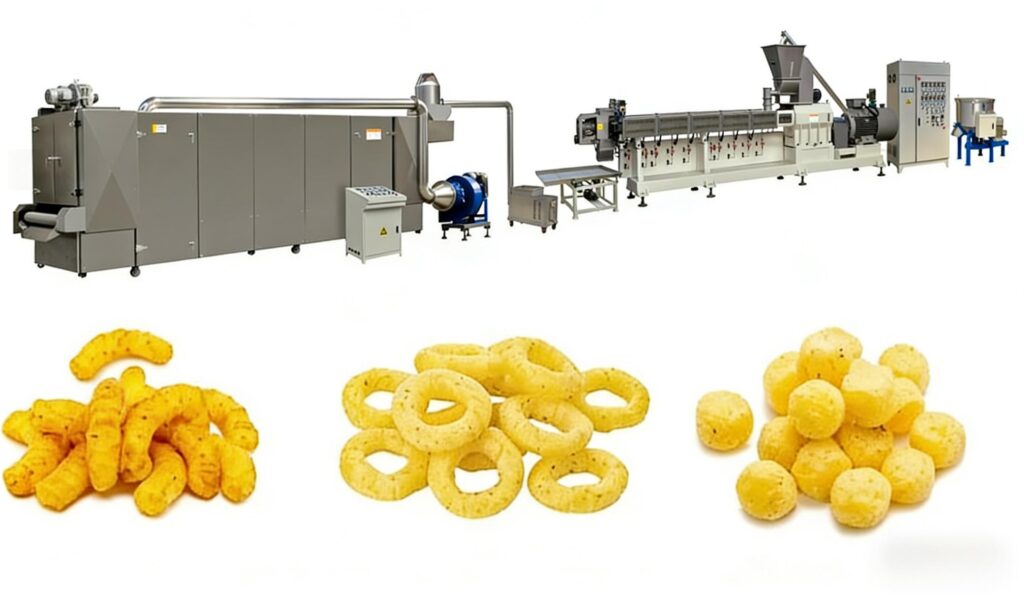
The Purging Procedure
- Stop the Feed: Close the slide gate at the bottom of the hopper to stop material flow .
- Reduce Screw Speed: Lower the screw speed to 15-25 RPM and run until the melt flow from the die stops .
- Set Barrel Temperature: Set all barrel heating zones to approximately 200°C (400°F) . Wait for the system to reach this temperature.
- Introduce Purging Compound: Add the purging compound. A fractional melt HDPE is often used, though commercial compounds are more effective . The amount depends on screw size (e.g., ~5 kg for a 50mm screw) .
- Purge: Continue processing the purging compound at 15-20 RPM until the extrudate shows a complete change and runs clean .
- Discharge: Stop the screw, remove the die head, and restart the screw at ~10 RPM to discharge remaining purge material .
Choosing the Right Purge Compound
- Mechanical Purge Compounds: These work by physically scrubbing the screw and barrel surfaces. They are effective for general cleaning and standard changeovers .
- Chemical Purge Compounds: These use a chemical reaction to create gases that reach “dead spots” and low-pressure areas (like vents) where mechanical purges can’t reach. They are ideal for removing stubborn carbon deposits and black specks .
- Don’t Use Production Resin or Regrind: Using the next production resin or regrind as a purge is ineffective. It does not clean and can actually create layers of carbonized material that become future contamination sources .
Manual Cleaning (Screw Pull)
When a deep clean is required—for example, to change screw designs or remove severe contamination—the screw must be pulled from the barrel.

Safety First: What NOT to Do
Never use an acetylene torch or open flame to burn plastic off a screw. The extreme, localized heat will:
- Bend the screw due to uneven thermal expansion .
- Change the metallurgy, reducing the steel’s hardness and wear resistance .
- Cause delamination of the base metal .
Cleaning the Screw
- Pull the Screw: Use a screw extractor mechanism to push the screw out of the barrel until 4-5 flights are exposed .
- Initial Scraping: While the screw is still hot, use a brass putty knife and a brass wire brush to remove the bulk of the polymer from the screw flights .
- Deep Clean: Sprinkle stearic acid onto the root of the screw and use brass gauze to scrub away the remaining residue. Stearic acid acts as a lubricant and helps lift the polymer .
- Final Polish: Wipe the entire screw down with a soft cotton rag until it is completely clean and free of residue .
- Storage: If the screw will be stored, spray it with a light oil (e.g., WD-40) to prevent rust .
Cleaning the Barrel
- Prepare the Tool: Attach a round wire brush (the diameter of the barrel bore) to a long extension rod and an electric drill. Wrap the brush with copper or brass gauze .
- Add Stearic Acid: Sprinkle a handful of stearic acid into the barrel bore and onto the brush/gauze assembly .
- Scrub the Bore: Insert the brush/gauze assembly into the barrel and run the electric drill, moving the brush in and out until it moves freely with no resistance .
- Final Wipe: Use a bundle of cotton rags pushed back and forth through the barrel to remove all residue and stearic acid. Repeat until the rags come out completely clean .
Alternative Cleaning Methods
- Resin Cleaning: Using a high-viscosity resin (like polyester or epoxy) can be effective for general cleaning, especially in new equipment, but may not reach dead spots .
- Water Washing (Specialized Equipment): Automatic screw cleaning machines use hydrodynamic energy to clean screws in 10-20 minutes without damaging them. However, this requires a significant capital investment .
The Importance of Preventative Purging
Waiting until you see contamination is too late. Implementing a regular purging schedule prevents the buildup of carbon and color deposits. Companies that follow a structured purge program often report significant reductions in downtime, scrap rates, and the frequency of labor-intensive screw pulls .
 Italian
  English
  Russian
  Spanish
  Arabic
  Portuguese
  German
  French
  Japanese
  Moroccan Arabic
  Persian
  Belarusian