Introduction
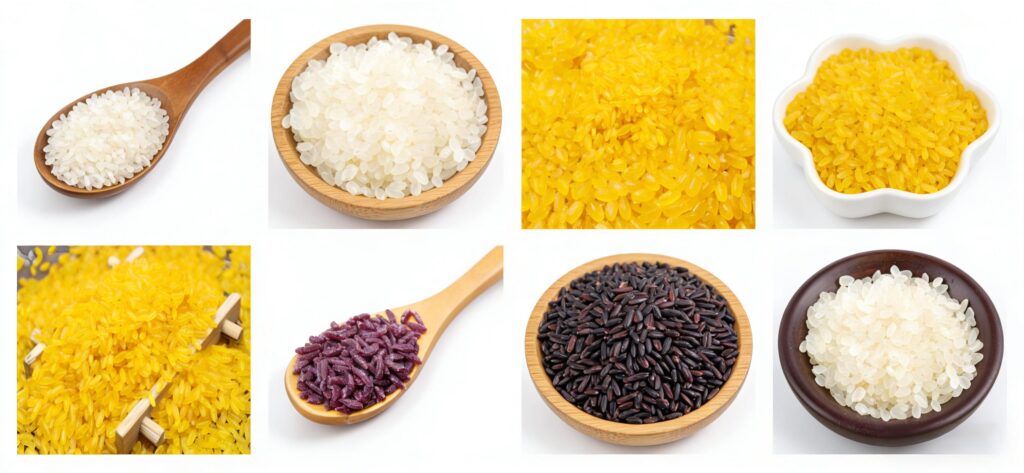
Fortified rice is rice that has been enriched with additional vitamins and minerals, such as iron, folic acid, zinc, and vitamin B12. fortified rice making machine It is designed to address nutrient deficiencies in populations that rely heavily on rice as a dietary staple. While it offers clear public health benefits, it is not necessarily suitable for everyone, nor is it always ideal for lifelong consumption without considering individual health conditions.
Target Audience for Fortified Rice
The primary target population for fortified rice includes:
- Low-Income Communities in Developing Countries – These groups often consume large amounts of rice but have limited access to diverse, nutrient-rich foods like meat, vegetables, and fruits. Fortified rice helps reduce malnutrition at a low cost.
- Pregnant and Lactating Women – These women have higher nutritional demands, particularly for iron and folic acid, which are essential for fetal development and prevention of birth defects.
- Children and Adolescents – Rapid growth increases the need for micronutrients. Fortified rice can help prevent iron-deficiency anemia and support cognitive development.
- Elderly Individuals – Older adults may have reduced appetite or difficulty absorbing nutrients. Fortified rice provides a convenient way to meet their nutritional needs.
- Vegetarians and Vegans – Since rice is a plant-based food, fortifying it with vitamin B12 (found mainly in animal products) can benefit those avoiding animal-derived foods.
- Refugees and Disaster-Affected Populations – In emergency settings where food variety is limited, fortified rice serves as an efficient vehicle for delivering essential nutrients.
Is Fortified Rice Suitable for Long-Term Consumption by Everyone?
While fortified rice is safe and beneficial for most people, it is not universally recommended for all individuals over the long term. fortified rice making machine The following considerations apply:
1. Risk of Nutrient Overload
Unlike natural whole foods, fortified rice provides fixed levels of added nutrients. For healthy individuals consuming a balanced diet that already meets or exceeds daily requirements, fortified rice making machine long-term intake of fortified rice could lead to excessive accumulation of certain nutrients. For example:
- Excess iron may cause gastrointestinal issues and, over time, damage to the liver, heart, and pancreas (hemochromatosis).
- Too much folic acid can mask vitamin B12 deficiency in older adults, delaying diagnosis of neurological damage.
2. Specific Health Conditions
- People with iron overload disorders (e.g., hereditary hemochromatosis) should avoid iron-fortified rice, as it can worsen organ damage.
- Individuals with chronic kidney disease may need to limit certain minerals (e.g., phosphorus or potassium, depending on fortification formula).
- Patients on restricted diets (e.g., for PKU or other metabolic disorders) must check fortificant composition, as some added vitamins may interfere with treatment.
3. General Population with Adequate Nutrition
If a person already consumes a varied diet including meat, eggs, dairy, legumes, and fortified cereals, long-term use of fortified rice is unnecessary and potentially redundant. Over-supplementation, even from fortified staples, is a growing concern in middle- and high-income regions where multiple fortified foods are available.

4. Infants and Very Young Children
While children are a target group, caregivers must ensure that total nutrient intake from all sources (formula, other fortified foods, supplements) does not exceed safe upper limits. Pediatric guidelines should be followed.
Conclusion
Fortified rice is a highly effective public health tool for specific target populations—especially those at risk of micronutrient deficiencies due to poverty, life stage (pregnancy, childhood), or restricted diets (vegetarianism). However, it is not suitable for lifelong consumption by everyone. Healthy individuals with balanced diets, people with certain metabolic or iron-related disorders, and those already consuming multiple fortified products should avoid unnecessary long-term use. Ideally, fortified rice should be distributed based on nutritional need, and consumers should be informed about its contents. As with any fortified food, the guiding principle should be: supplement only when deficient, and avoid excess. If you are interested in the Máquina de arroz enriquecido you can contact me , i will give you good advice and solutions .
1.Will you help us with the installation ?
Yes , We will send engineers to install and debug the equipment, and assist in training your staff.
2.Are you a factory or trading company?
We are a factory.
3.What certificate do you have?
We have ISO and CE certificate.
4.How long is the warranty period?
All of our machines have one year warranty.
5.What’s the main market of your company?
Our customers all over the world.
6.How much production capacity of your company one year?
This depends on your needs.
 Spanish
  English
  Russian
  Italian
  Arabic
  Portuguese
  German
  French
  Japanese
  Moroccan Arabic
  Persian
  Belarusian