
Fortified rice is ordinary rice that has been artificially enriched with vitamins and minerals to combat micronutrient deficiencies. But how exactly do manufacturers get those nutrients — iron, zinc, folic acid, vitamin A — into each grain of rice?
The process depends on the production method used. There are three primary industrial techniques, each with a different mechanism for nutrient addition.
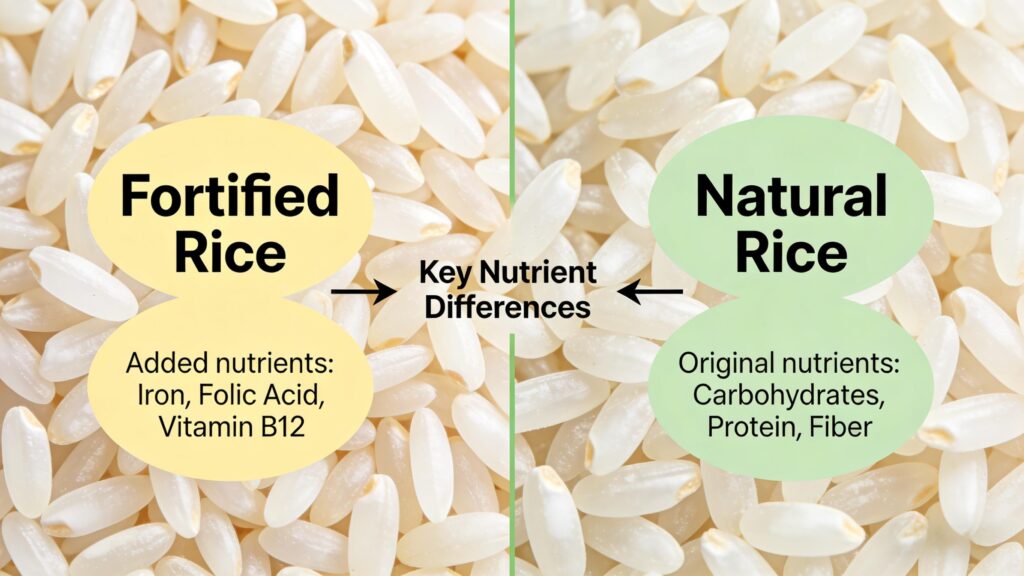
Method 1: Coating (Surface Spraying)
How it works
Nutrients are dissolved or suspended in a liquid solution and sprayed directly onto the surface of polished rice grains. A food-grade film-forming agent (such as ethyl cellulose, gum arabic, or starch) is often added to help the nutrients stick to the rice.
Step‑by‑step process
- Prepare the nutrient solution – Vitamins and minerals are mixed with water or a solvent along with binding agents.
- Spray application – The solution is atomized and sprayed onto rice grains inside a rotating drum or fluidized bed.
- Drying – Warm air is blown over the coated rice to evaporate the solvent, leaving a thin nutrient layer on each grain.
- Final mixing – The coated grains may be blended with untreated rice at a predetermined ratio (e.g., 1:200).
Nutrient addition efficiency
- Simple and low‑cost.
- Major drawback – Nutrients are only on the surface. Washing the rice before cooking removes 50–80% of added nutrients; boiling causes further loss.
Method 2: Hot Extrusion (The Most Common and Effective Method)
How it works
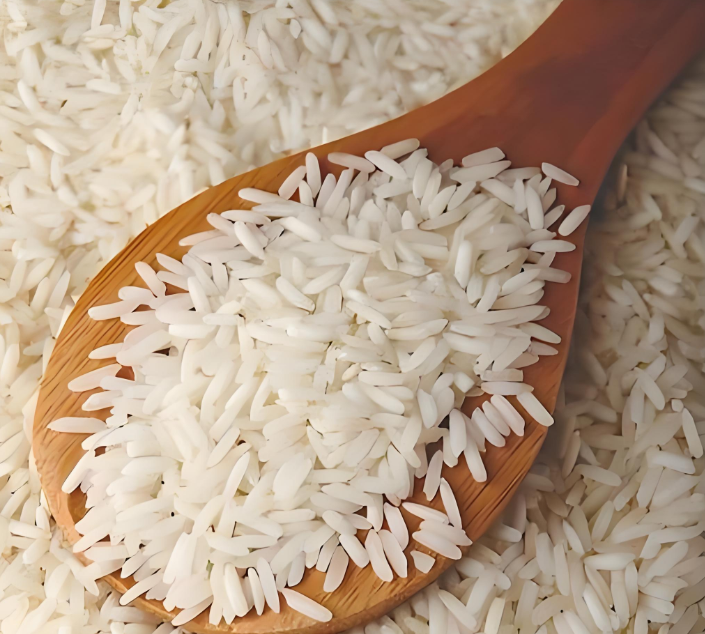
Instead of coating finished rice, extrusion creates fortified rice kernels (also called “artificial rice grains”) from rice flour mixed with nutrients. These kernels are then blended with ordinary rice.
Step‑by‑step process
| Step | Description |
|---|---|
| 1. Grinding | Regular rice (often broken rice or rice flour) is ground into a fine powder. |
| 2. Dry mixing | The rice flour is blended with a vitamin‑mineral premix (e.g., iron, zinc, folic acid, vitamin A). A binder such as guar gum or modified starch is also added to improve texture. |
| 3. Adding water | Water (typically 25–35% of the mixture) is added to form a homogeneous dough. |
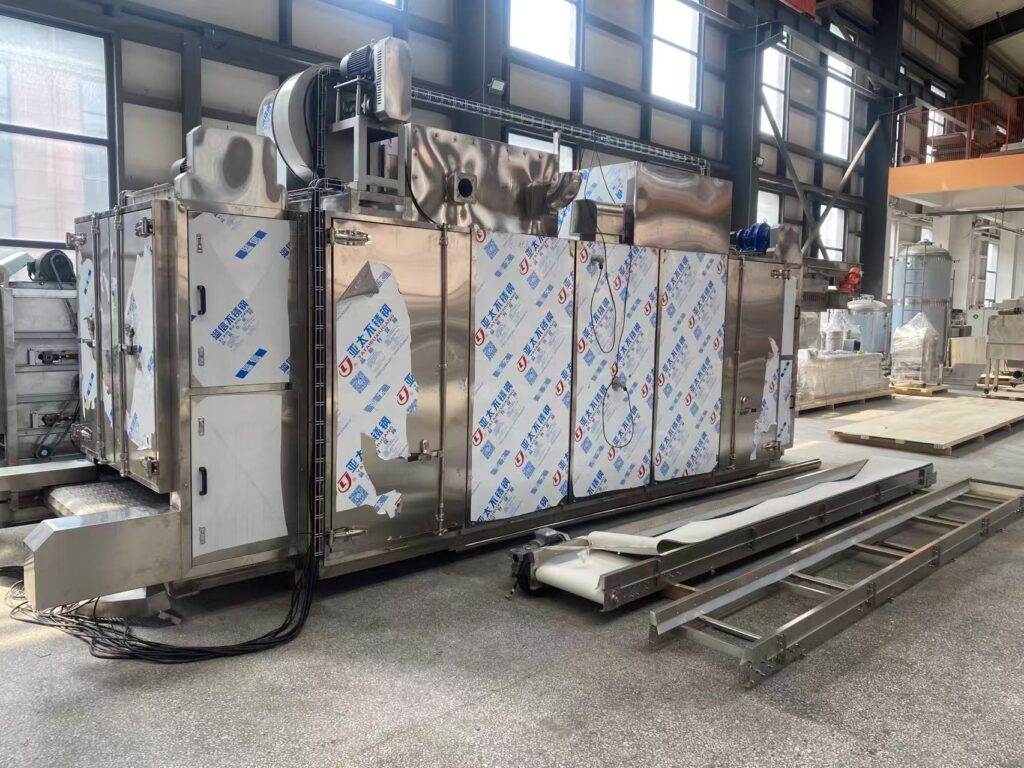
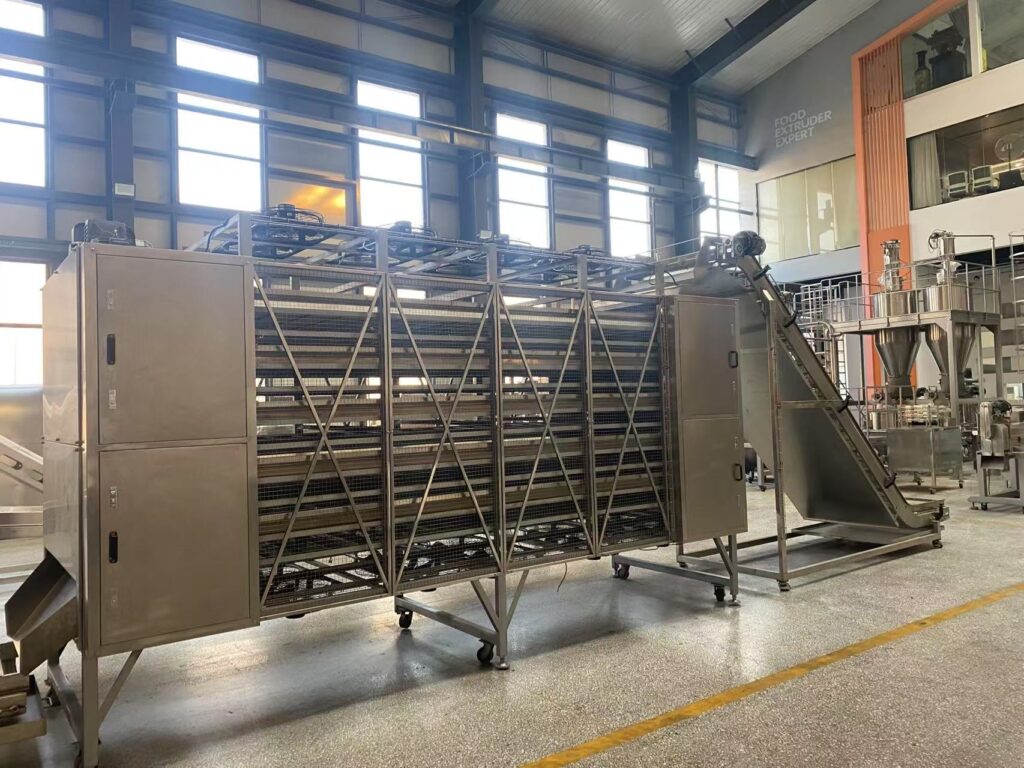
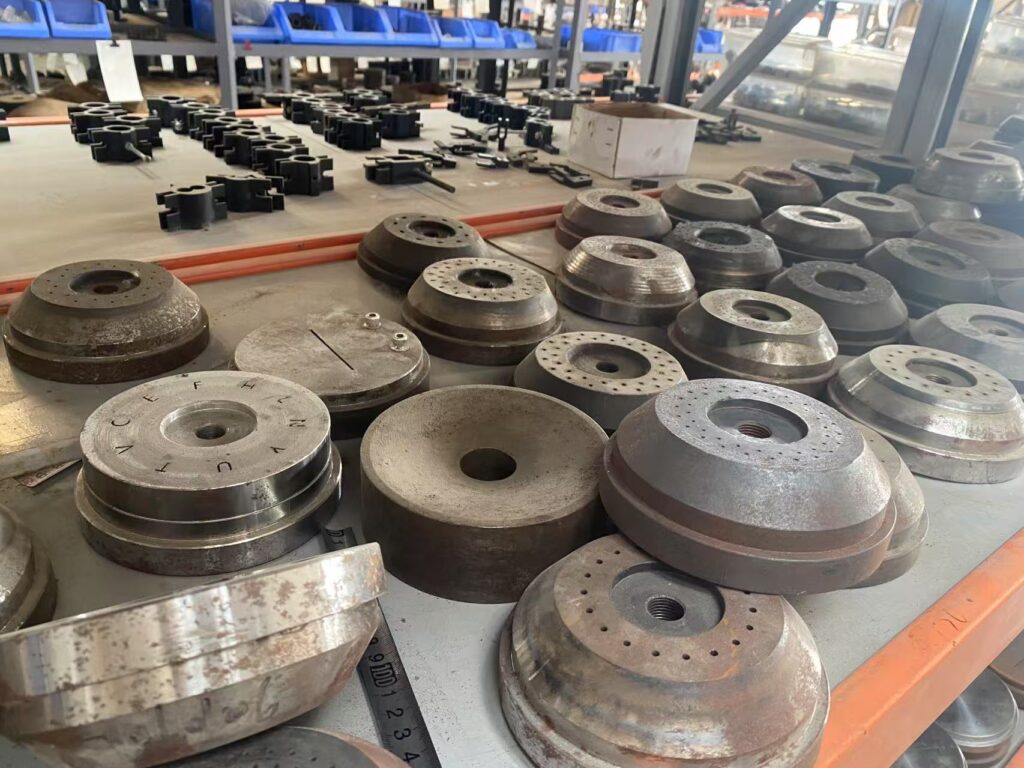
| 4. Extrusion | The dough is forced through a die with small holes (about 1–2 mm in diameter) under high temperature (80–100 °C) and pressure. As the dough exits the die, it expands and is cut into kernel‑like shapes. |
| 5. Drying | The wet kernels are dried to reduce moisture to 10–12%, matching the moisture level of ordinary rice. |
| 6. Blending | The dried fortified kernels are mixed with regular rice, typically at a ratio of 1 part fortified kernels to 100 parts ordinary rice (1:100). |
Why extrusion is superior for nutrient retention
- Nutrients are embedded inside the kernel matrix, not just on the surface.
- The starch gelatinization during extrusion locks nutrients in place.
- Washing and normal cooking cause only 10–15% nutrient loss, compared to 50–80% with coating.
Illustration: In extrusion, the nutrient‑rice flour mixture is cooked and shaped into kernels that closely resemble natural rice grains.
Method 3: Dusting (Powder Adhesion)
How it works
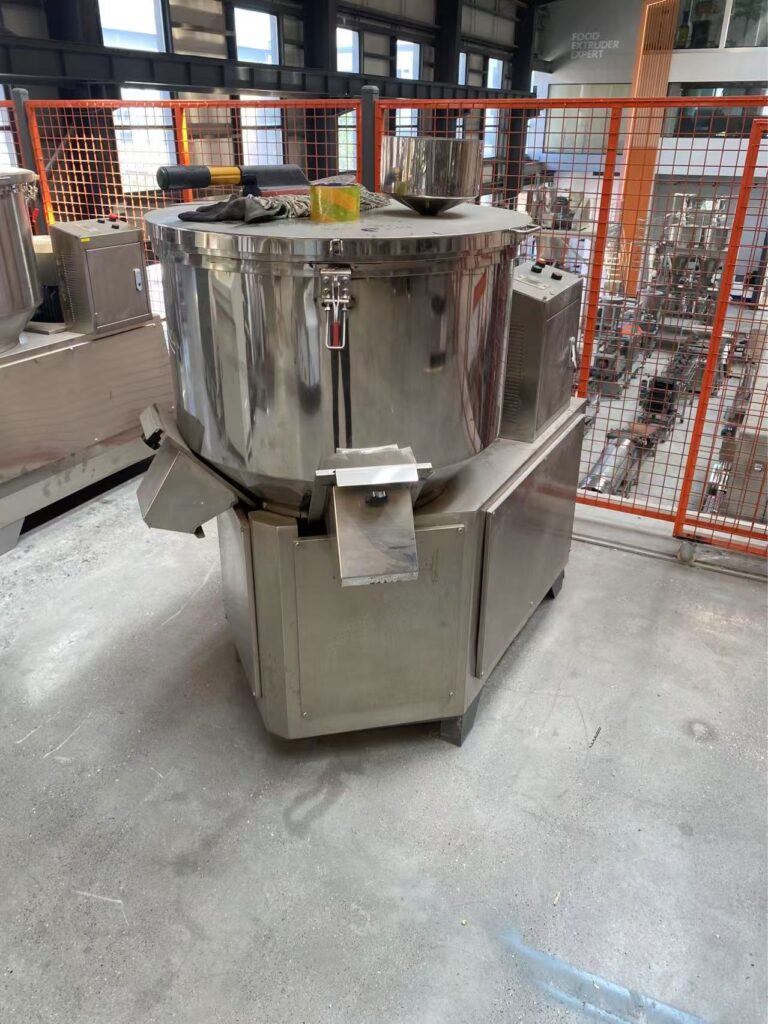
A dry powder containing vitamins and minerals is mixed with slightly moist rice grains. The moisture on the rice surface helps the powder stick.
Step‑by‑step process
- Ordinary rice is briefly wetted or steamed to make its surface sticky.
- A dry nutrient premix (fine powder) is sprinkled over the moist rice.
- The mixture is tumbled to distribute the powder evenly.
- The rice is dried again to remove surface moisture.
Nutrient addition efficiency
- Very low cost, suitable for small‑scale or home fortification.
- Poor uniformity – Powder does not adhere evenly.
- Nutrients are easily lost during rinsing (similar to coating).
- Rarely used in commercial industrial production today.
How the Different Methods Compare
| Feature | Coating | Extrusion | Dusting |
|---|---|---|---|
| Nutrient location | Only on surface | Throughout the kernel | Only on surface |
| Resistance to washing | Poor | Excellent | Very poor |
| Nutrient loss during cooking | High (50–80%) | Low (10–15%) | Very high (60–90%) |
| Production cost | Low | Medium–High | Very low |
| Uniformity between grains | Medium | High | Low |
| Main industrial use | Rare (outdated) | Most common worldwide | Almost none |
What Nutrients Are Added and in What Form?
Not all vitamins and minerals can be added in the same way. The table below shows common nutrient forms used in fortified rice production:
| Nutrient | Typical compound used | Stability during extrusion |
|---|---|---|
| Iron | Ferric pyrophosphate (micronized), NaFeEDTA | Good (heat‑stable, does not cause rancidity) |
| Zinc | Zinc oxide, zinc sulfate | Good |
| Vitamin A | Retinol palmitate (encapsulated) | Moderate – requires encapsulation or cold extrusion |
| Folic acid | Pteroylmonoglutamic acid | Good |
| Vitamin B12 | Cyanocobalamin | Moderate – sensitive to high heat |
| Vitamin B1 (Thiamine) | Thiamine mononitrate | Good |
| Vitamin B3 (Niacin) | Nicotinamide | Very good |
Heat‑sensitive vitamins (A, B12, C) often require encapsulation (coating each nutrient particle with a protective layer) before being added to the extrusion mix.
A Real‑World Example: Iron‑Fortified Rice by Extrusion
To illustrate the process, here is a typical formulation for iron‑fortified rice:
- Base – 97% rice flour (from broken rice)
- Iron premix – 2% ferric pyrophosphate (provides 10 mg iron per 100 g final fortified rice)
- Binder – 0.5% guar gum
- Water – 30% of dry weight
The mixture is extruded at 85 °C, dried, and blended with ordinary rice at 1:100. The final blended rice contains approximately 0.1 mg iron per gram of raw rice — enough to provide 30–50% of daily iron needs in a typical rice‑eating population.
How to Ensure Nutrients Are Evenly Distributed
Uneven nutrient distribution can cause some people to receive too little or too much. Manufacturers use several quality control measures:
- Premix dilution – Nutrients are first mixed with a small amount of rice flour (pre‑blending), then gradually expanded.
- Particle size matching – Nutrient particles and rice flour are milled to similar sizes to prevent segregation.
- Ribbon blenders – Special mixing equipment ensures homogeneous blending of fortified kernels with ordinary rice.
- Periodic sampling – Production lines test every batch using colorimetric tests or near‑infrared (NIR) spectroscopy.
Summary: The Key Takeaway
| Method | How nutrients are added | Best for |
|---|---|---|
| Coating | Sprayed onto surface | Low‑cost, short‑shelf‑life products (not recommended) |
| Extrusion | Mixed inside the kernel during dough formation | Industrial, large‑scale, public health programs |
| Dusting | Powder stuck to wet surface | Home or village‑level fortification (rare) |
The dominant and most scientifically sound method today is hot extrusion, because it locks nutrients inside the rice kernel, allowing the fortified rice to be washed and cooked like ordinary rice while still delivering effective amounts of vitamins and minerals. If you are interested in the fortified rice making machine, you can contact me , i will give you good advice and solutions .
1.Will you help us with the installation ?
Yes , We will send engineers to install and debug the equipment, and assist in training your staff.
2.Are you a factory or trading company?
We are a factory.
3.What certificate do you have?
We have ISO and CE certificate.
4.How long is the warranty period?
All of our machines have one year warranty.
5.What’s the main market of your company?
Our customers all over the world.
6.How much production capacity of your company one year?
This depends on your needs.
 German
  English
  Russian
  Spanish
  Italian
  Arabic
  Portuguese
  French
  Japanese
  Moroccan Arabic
  Persian
  Belarusian