
For years, fortified rice has been promoted as a technological silver bullet to combat malnutrition and anemia, particularly in countries where rice is a dietary staple. Under the guise of a public health intervention, a massive industrial process has been quietly reshaping what ends up on people’s plates. This is the reality of how fortified rice is made—and why it is not what it appears to be.
The Industrial Process: How “Rice” Is Made in a Factory
The production of fortified rice is fundamentally an industrial manufacturing process, far removed from the natural growth of rice in a paddy field. The process typically begins not with whole grains, but with broken rice—the fragments left over from milling—which is ground into a fine flour. This rice flour is then mixed with a “premix” of chemically produced micronutrients, primarily iron, folic acid, and vitamin B-12.
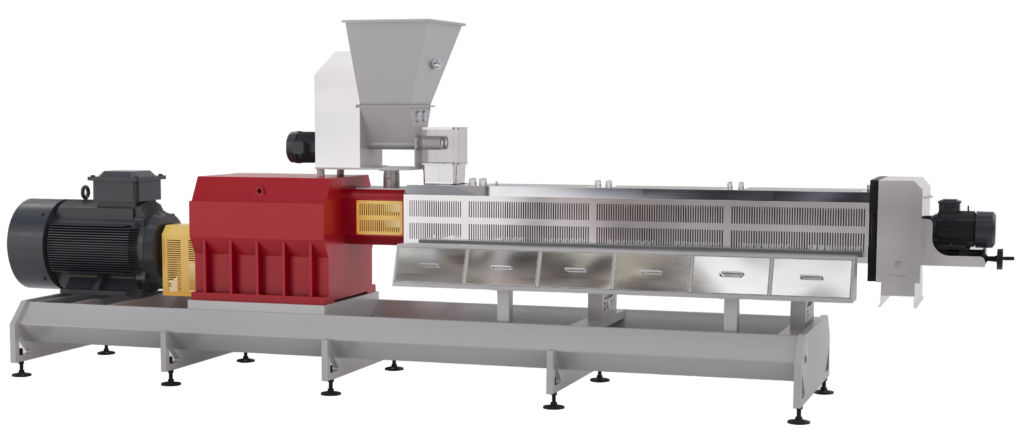
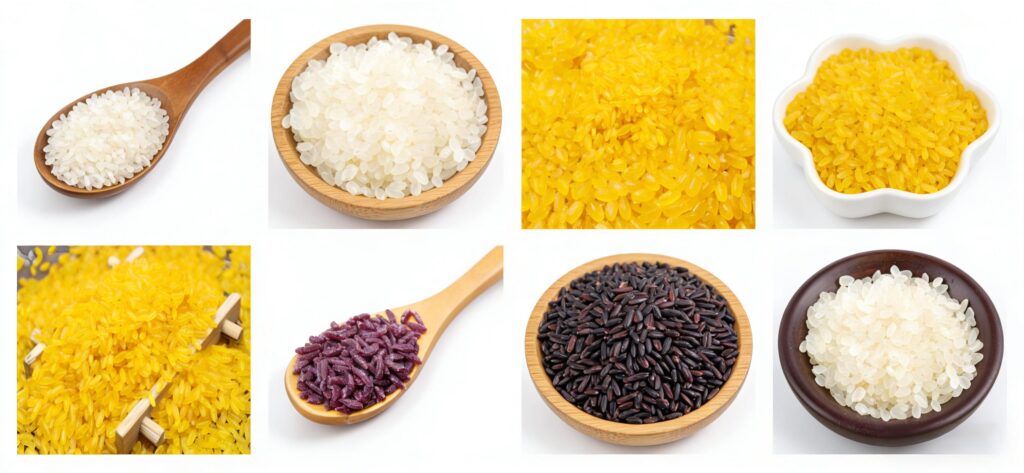
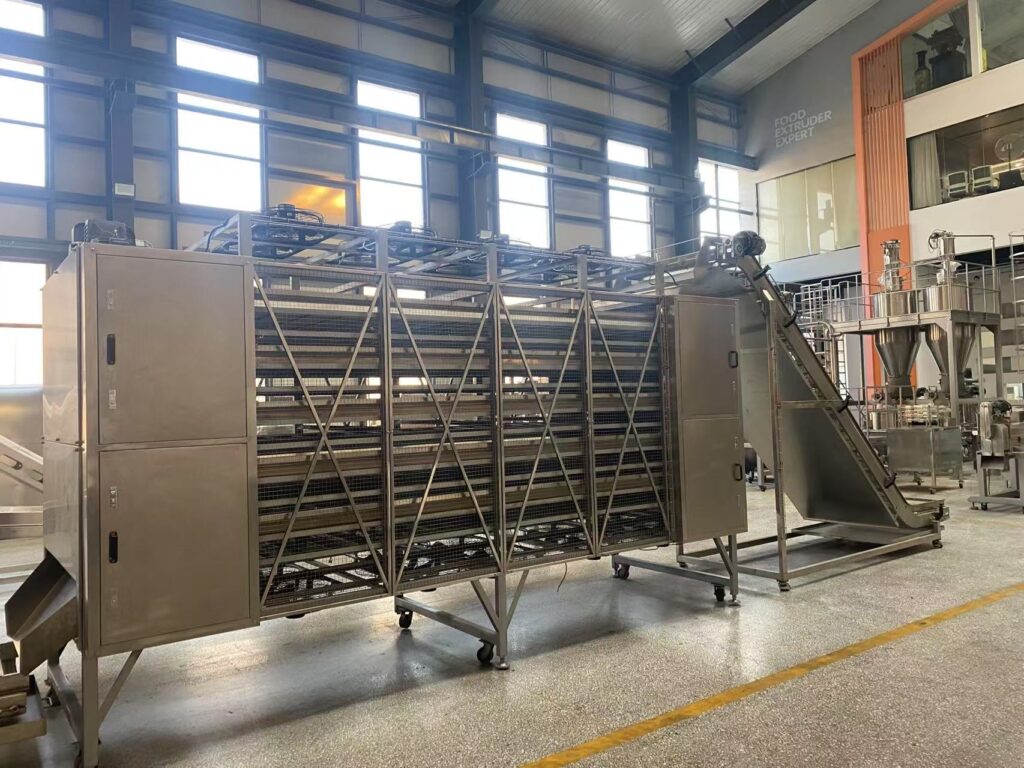
The core of the operation is a machine called a twin-screw food extruder. The mixture of rice flour, water, oil, and synthetic vitamins is fed into this extruder, where it is subjected to high pressure and high temperature to cook and shape the dough. The machine forces the paste through a die, cutting it into pieces that resemble rice grains. These extruded pellets are then dried, cooled, and polished to give them a glossy finish that mimics the appearance of natural rice. The final product is known as a “fortified rice kernel” (FRK).
These factory-made kernels are then blended with natural rice at a ratio of approximately 1:100—one kilogram of FRKs to every 100 kilograms of regular rice. The result is what is sold and distributed as “fortified rice.”
The Exposé: Why This Process Is Deeply Flawed
The reality of this manufacturing process reveals several critical problems that undermine its stated goals and raise serious concerns about its safety and efficacy.
1. A “Techno-Fix” with Unstable Nutrition: The entire premise of fortified rice is that it delivers stable, essential nutrients. However, a study by the Indian Institute of Technology, Kharagpur, which led to the temporary suspension of India’s massive fortification scheme, found that the micronutrient levels in these kernels degrade significantly over time. Because rice is often stored in government warehouses for two to three years, the added nutrients—which are the entire justification for the process—simply disappear before the rice ever reaches the consumer. This makes the entire industrial process an expensive and ineffective exercise.
2. An Artificial Product Disguised as Food: The extrusion process fundamentally destroys the natural starch structure of the rice. The resulting product is not rice but a reconstituted, artificial food item. Its texture and taste are notably different from traditional rice, and its appearance is so artificial that consumers have frequently mistaken it for plastic. This has led to widespread public distrust and panic, as people cannot tell if what they are eating is real food or an industrial byproduct.

3. A Safety Risk for Vulnerable Populations: The one-size-fits-all approach of adding high levels of iron to the diet of an entire population is not only simplistic but dangerous. India, for instance, has the world’s largest number of thalassemia cases and the second-highest burden of sickle cell disease. For individuals with these conditions, excess iron from fortified rice can be severely harmful. The government’s solution—to print warnings on large gunny bags in English—is practically useless, as the rice is distributed without these warnings and the warning labels are inaccessible to the mostly poor, non-English-speaking beneficiaries.
4. A Corporate-Driven Agenda, Not a Public Health Solution: The push for rice fortification is not driven by public health experts but by powerful corporate interests. Entities funded by large foundations have been accused of lobbying for these schemes. The technology for extrusion is often imported at high costs, creating a permanent dependence on foreign corporations and their expensive machinery. Critics have rightly pointed out that this is a technological solution to a problem—malnutrition—that is caused by structural issues like poverty and lack of access to a diverse diet.
The Bottom Line
The manufacturing process of fortified rice is not a benign act of nutritional enhancement. It is an industrial procedure that creates an artificial, unstable, and potentially harmful product, all while enriching corporations at the expense of public health. The recent suspension of major fortification programs serves as a clear admission that this approach has failed. Rather than relying on such deceptive techno-fixes, the focus must shift to genuine solutions: ensuring access to a diverse and balanced diet, supporting traditional, nutrient-rich rice varieties, and addressing the root causes of poverty and malnutrition.
 German
  English
  Russian
  Spanish
  Italian
  Arabic
  Portuguese
  French
  Japanese
  Moroccan Arabic
  Persian
  Belarusian